Siem Reap is not short of things to do. The hard part is working out what’s actually worth your time, especially if you’re only there for a short trip.
After spending 48 hours in Siem Reap, this guide is my honest take on what I would prioritise in Siem Reap, what I’d do again, and what I would save for a longer trip.
This post contains ads and affiliate links, which help cover the running costs of this blog at no extra cost to you. I only recommend things I would genuinely consider useful.
What I’d prioritise first in Siem Reap, Cambodia
If it’s your first time in Siem Reap, I would start by deciding how much time you want to give to Angkor, not just Angkor Wat.
Angkor Wat is only one part of the wider Angkor Archaeological Park. Your ticket also covers temples such as Ta Prohm, Bayon, Angkor Thom and Banteay Kdei, so you should decide whether you want a single temple day or more time across the complex. There are 1-day, 3-day and 7-day passes available.
Once you know how much time you want to give to Angkor, the rest of Siem Reap is much easier to plan.
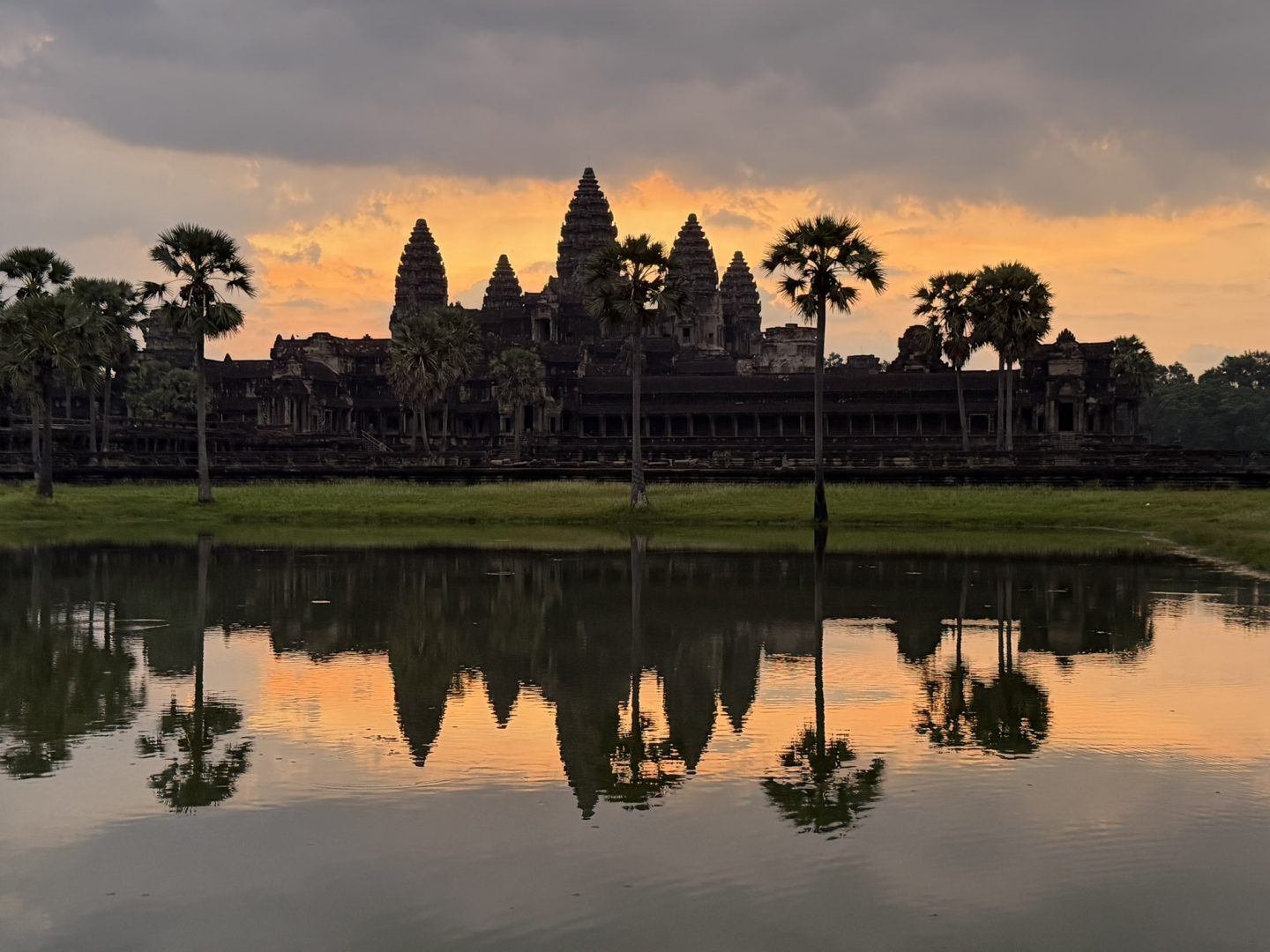
1. Visit Angkor Wat and the main Angkor temples
You can visit Angkor independently, but if you’re short on time, a guided tour makes the day much easier.
This is the Angkor Wat sunrise tour we booked. For a short trip, I think this is where it’s worth paying for convenience. We paid around £12 each, excluding the temple ticket and lunch, and it covered hotel pick-up and drop-off, ticket stop, transport between temples, unlimited water, and an official guide. I thought it was worth it for the amount of time and effort it saved.
If you’re trying to make the most of a 1-day Angkor pass, officially you can buy a ticket after 4:45pm for the following day, enter the park that same evening for sunset and still use the ticket for the next day’s full validity. However, it may also be possible to watch sunset from outside the temple after closing, although you would not be allowed inside the temple itself. I would check the current rule before relying on it, but it’s useful to know if you’re budget-conscious or deciding how much temple time to pay for.
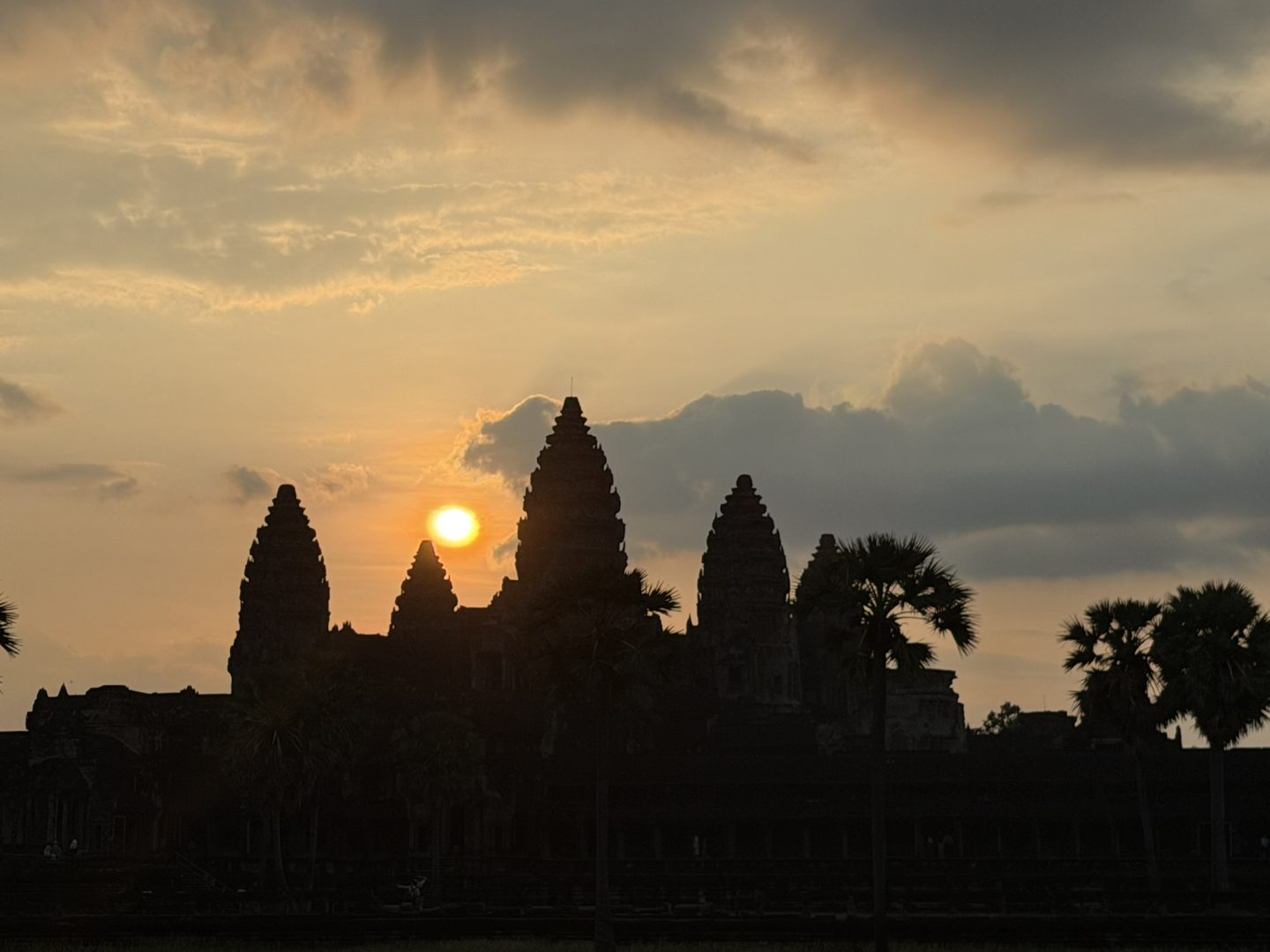
Our tour covered Angkor Wat, Ta Prohm, Bayon and Banteay Kdei.
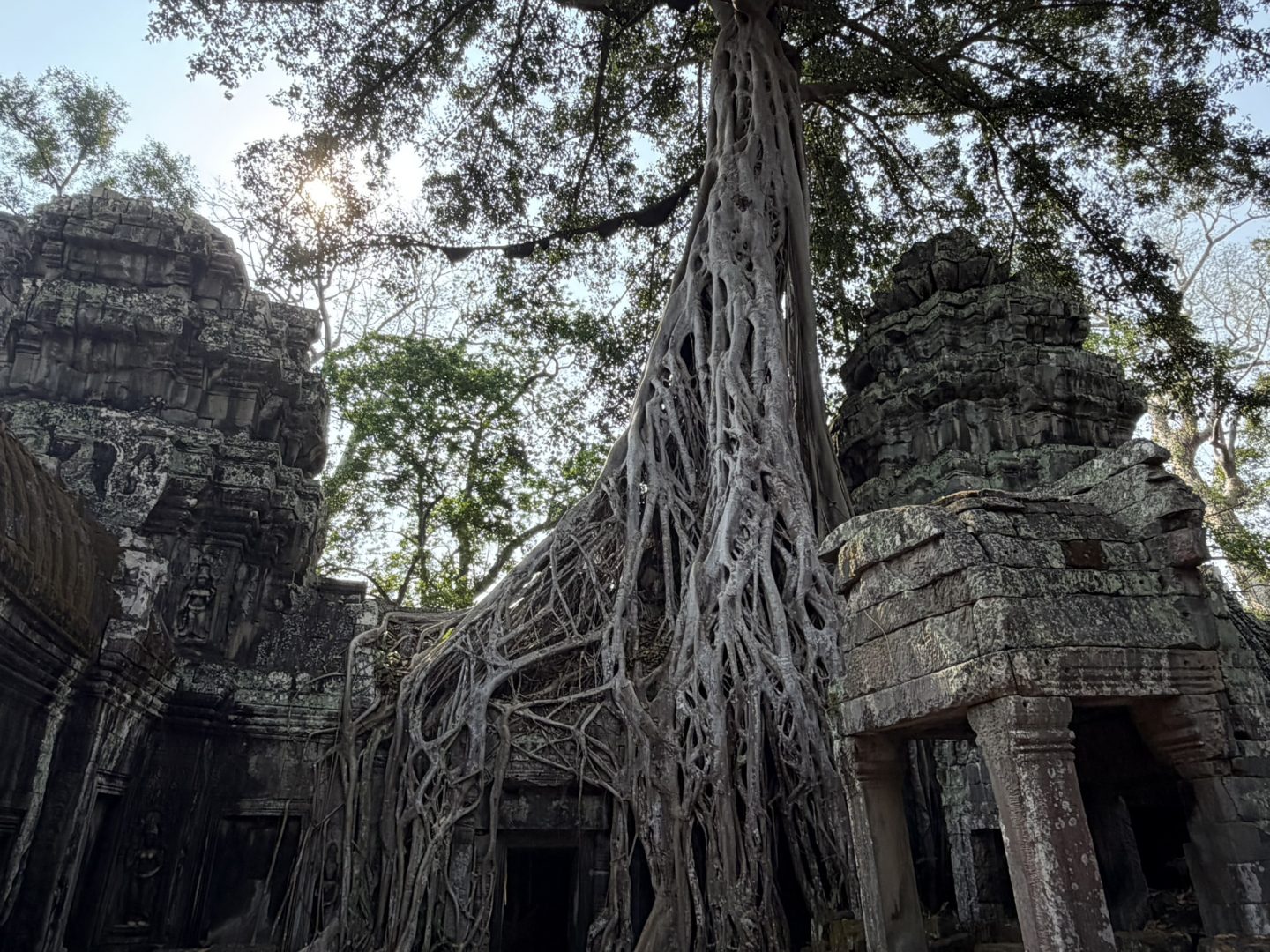
Ta Prohm was one of the most atmospheric temples we visited. It is best known for its Tomb Raider connection, but the appeal is really the way the jungle has grown into the ruins, with tree roots wrapped around stone walls, doorways and courtyards. We visited directly after Angkor Wat, before breakfast, which made a big difference because it was much quieter than it would have been later in the morning.
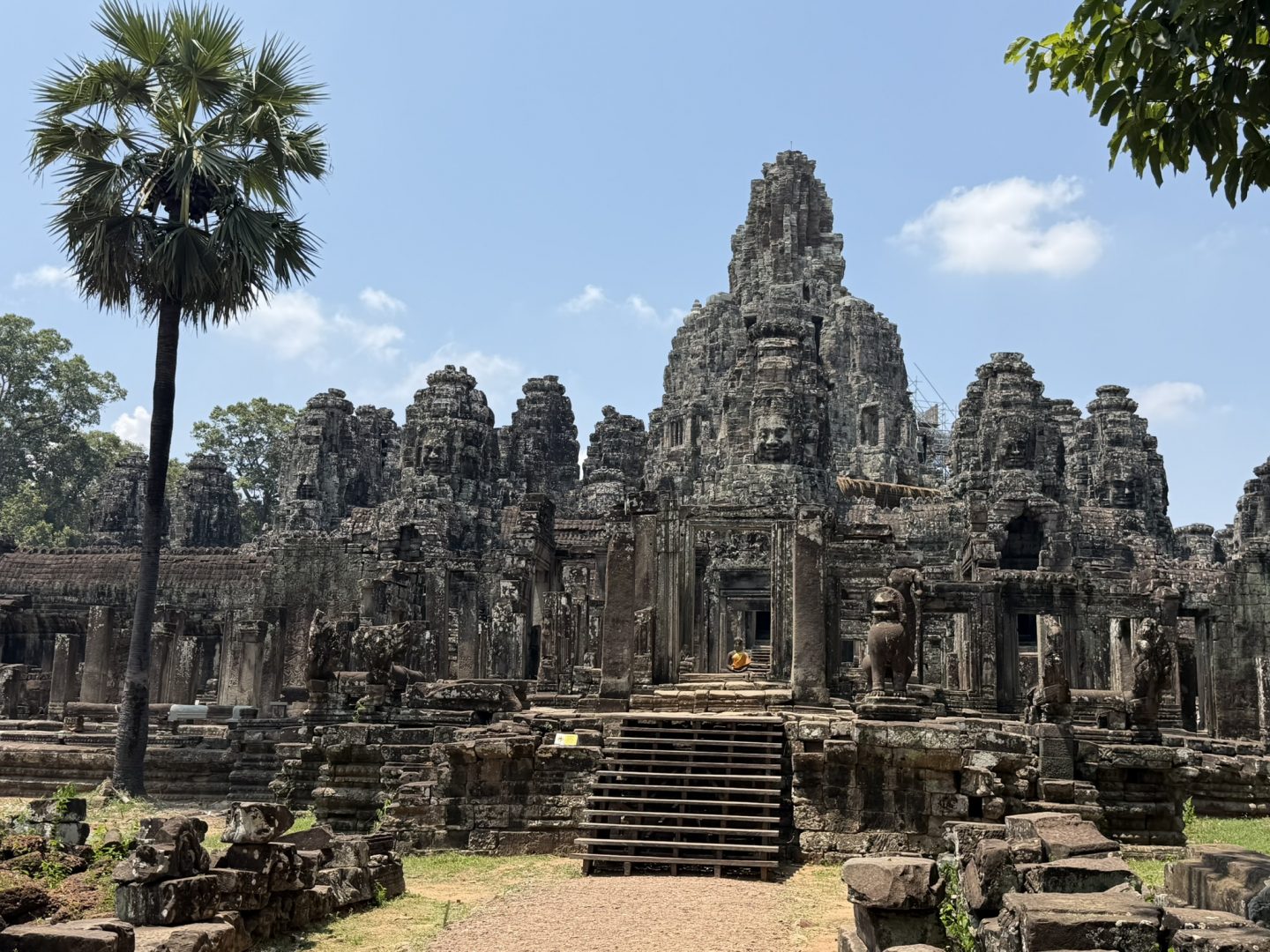
Bayon was my favourite temple of the four we visited. It sits within Angkor Thom and is known for its carved stone faces. This was also where I appreciated having a guide, because there is a lot of religious and historical context I wouldn’t have understood properly by walking around on my own.
For more detail on the timings, route and whether I think the tour was worth it, read my full Angkor Wat sunrise tour review.
2. Eat Khmer food
Make time for Khmer food rather than defaulting to whatever is easiest around Pub Street.
Khmer food is often fragrant rather than fiery, with lots of lemongrass, garlic, galangal, turmeric, coconut, fresh herbs, fish sauce and Kampot pepper. You can also see French and Vietnamese influences in Cambodia, from baguettes and coffee to noodle soups, rice dishes and grilled meats.
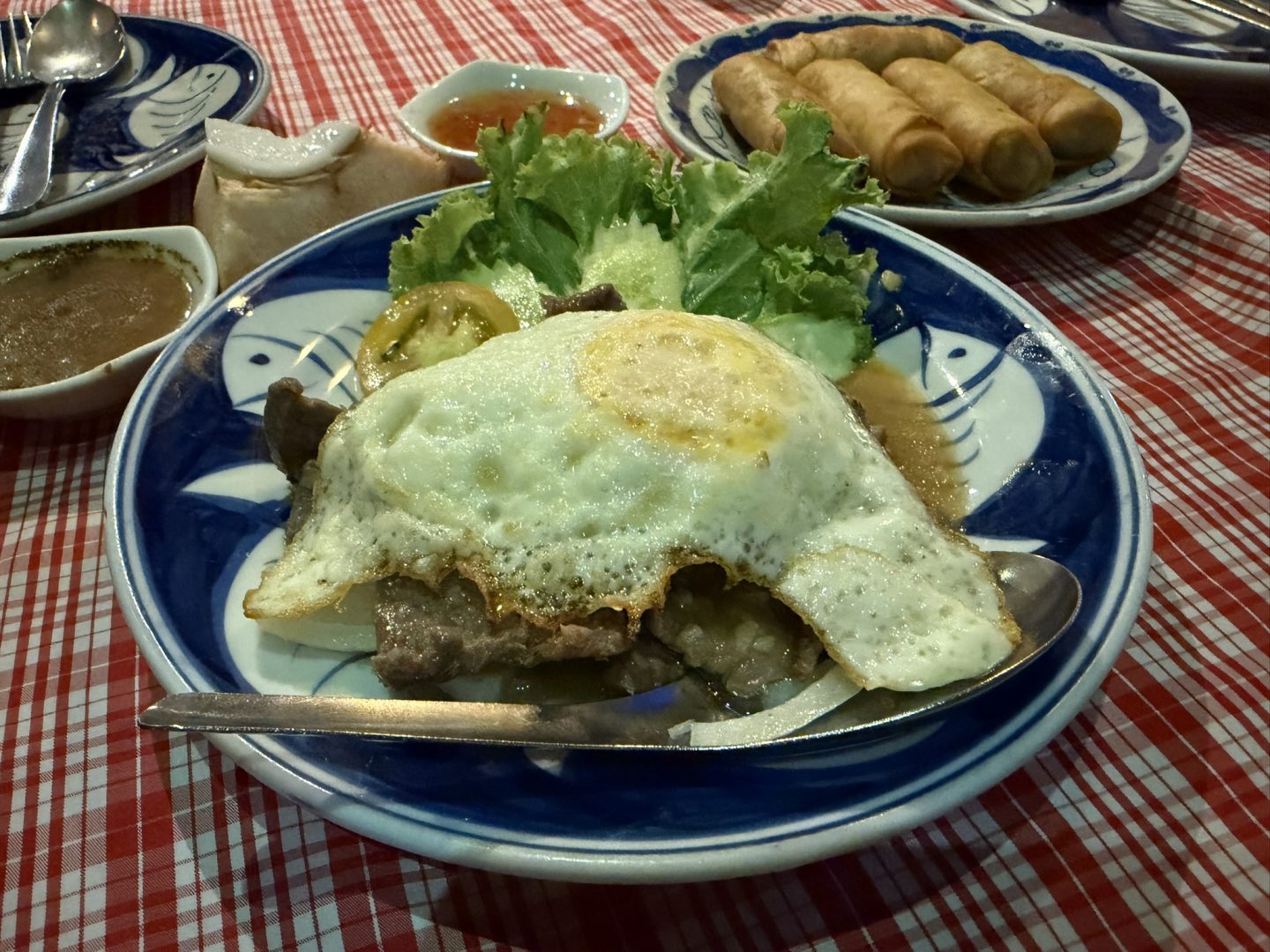
A few dishes to look out for are fish amok, a steamed coconut fish curry; beef lok lak, usually served with rice, egg and a peppery lime dipping sauce; Khmer curry, which is milder and often sweeter than Thai curry; num banh chok, rice noodles often eaten for breakfast; and bai sach chrouk, grilled pork with rice.
We ate at Khmer Kitchen Restaurant, which was an easy central option, and also tried Yi Nget BBQ Beef Sticks, and Wild Spring Rolls.
I’d make sure at least one proper Khmer meal is part of your trip.
3. Visit the markets and look for Cambodian-made souvenirs
Psar Chaa, also known as the Old Market, is the easiest market to visit if you’re staying centrally. It’s close to Pub Street and has the usual mix of souvenirs, spices, clothes, food and market stalls. It’s touristy, but it is still worth a quick wander if you want somewhere easy to browse.
I preferred Made in Cambodia Market as it focuses more on Cambodian-made products, local craft and independent sellers.
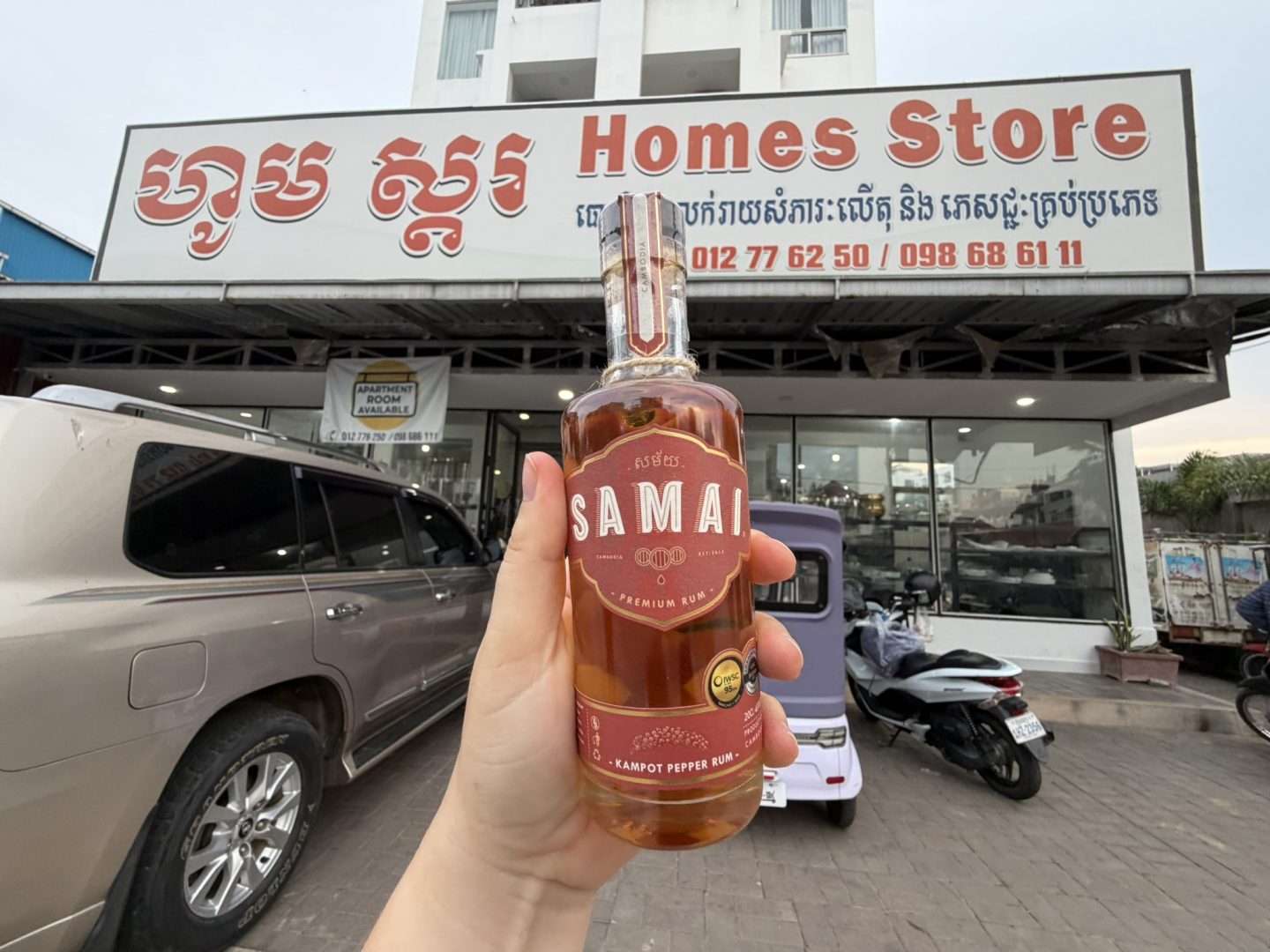
The best thing I bought in Siem Reap was Kampot pepper. It’s regarded as one of the finest peppers in the world, with international recognition and a Protected Geographical Indication. Genuine Kampot pepper has to come from the recognised production area and meet specific standards, so check the packaging for certification rather than buying loose pepper from a tourist stall and assuming it’s the real thing.
We visited Khla Kampot Pepper and Tea, which sells certified black, red and white Kampot pepper, as well as salts and teas. We also stopped at Home Store, which is one of the only places in Siem Reap to sell Samai Kampot Pepper Rum.
4. Choose a cultural show: Phare or Apsara dance
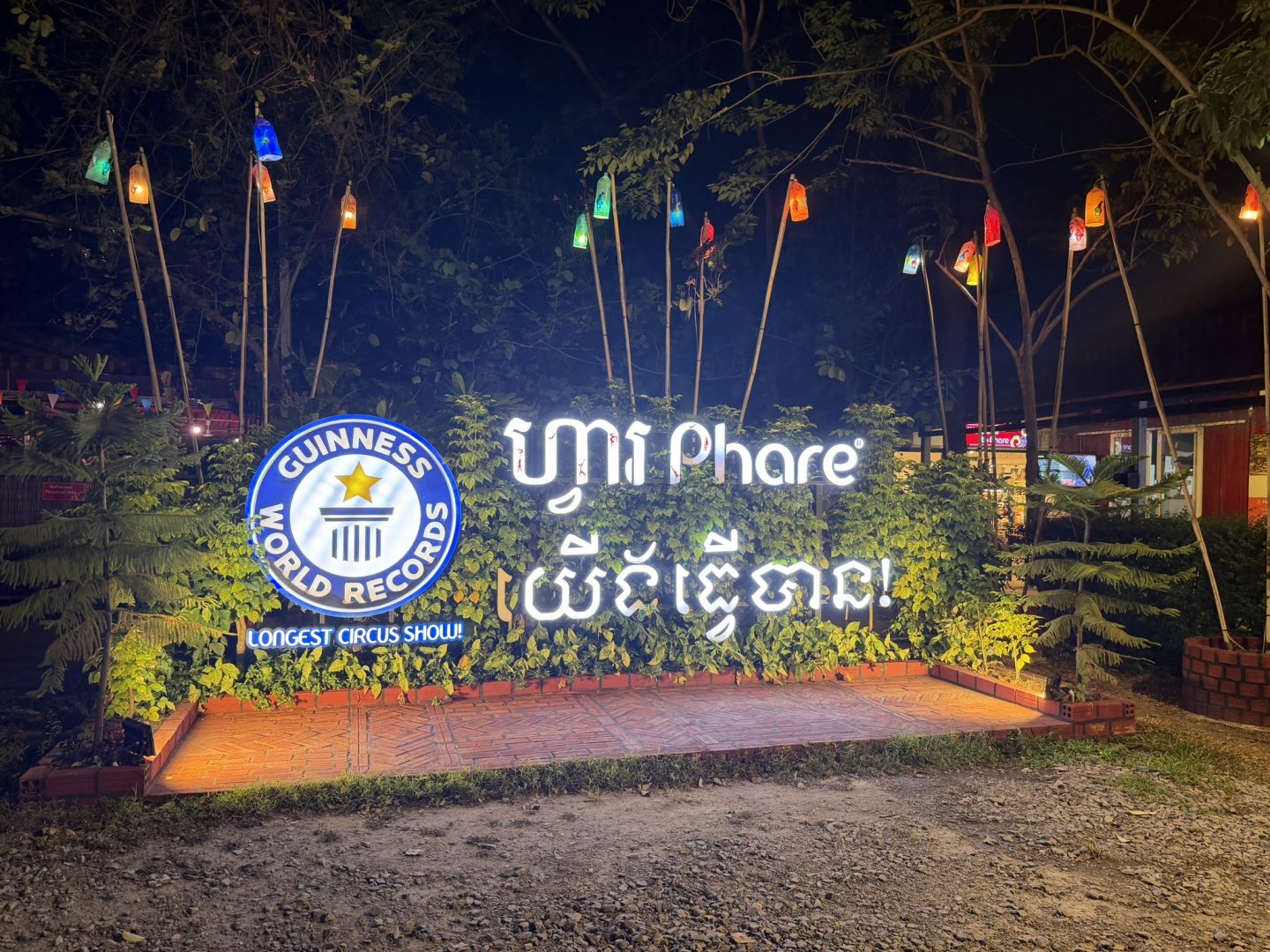
If you want to add one cultural performance to your Siem Reap trip, the main choice is between Phare, the Cambodian Circus and an Apsara dance show.
Phare is the more contemporary option. It combines acrobatics, theatre, music and storytelling, with performances shaped around Cambodian experiences. It’s not a circus with animals, and it feels more like a high-energy stage show than a traditional performance.
Apsara dance is the more traditional option. It’s a form of classical Khmer dance, usually performed with ornate costumes, slow controlled movements and precise hand gestures. In Siem Reap, it’s often offered as a dinner show.
I’d choose Phare if you want something energetic, theatrical and different from a standard dinner show. I’d choose Apsara if you want something more traditional and rooted in classical Khmer culture.
5. Walk through Pub Street, and get a massage
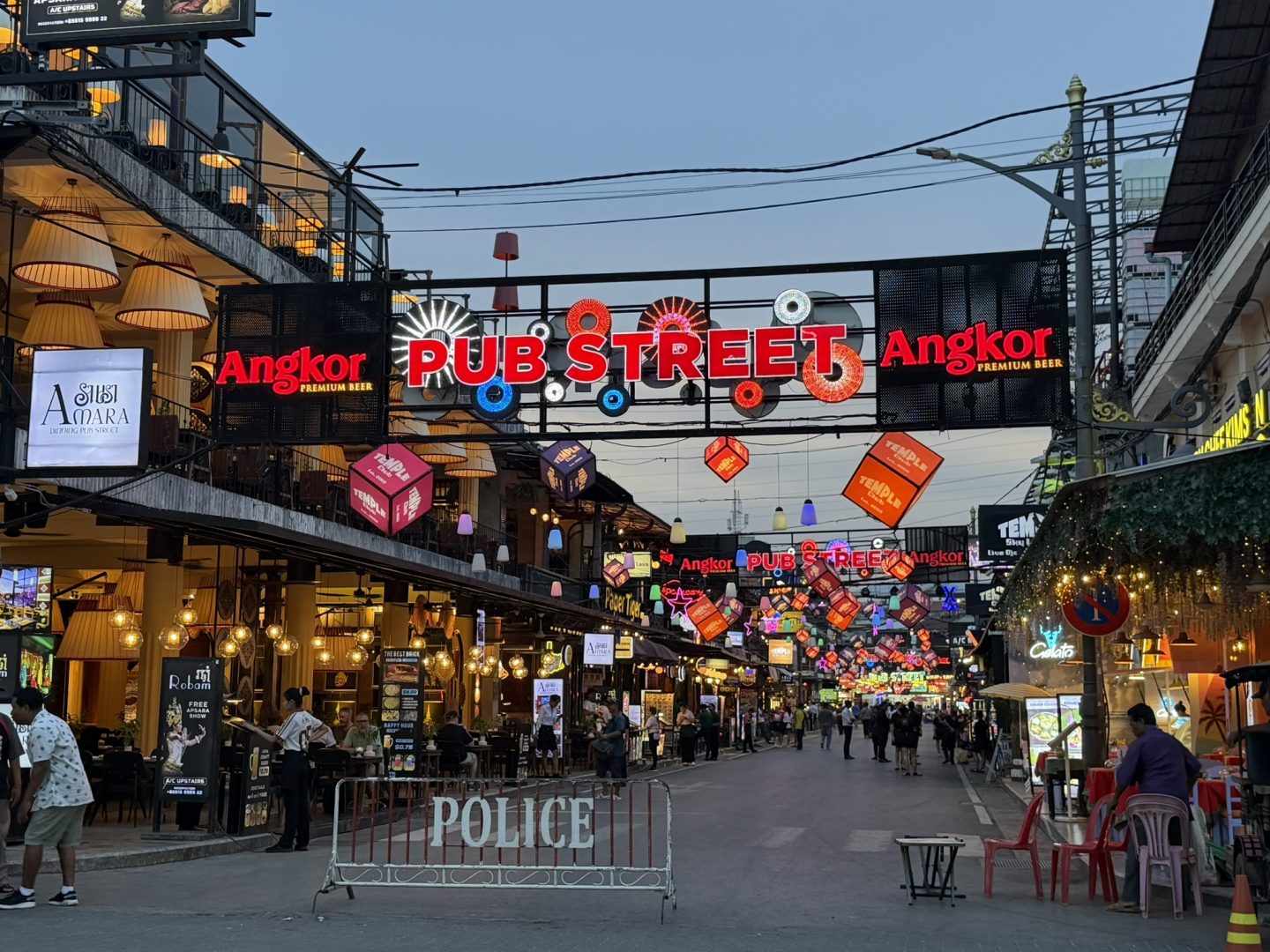
Pub Street is Siem Reap’s main tourist nightlife strip. It’s full of bars, restaurants, street food, massage places and music, and it gets busiest at night when the road is closed to traffic. It’s touristy and loud, but it’s still worth stopping by for a quick drink, an easy meal or just seeing the busiest part of Siem Reap at night.
After an early Angkor start, I’d also make time for a massage to recover after hours of walking around temples in the heat.
Things I’d add with more time in Siem Reap
If I had another day in Siem Reap, I’d have chosen one or two things that give a different view of Cambodia.
Angkor National Museum would make sense either before or after visiting Angkor if you want more context around Khmer history, religion, kings and the Angkor period,.
APOPO Visitor Centre focuses on the HeroRATs trained to detect landmines and unexploded ordnance, so it gives more context to Cambodia’s recent history and the impact landmines still have today.
Lotus Silk Farm was one of the places I wish we’d had time for. It offers guided tours and workshops showing how lotus fibres are turned into textiles, which feels like a good option if you’re interested in craft, production and Cambodian-made products.
The Living Arts Village by Artisans Angkor is a craft-focused space where you can see traditional Cambodian skills such as silk weaving, stone carving, wood carving, lacquerware and painting. It’s a good option if you want more context behind the kinds of handmade products you’ll see in Siem Reap, rather than only buying them at a market.
Tonlé Sap is the huge freshwater lake south of Siem Reap, and Kampong Phluk is one of the floating village communities people visit from the city to see how life changes around the lake. In the wetter months, it’s more water-based and usually boat-focused, while in the drier months lower water levels may mean parts of the village are accessible on foot rather than only by boat.
Phnom Bakheng is said to be one of the best places to watch the sunset in Siem Reap because you can see towards Angkor Wat from above, but numbers are limited to around 300 visitors. Arrive early if you want a spot.
What I would do differently next time
The main thing I’d do differently is stay longer. I’m glad we went to Siem Reap, and 48 hours was enough to see Angkor Wat and get a feel for the city, but it did feel tight.
I’d still book a guided Angkor tour, because it made the temple day much easier. I’d still prioritise Angkor Wat, Ta Prohm and Bayon. But I’d add at least one more day for either Angkor National Museum, APOPO Visitor Centre, Lotus Silk Farm or Tonlé Sap.
For a first visit, I’d say two days is enough if you’re mainly going for Angkor, but three days would be better.
Frequently asked questions about visiting Siem Reap
Is Siem Reap worth visiting?
Yes, Siem Reap is worth visiting, especially if you want to see Angkor Wat and the wider Angkor Archaeological Park. Even a short visit can be worthwhile, but I’d be selective rather than trying to fit everything in.
Is 48 hours enough in Siem Reap?
Yes, 48 hours is enough to see Angkor and get a feel for Siem Reap, but it’s tight. I’d use one day for the main Angkor temples, then keep the rest simple with Khmer food, markets, a cultural show, Pub Street or a massage.
How many days do you need in Siem Reap?
I’d recommend three days in Siem Reap if you can. Two days works if your main focus is Angkor, while three days gives you more time for museums, Tonlé Sap, craft workshops or a slower pace.
What should you not miss in Siem Reap?
For a short first visit, I wouldn’t miss Angkor Wat, Ta Prohm, Bayon, Khmer food, Made in Cambodia Market and one cultural show such as Phare or Apsara dance.
Do you need a tour for Angkor?
No, you don’t need a tour, but I was glad we booked one. If you’re short on time, a guided Angkor tour can make the day easier because transport, timings, the route are handled.
Where should you stay in Siem Reap for a short trip?
I’d stay somewhere central or convenient for tour pick-up, restaurants and markets. I wouldn’t prioritise somewhere remote if you only have limited time. We stayed at The Jungle, which worked well for a short stay. We booked through Booking.com, although the hotel told us it can be cheaper to book direct, so I’d compare both before booking.
What should you book in advance for Siem Reap?
I’d book anything you’d be annoyed to miss: your Angkor tour, hotel and any cultural show you definitely want to see. I’d also sort mobile data before you arrive if you’ll be using Grab, maps or WhatsApp to arrange transport.

