Borneo, the third largest island in the world, is split between Malaysia, Indonesia and Brunei, with Malaysian Borneo located in the states of Sabah and Sarawak. Its ancient rainforest is one of the oldest continuously existing rainforests on Earth, estimated to be over 100 million years old and is best known for its biodiversity.
Compared to places like Kuala Lumpur, Melaka and Penang, Borneo offers a completely different side of Malaysia, particularly the chance to see wildlife in a more natural setting, including orangutans, pygmy elephants and proboscis monkeys, often referred to as part of the “Borneo Big 5”.
If you’re planning a wider trip through Malaysia, this Malaysia travel guide explains how to structure your route and when it is worth adding Borneo as a separate leg.
We based ourselves around Sandakan and Sepilok, which are some of the best places to experience this side of Borneo. This is also one of the most common routes for a wildlife focused trip, combining Sepilok with the Kinabatangan River.
Getting to Borneo
Most people visit Malaysian Borneo via Sabah, with flights from Kuala Lumpur to either Kota Kinabalu or Sandakan. If your main focus is wildlife, it makes more sense to fly directly into Sandakan, which is the closest gateway to Sepilok and the Kinabatangan River. Flights take around two hours and are usually the most efficient option. From Sandakan Airport, Sepilok is only around 20 minutes by car, making it an easy base for visiting the main wildlife centres.
Where to stay: Sandakan or Sepilok?
Sepilok is the most convenient place to stay if you are visiting the orangutan and sun bear centres. Accommodation is more limited, but locations are within walking distance or a short drive from the main sites. Sandakan is a larger town with more accommodation options, but you will need to factor in travel time each day. It works better if you are combining multiple areas or prefer a wider choice of hotels.
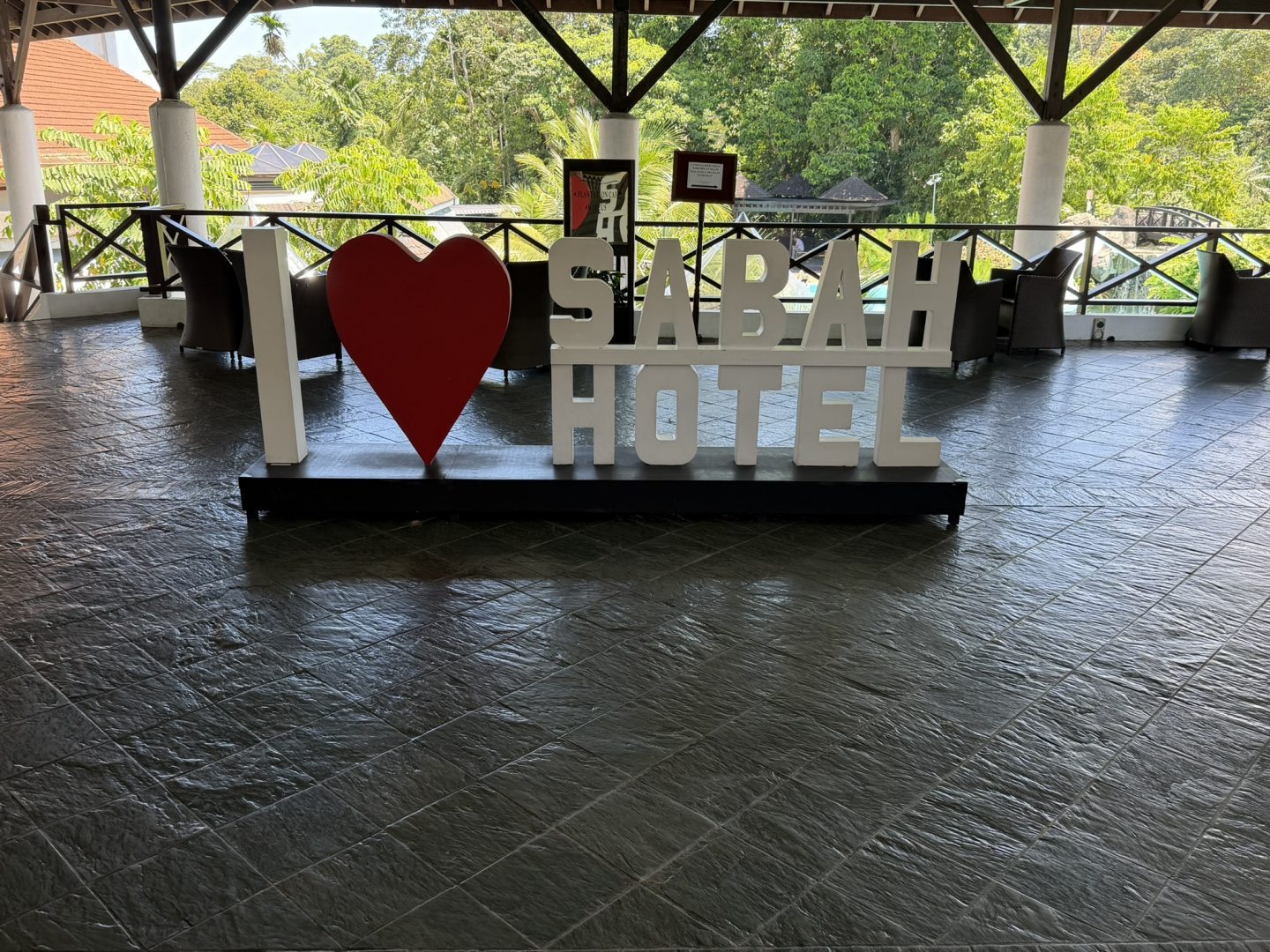
We spent two nights at Sabah Hotel in Sandakan before our 3 day 2 night Kinabatangan River tour, where we were also picked up directly.
Cost of Visiting Borneo (Sabah)
Borneo is often perceived as more expensive than other parts of Malaysia, particularly if you are including a river tour. That said, it can still be reasonable depending on how you structure your trip.
Flights from Kuala Lumpur to Sandakan with AirAsia cost £56.45 per person, including cabin baggage. We spent two nights at Sabah Hotel in Sandakan, which came to £82.40 per person based on two people sharing.
The biggest cost was the 3D2N Kinabatangan River tour, which cost £164.50 per person. This typically includes accommodation, meals and guided river cruises, so it covers a large part of your time in Borneo.
Sepilok: Orangutans, Sun Bears & Wildlife
Sepilok is one of the main reasons people visit Borneo and is usually the first stop before heading to the Kinabatangan River, making it an easy addition to the same trip. In most cases, one full day is enough to cover the main sites. A typical day in Sepilok can be structured around the feeding times at the orangutan centre:
- 09:30: Arrive at Sepilok Orangutan Rehabilitation Centre
- 10:00: Morning feeding
- Late morning: Bornean Sun Bear Conservation Centre
- Lunch: Whitehouse Café nearby
- Afternoon: Rainforest Discovery Centre
- 15:00: Afternoon orangutan feeding
- 15:30: Labuk Bay Proboscis Monkey Sanctuary
Sepilok Orangutan Rehabilitation Centre
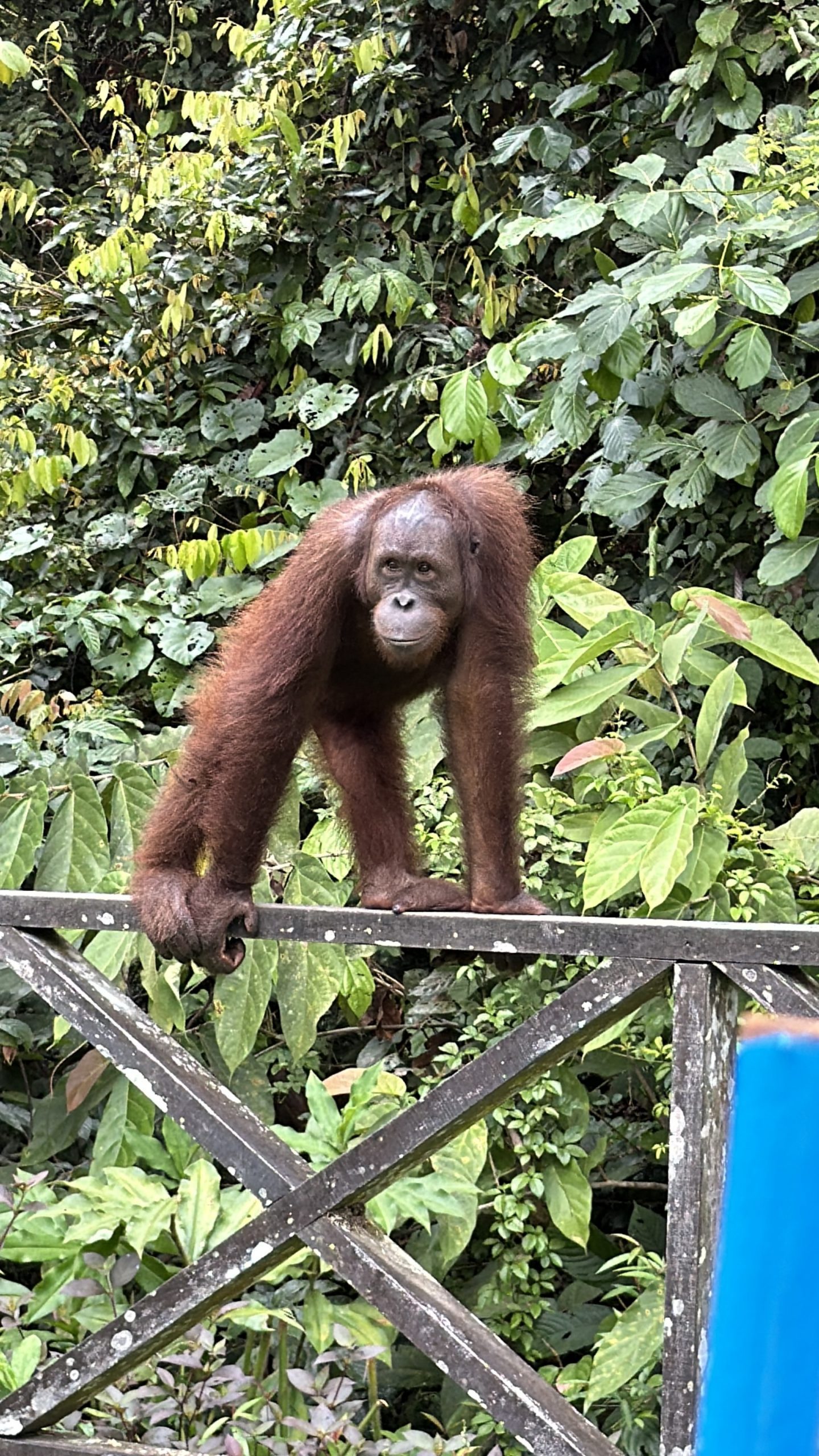
The Sepilok Orangutan Rehabilitation Centre is one of the most well known places in Borneo to see orangutans. The centre focuses on rescuing and rehabilitating orphaned orangutans before releasing them back into the wild. There are set feeding times during the day, which is when you are most likely to see them. That said, sightings are never guaranteed, as the orangutans are free to come and go, which is part of what makes the experience feel more natural.
Entry costs around 30 MYR for international visitors, paid in cash only.
Feeding times are typically at 10am and 3pm. There is also a nursery viewing area with separate sessions at 9:30am and 2:30pm. It is worth arriving early, as viewing platforms can fill up quickly. The ticket cost covers both as the centre often closes between sessions. You will need to use the free lockers on-site, and there is an additional 10 MYR cost for cameras such as the Osmo pocket, but does not include mobile phone cameras.
Bornean Sun Bear Conservation Centre
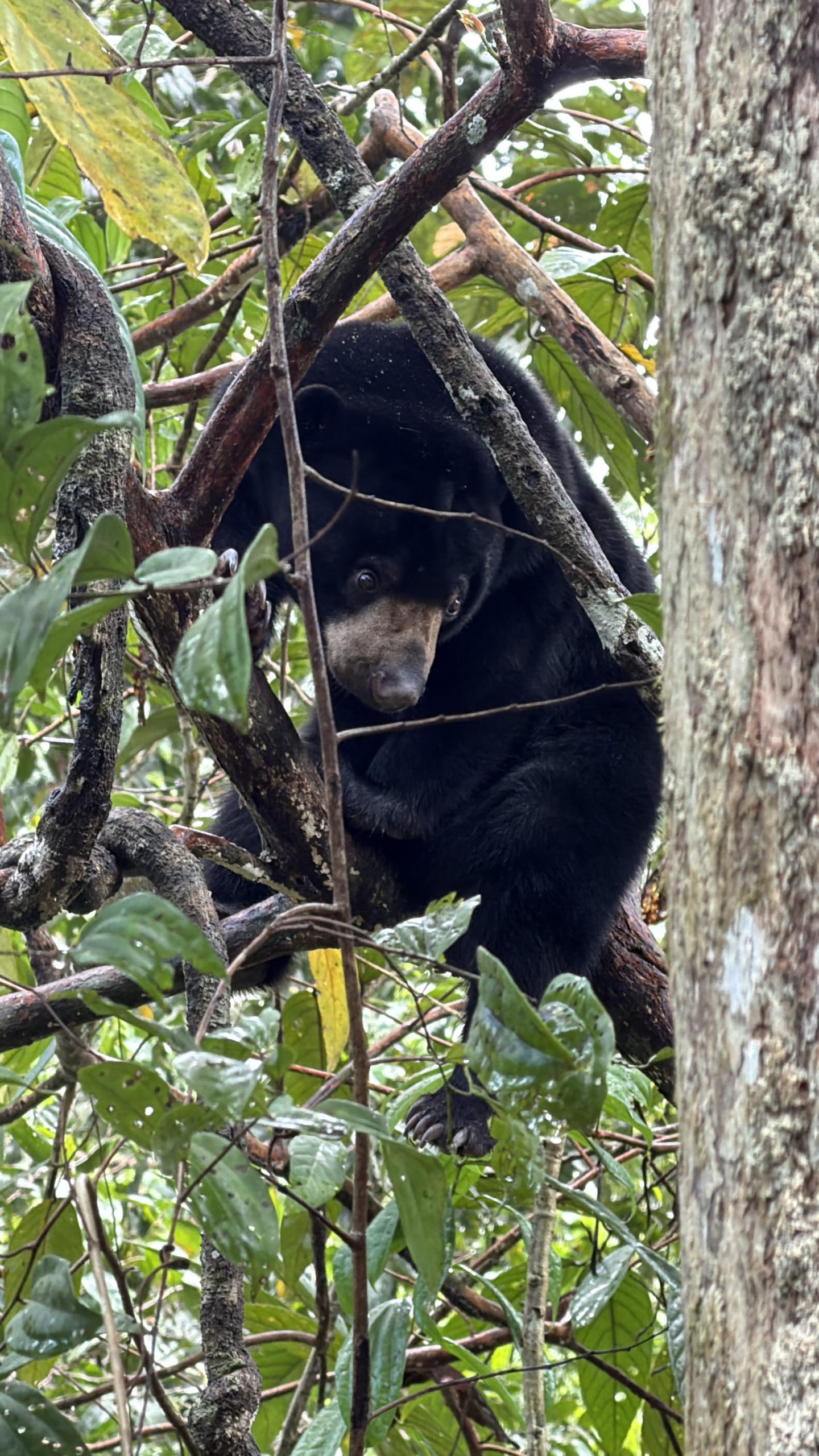
Located just next door, the Bornean Sun Bear Conservation Centre is an easy addition and well worth visiting. Sun bears are the smallest species of bear in the world and are native to Southeast Asia. The centre focuses on rescue and rehabilitation, with viewing platforms overlooking forest enclosures that allow you to observe them in a more natural environment. Entry is around 50 MYR for international visitors and opening hours generally run from 9am to 3:30pm. It’s easy to combine with the orangutan centre as they are located next to each other.
Rainforest Discovery Centre
The Rainforest Discovery Centre is located around 20 minutes from Sepilok and is worth including if you have time in the afternoon. It offers a network of walking trails and elevated canopy walkways through the rainforest, allowing you to experience the forest from above as well as at ground level. It is also one of the better places in the area for spotting birdlife. You can realistically spend around 1 to 2 hours here, depending on how much of the trails and canopy walkways you want to cover.
Entry is around 30 MYR for international visitors paid in cash, as card payments are not always available.
Labuk Bay Proboscis Monkey Sanctuary
Recommended by our Grab driver that same morning, we added on the Labuk Bay Proboscis Monkey Sanctuary afterwards. Located around 30 minutes from Sepilok in Labuk Bay, it sits within a private palm oil plantation. Due to the location, Grab taxis are less reliable, so we arranged this directly with our driver, who also acted as a guide and organised everything via WhatsApp. The cost was 180 MYR in cash, which included the journey there and the return to our hotel.
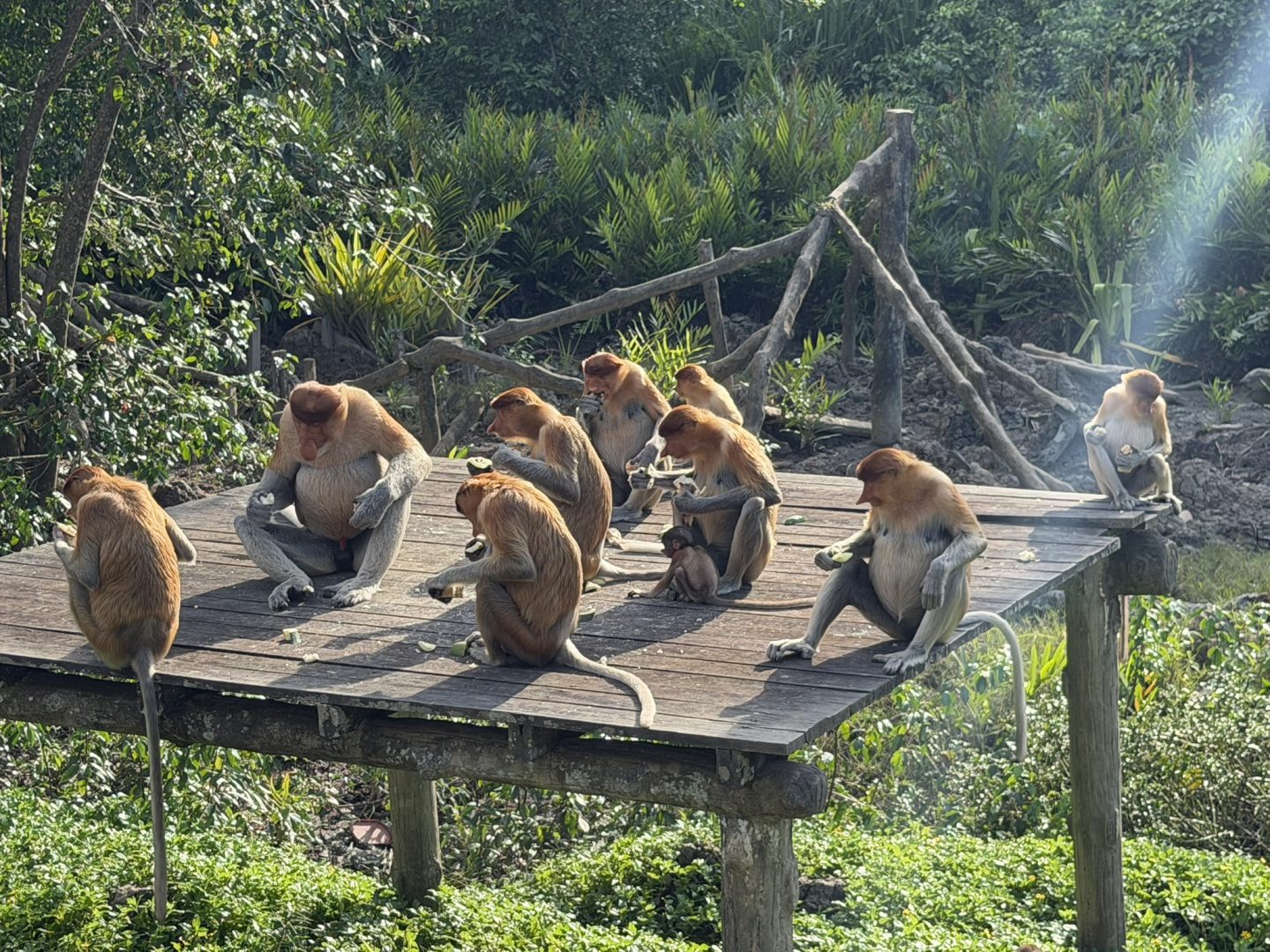
There are two main viewing areas, Platform A and Platform B, each with different feeding times. Our driver recommended Platform B, as it typically has more frequent sightings and worked better with our itinerary after the afternoon orangutan feeding. Entry is paid separately by card or cash on arrival (around 60 MYR), with an additional 10 MYR camera fee.
I would highly recommend this, it was a real treat to see the monkeys up close, much closer than we were able to observe from the Kinabatangan River. We arranged this through the same Grab driver mentioned above, who helped organise the visit on the day. I’ve included his details below if you are looking for something similar.

Kinabatangan River
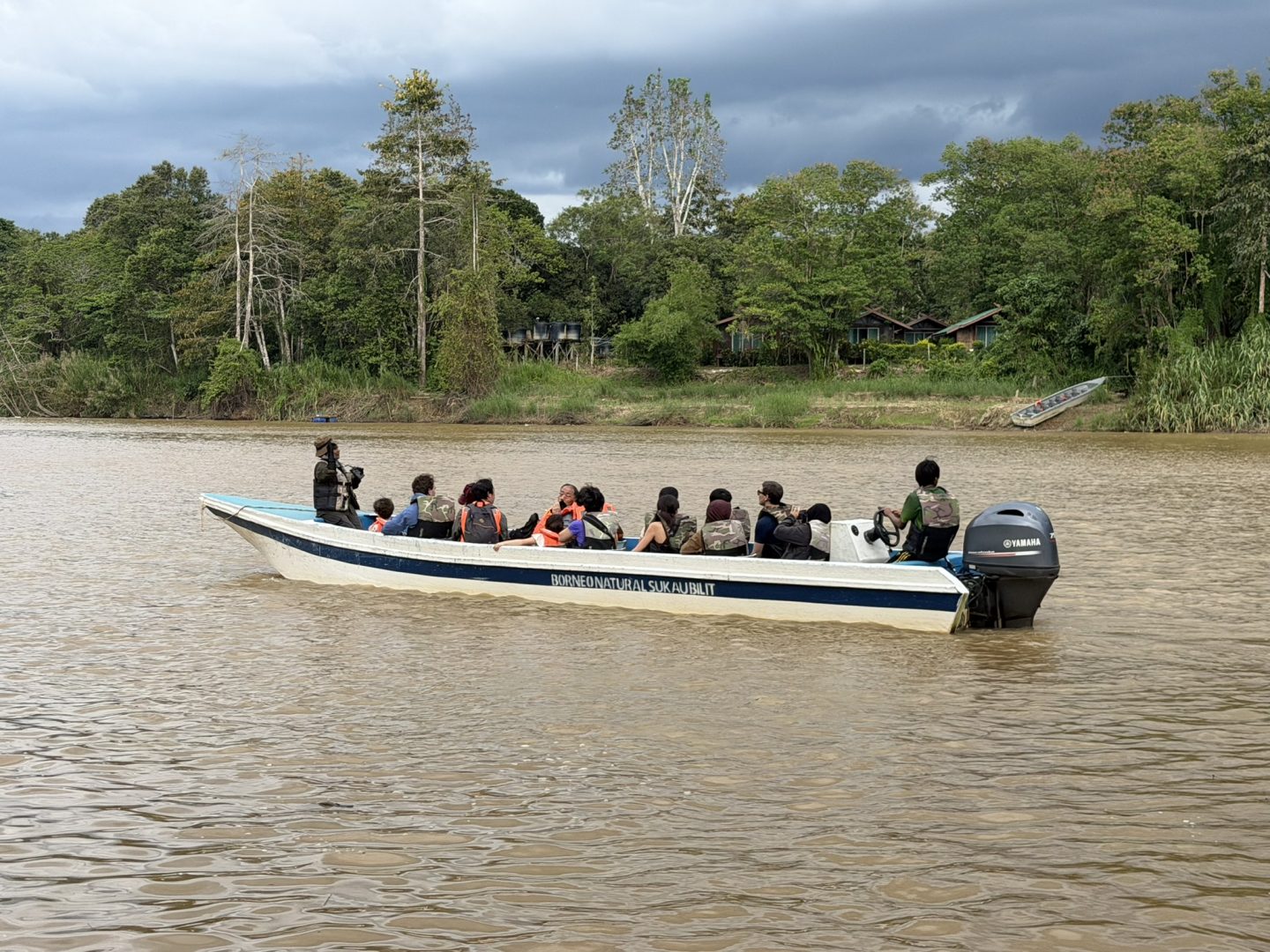
If you are visiting Borneo for wildlife, the Kinabatangan River is one of the highlights. This is where you are most likely to see animals in their natural habitat, including orangutans, proboscis monkeys, saltwater crocodiles and, if you are lucky, pygmy elephants. Most visits are organised as part of a multi day tour, with early morning and late afternoon river cruises when wildlife activity is at its highest. Wildlife sightings are never guaranteed, but these times offer the best chances.
Most visitors include a 3 day 2 night Kinabatangan River tour as part of their itinerary, which is where you are most likely to see wildlife in its natural habitat. I’ve broken down exactly what the experience is like, what we saw and how the tour is structured here.
Other places to consider in Borneo
If you have more time, there are a few other places in Sabah that are often included as part of a wider trip.
Kota Kinabalu is the main city in Sabah and is typically used as a base for visiting nearby islands and Mount Kinabalu. It offers a different experience to Sandakan, with more of a mix between city, coastline and day trips.
Semporna is best known as a base for diving, particularly around Sipadan Island, which is considered one of the best dive sites in the world. It is more suited to a diving focused trip rather than wildlife.
We didn’t include either in our itinerary, as our focus was on wildlife around Sandakan, Sepilok and the Kinabatangan River, but both are worth considering depending on how you want to structure your time in Borneo.
Frequently Asked Questions about Borneo
Is Borneo worth visiting?
Borneo is worth visiting if you are interested in wildlife and nature. It offers a completely different experience to the rest of Malaysia, with opportunities to see orangutans, proboscis monkeys and other wildlife in more natural settings.
Where is the best place to see orangutans in Borneo?
Sepilok Orangutan Rehabilitation Centre in Sabah is one of the most accessible places to see orangutans in Borneo. For sightings in the wild, areas along the Kinabatangan River offer a better chance, although nothing is guaranteed.
How do you get to Borneo from Kuala Lumpur?
The easiest way to reach Borneo from Kuala Lumpur is by domestic flight to Sabah, typically either Kota Kinabalu or Sandakan. Flights take around two hours, with Sandakan being the better option for wildlife-focused trips.
How many days do you need in Borneo?
Most travellers spend around 3 to 5 days in Borneo to cover Sepilok and the Kinabatangan River. This allows enough time to visit the main wildlife centres and take part in a river tour.
Is Borneo expensive compared to the rest of Malaysia?
Borneo can be more expensive than places like Kuala Lumpur or Penang, mainly due to the cost of wildlife tours. However, flights, accommodation and food can still be relatively affordable depending on your itinerary.
Is Semporna worth visiting in Borneo?
Semporna is best known as a base for diving, particularly around Sipadan Island, which is considered one of the best dive sites in the world. It is more suited to those planning a diving focused trip, whereas areas like Sandakan and Sepilok are better for wildlife experiences such as orangutans and river safaris.

