Malaysia brings together cities, rainforest, islands and some of the best food in South East Asia, all within a relatively small and easy to travel country. This guide breaks down the main places to visit in Malaysia, how they fit into a realistic route, and which are actually worth prioritising depending on how much time you have.
If you’re starting your trip in the capital, this Kuala Lumpur guide covers where to stay and what to do before heading elsewhere in the country.
This post contains ads and affiliate links, which help cover the running costs of this blog at no extra cost to you.
Why include Malaysia in your South East Asia itinerary
Malaysia is often overlooked in favour of places like Thailand or Vietnam, but it’s one of the easiest countries in South East Asia to travel through while still offering a huge amount of variety.
Within a relatively short distance, you can move between modern cities, historic towns, rainforest and tropical islands, without long travel days or complicated logistics. That makes it especially well suited if you want a balanced trip without constantly being on the move.
What sets Malaysia apart is how easily everything fits together. You can combine destinations like Kuala Lumpur, Penang and the islands into a single, logical route without backtracking, which isn’t always the case elsewhere in the region.
Jump to each destination:
Malaysia Itinerary
Most trips to Malaysia follow a similar route, starting in Kuala Lumpur before either heading south to Melaka or north towards Ipoh and Penang.
From there, you can either continue to the west coast for a beach stop or head to the east coast for islands like Redang, depending on the time of year and what kind of ending you want to your trip. Borneo sits separately and is usually added as a flight at the beginning or end.
This works well because it follows the geography of the country, making it easy to travel without backtracking.
When booking accommodation in Malaysia, it’s worth comparing options across platforms to find the best value.
1 week Malaysia itinerary
If you only have one week, it’s best to keep things simple and avoid trying to cover too much. A focused route of Kuala Lumpur and Penang works well, with an optional short stop in Ipoh along the way.
10 day Malaysia itinerary
With 10 days, you can add in a few extra stops without rushing. A typical route would be Kuala Lumpur, optional Melaka, then heading north through Ipoh to Penang, with the option to finish on the coast or islands depending on the time of year.
2 week Malaysia itinerary
With two weeks, you can cover most of the main destinations at a more comfortable pace, combining Kuala Lumpur, Melaka, Ipoh, Cameron Highlands and Penang, before finishing on the coast or islands. Borneo can also be added as a separate leg if you have the time.
Kuala Lumpur
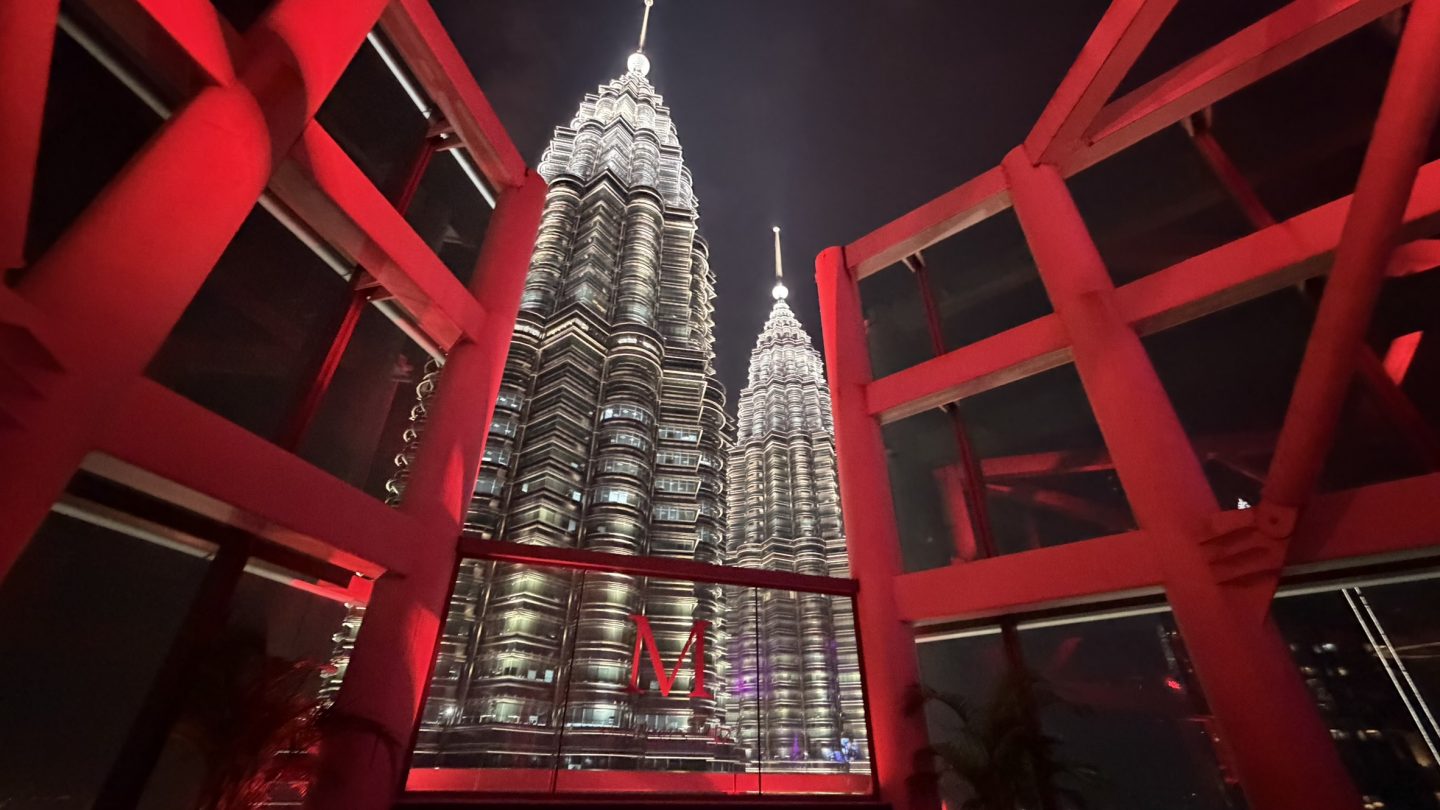
Kuala Lumpur is the capital of Malaysia and the starting point for most trips, working well as a base for a couple of days. It is a mix of modern skyline, local neighbourhoods and some of the most accessible food in the country, with highlights including the Petronas Towers, Batu Caves and the street food scene in areas like Jalan Alor. Most itineraries begin here before splitting either south towards Melaka or north towards Ipoh and Penang. Around two to three days is usually enough to see the main areas without rushing.
If you’re starting your trip here, this Kuala Lumpur guide covers where to stay, what to do and how to plan your time.
Melaka
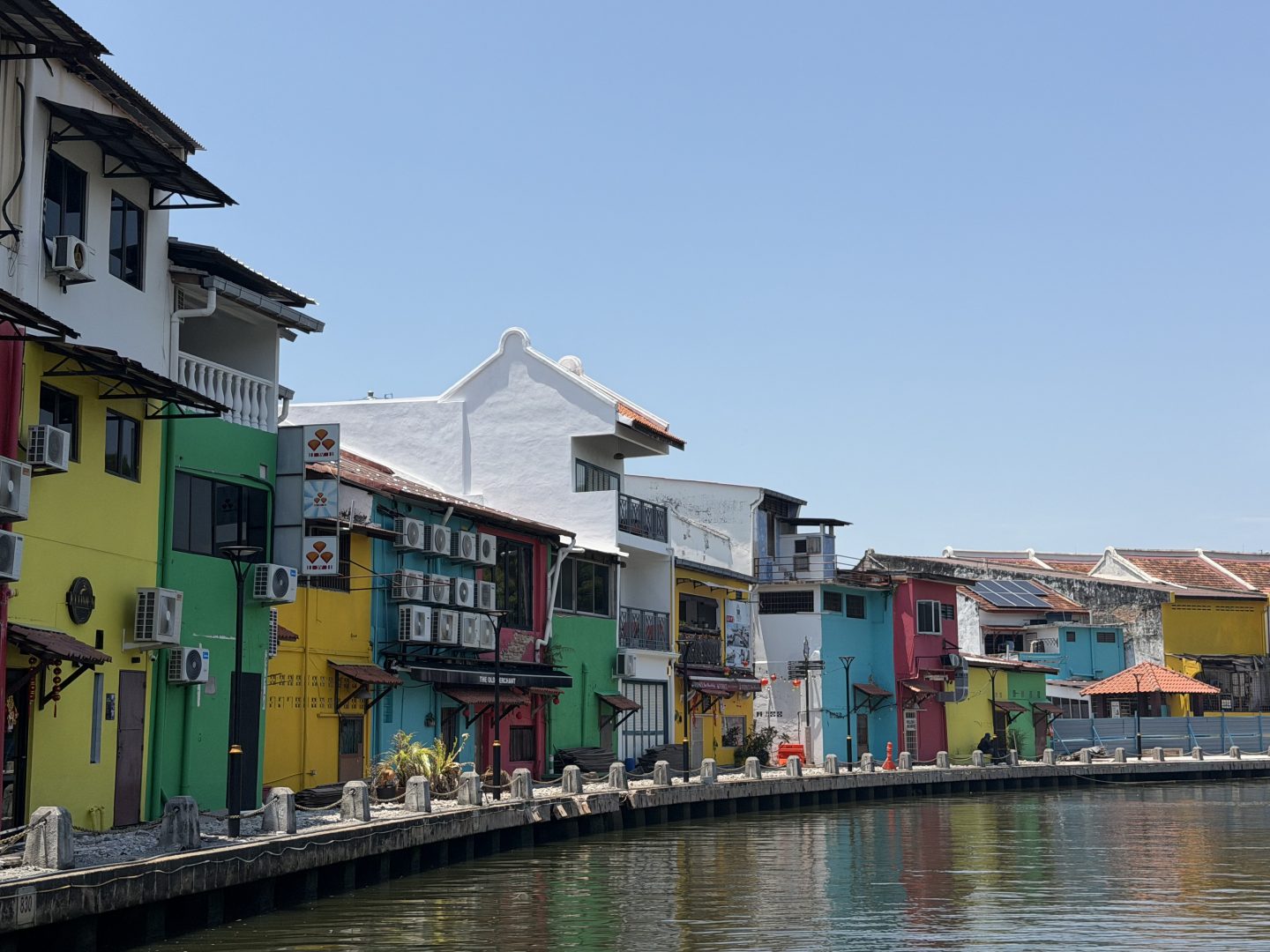
Melaka sits south of Kuala Lumpur and works best as a short detour rather than a core stop. It is known for its colonial history, colourful heritage buildings and traditional feel, which offers something different from the modern pace of Kuala Lumpur.
Highlights include Dutch Square, Jonker Street, the riverfront and the night market, all within a compact, walkable area that is easy to explore without much planning.
It can be visited in a day, and while it is worth seeing if you are interested in history and heritage, it is not essential if you are short on time and want to prioritise heading north.
Read my full Melaka travel guide
Ipoh
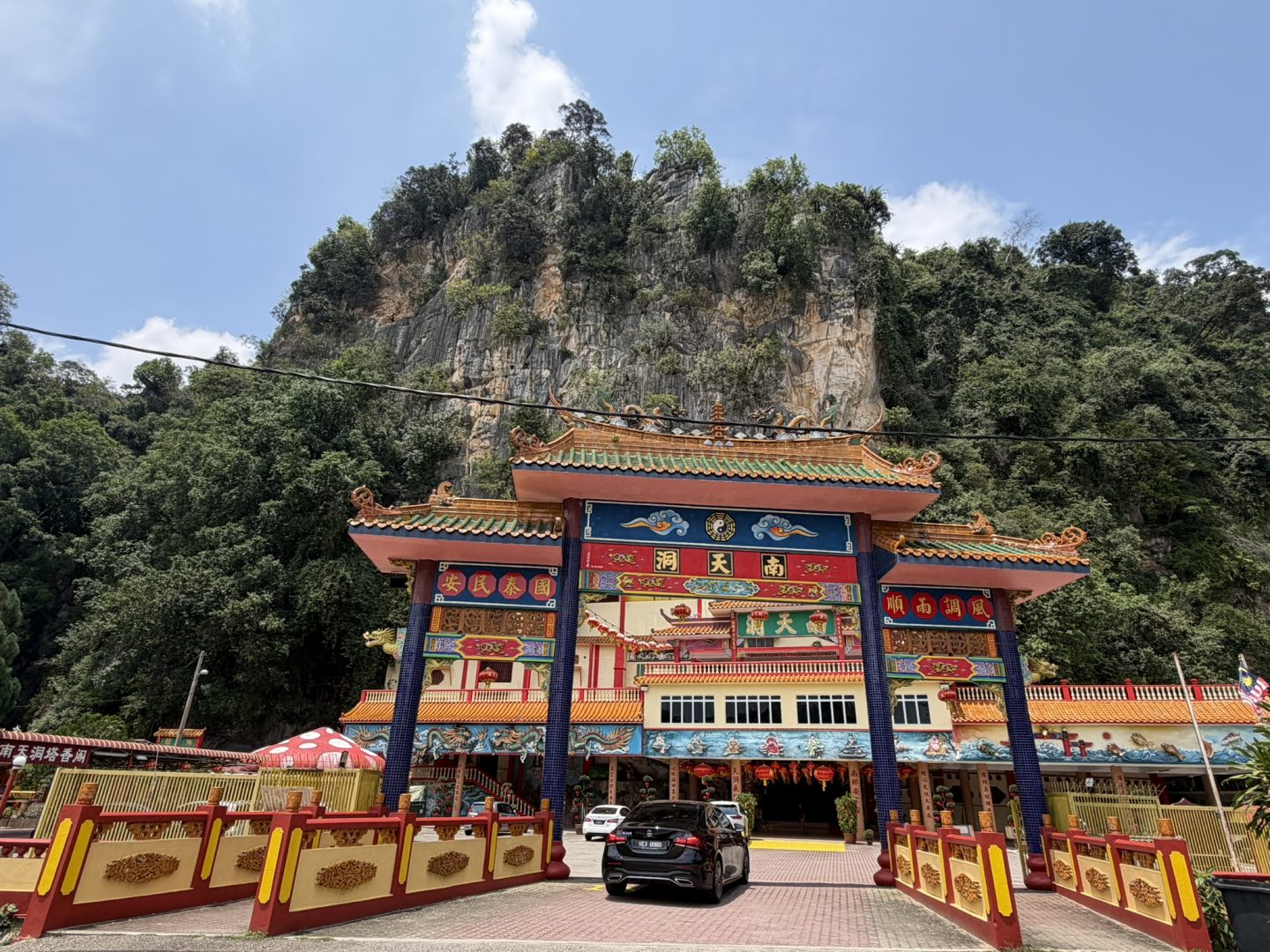
Ipoh sits between Kuala Lumpur and Penang and works well as a stop along the route north. It is best known for its food and cave temples, with highlights including white coffee, local dishes like nasi kandar and chicken with bean sprouts, limestone cave temples and areas like Concubine Lane and the Old Town.
It works best as a one day stop, and while it is worth visiting, it is not essential if you are short on time and want to prioritise spending longer in Penang.
Read my full Ipoh travel guide
Penang
Penang is one of the strongest destinations in Malaysia and is worth prioritising if you are limited on time. George Town is known for its food, cultural mix and historic streets, and is widely considered one of the best places to eat in the country.
Beyond the food, highlights include street art, temples and heritage buildings spread throughout the city, all within a compact area that is easy to explore.
It works well as a base for a few days, with two to three days enough to see the main areas at a comfortable pace. Compared to places like Ipoh, it offers more to see and do, which is why it is usually prioritised in most itineraries.
If you are planning to spend time here, this Penang guide covers what to do, where to eat and how to structure your time.

Street art in George Town is one of the main reasons to visit Penang
Cameron Highlands
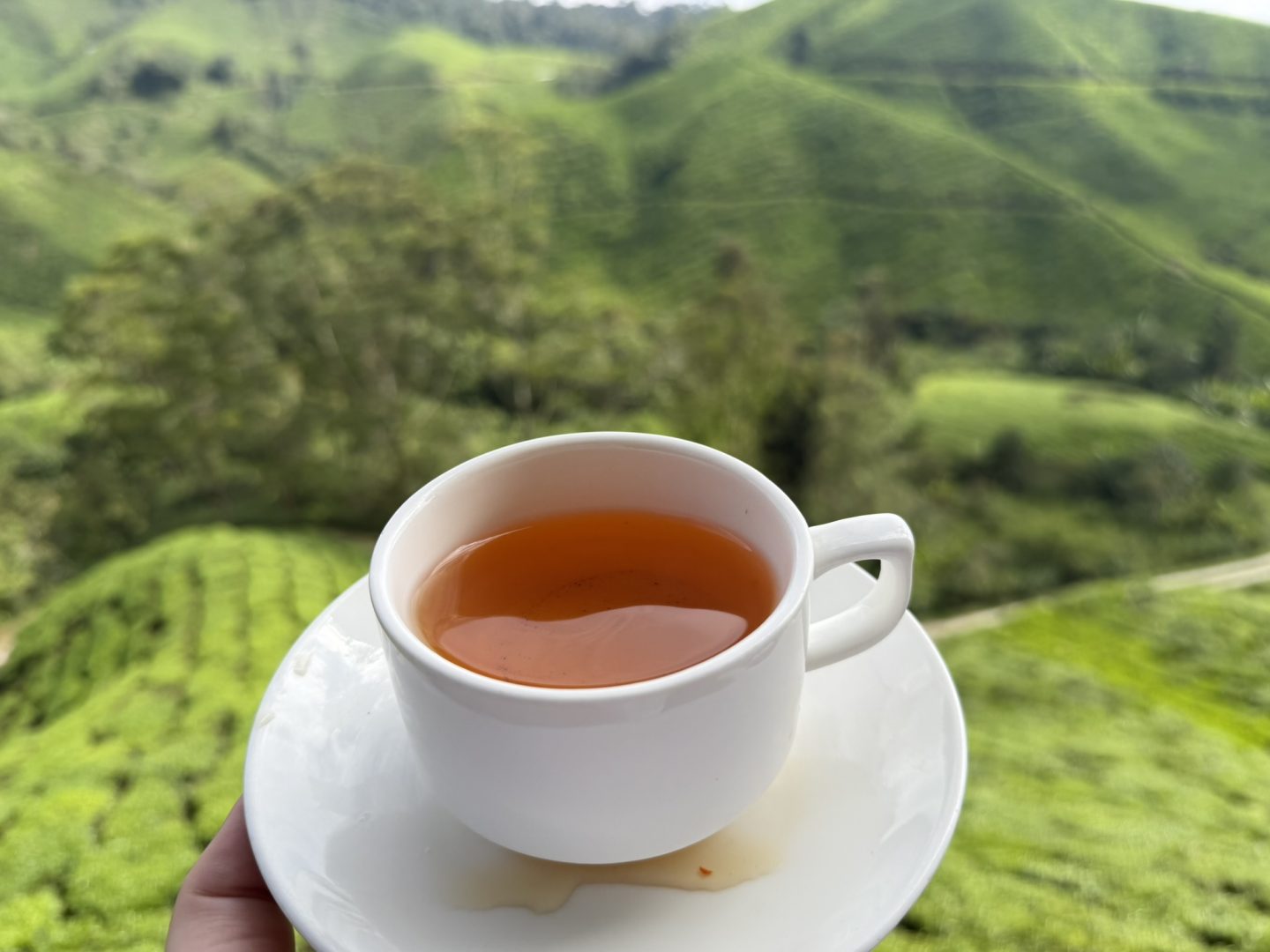
Cameron Highlands sits inland between Ipoh and Penang and is usually added as a detour rather than part of the main route. At around 1,500 metres above sea level, it offers a noticeably cooler climate and a change from the heat of the cities.
Highlights include the BOH and Cameron Valley tea plantations and the Mossy Forest. It requires more effort to reach, so it is best suited if you have extra time rather than as a priority stop.
One full day is enough to see the main highlights, which makes it harder to justify if you are working with a tighter itinerary.
Read my full Cameron Highlands travel guide
Langkawi
Langkawi sits off the west coast of Malaysia and is usually added at the end of a trip after Penang. It is known for its beaches and resorts, with highlights including island hopping, the cable car and Sky Bridge.
If you are deciding between island options, Langkawi is the easiest to reach and has the most developed infrastructure. However, compared to places like Redang, it is generally less focused on snorkelling and natural scenery.
It works well for a few days at the end of a trip if you are looking for convenience and a more resort-style experience.
Redang Island
Redang Island sits off the east coast of Malaysia and is usually added as an alternative to Langkawi rather than alongside it. It is known for clear water, excellent snorkelling and a more laid back, beach focused experience.
Highlights include coral reefs, marine life and spending time by the water. Compared to Langkawi, it feels quieter and more natural, but also requires more effort to reach.
It works best if you want a slower ending to your trip and are prioritising snorkelling or diving.
If you are planning to visit, this Redang Island guide covers what to expect, and this guide to where to stay on Redang Island breaks down the best resorts and how to choose.
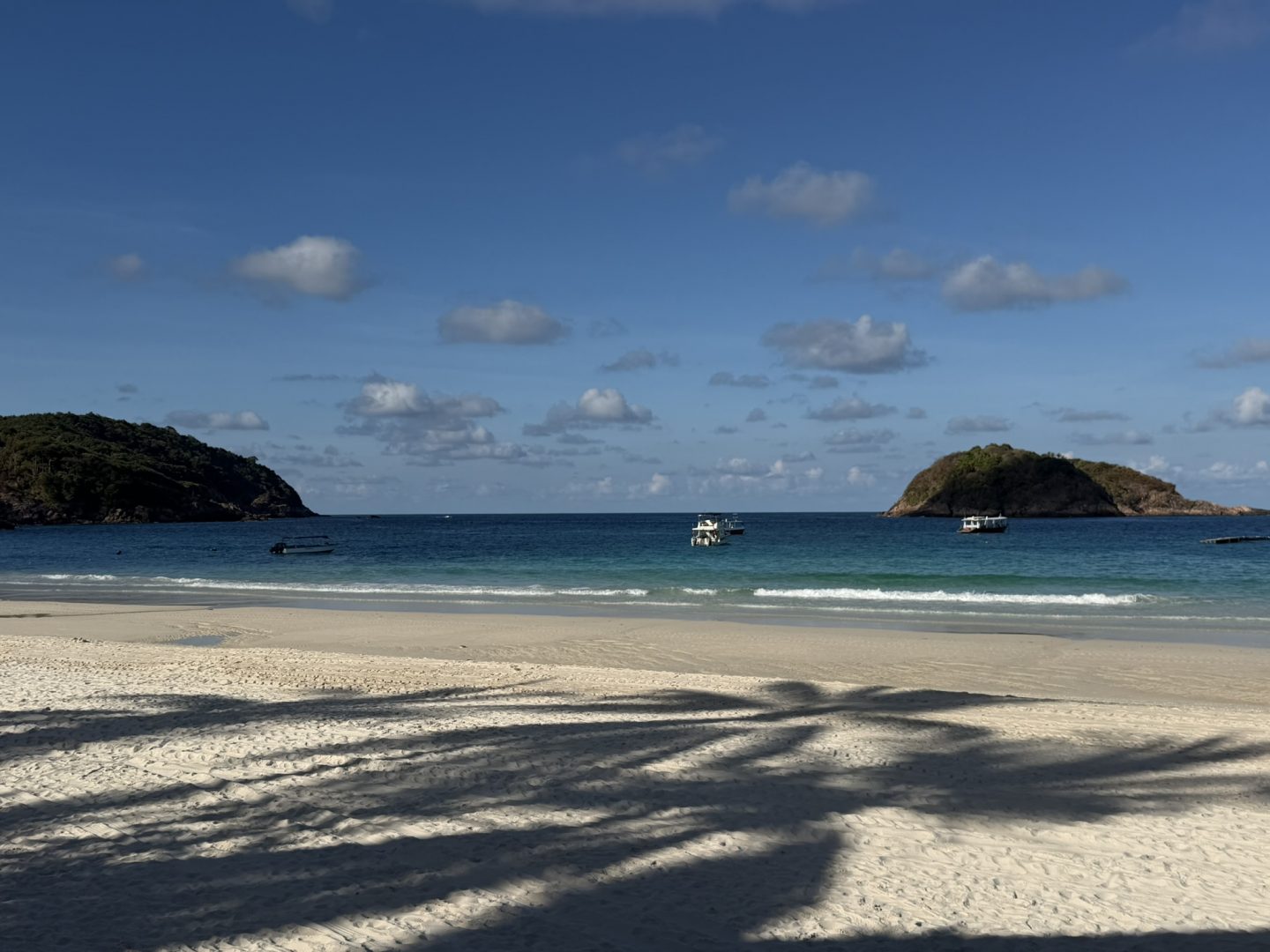
Pasir Panjang beach on Redang Island, where most resorts are located
Borneo, Malaysia
Borneo is not part of the main mainland route and requires a flight from Kuala Lumpur or Penang, but it is one of the most worthwhile additions to a trip to Malaysia. Split between Malaysia, Indonesia and Brunei, Malaysian Borneo covers the states of Sabah and Sarawak and offers a completely different environment focused on rainforest and wildlife.
The main reason to visit is for experiences you cannot get elsewhere in Malaysia, including seeing orangutans, river safaris along the Kinabatangan and exploring one of the oldest rainforests in the world. It does require more time and planning, but if you have the flexibility, it’s one of the most rewarding additions to a trip to Malaysia.
If you are planning to visit, this Borneo travel guide covers where to go, what to expect and how to plan your trip.

Wildlife encounters in Borneo are a completely different experience to mainland Malaysia
Is Malaysia worth visiting?
Malaysia is worth visiting if you are looking for a trip that offers variety without being difficult to travel through. It combines cities, food, nature and islands in a way that is easy to structure into a single route.
The key is not trying to do everything. Kuala Lumpur and Penang form the strongest core of a trip, with places like Ipoh and Melaka working as shorter stops along the way. Redang is a better choice if you are looking for clear water and snorkelling, while Langkawi is the easier option for a more resort-style ending.
Borneo sits slightly apart, but if you have the time, it is one of the most worthwhile additions and offers something completely different from the mainland.
Overall, Malaysia is not about ticking off as many places as possible, but choosing the right combination based on how much time you have. Done well, it offers one of the most balanced and varied trips in South East Asia.

![Shopping in Beijing: 10 Tips to Bargain Like a Pro [2025 Update]](data:image/png;base64,iVBORw0KGgoAAAANSUhEUgAAAyAAAAHCAQMAAAAtrT+LAAAAA1BMVEUAAACnej3aAAAAAXRSTlMAQObYZgAAAENJREFUeNrtwYEAAAAAw6D7U19hANUAAAAAAAAAAAAAAAAAAAAAAAAAAAAAAAAAAAAAAAAAAAAAAAAAAAAAAAAAALIDsYoAAZ9qTLEAAAAASUVORK5CYII=)