Body shape analysis is the latest K-beauty trend, looking at how clothing cuts, fabrics and proportions work together. I paid less than £80 for a 70-minute body analysis consultation at Draw Me in Busan. This review covers what my body shape analysis revealed, the styling advice I received and how useful it was when choosing clothes.
This post contains ads and affiliate links, which help cover the running costs of this blog at no extra cost to you. I paid for this experience myself and all opinions are my own.
What is body shape analysis in South Korea?
Body shape analysis is a styling consultation that considers your proportions, frame and the way clothing sits on your body. The aim is to suggest shapes, materials and details to look for when choosing clothes. Here, “body analysis” refers to personal styling. It’s different from a body-composition test measuring things such as body fat or muscle mass.
Check availability for body shape analysis at Draw Me in Busan.
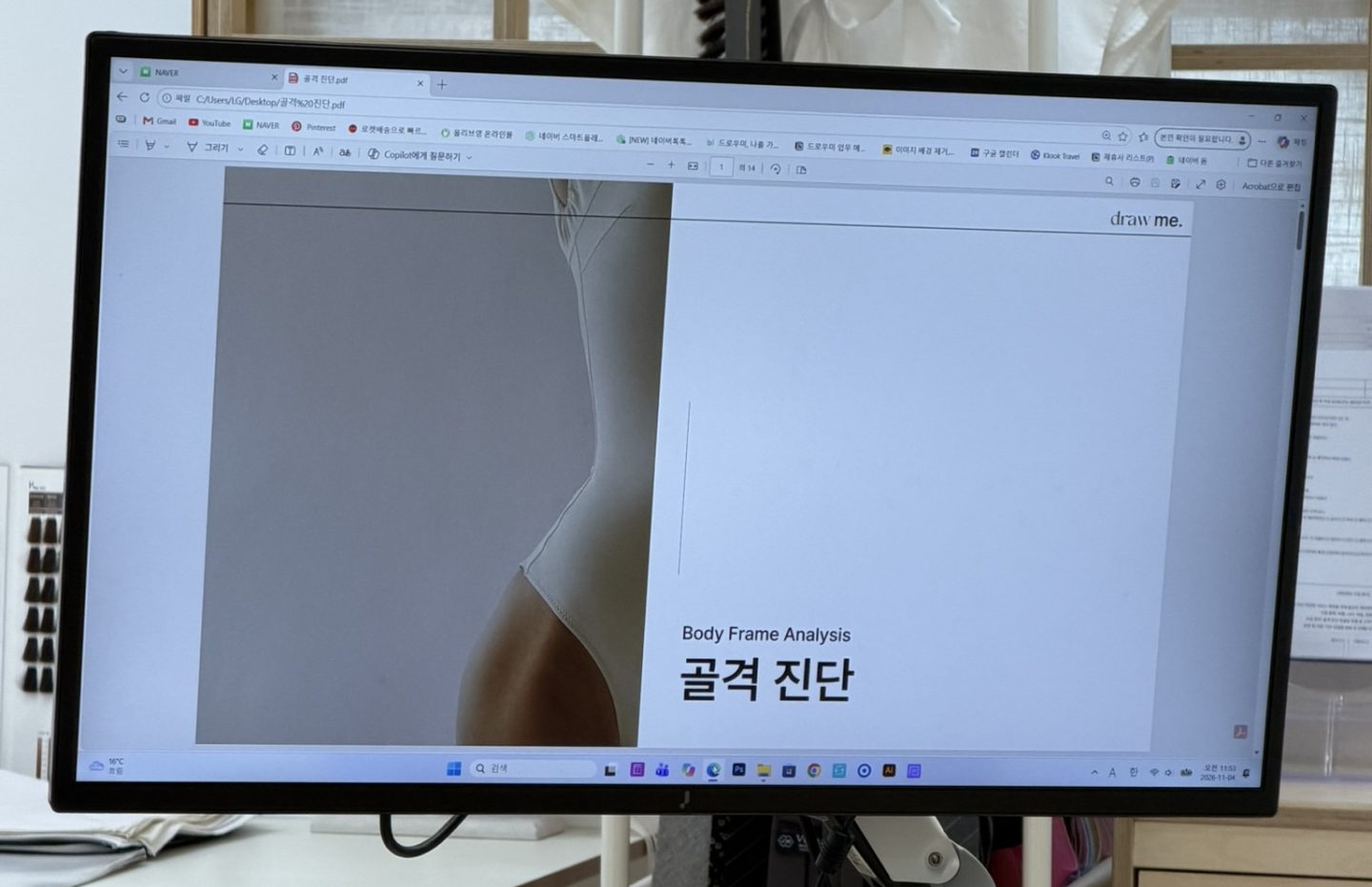
What did my body analysis reveal?
I had always found body-shape labels such as pear, apple and hourglass a little confusing, although I considered myself an inverted triangle.
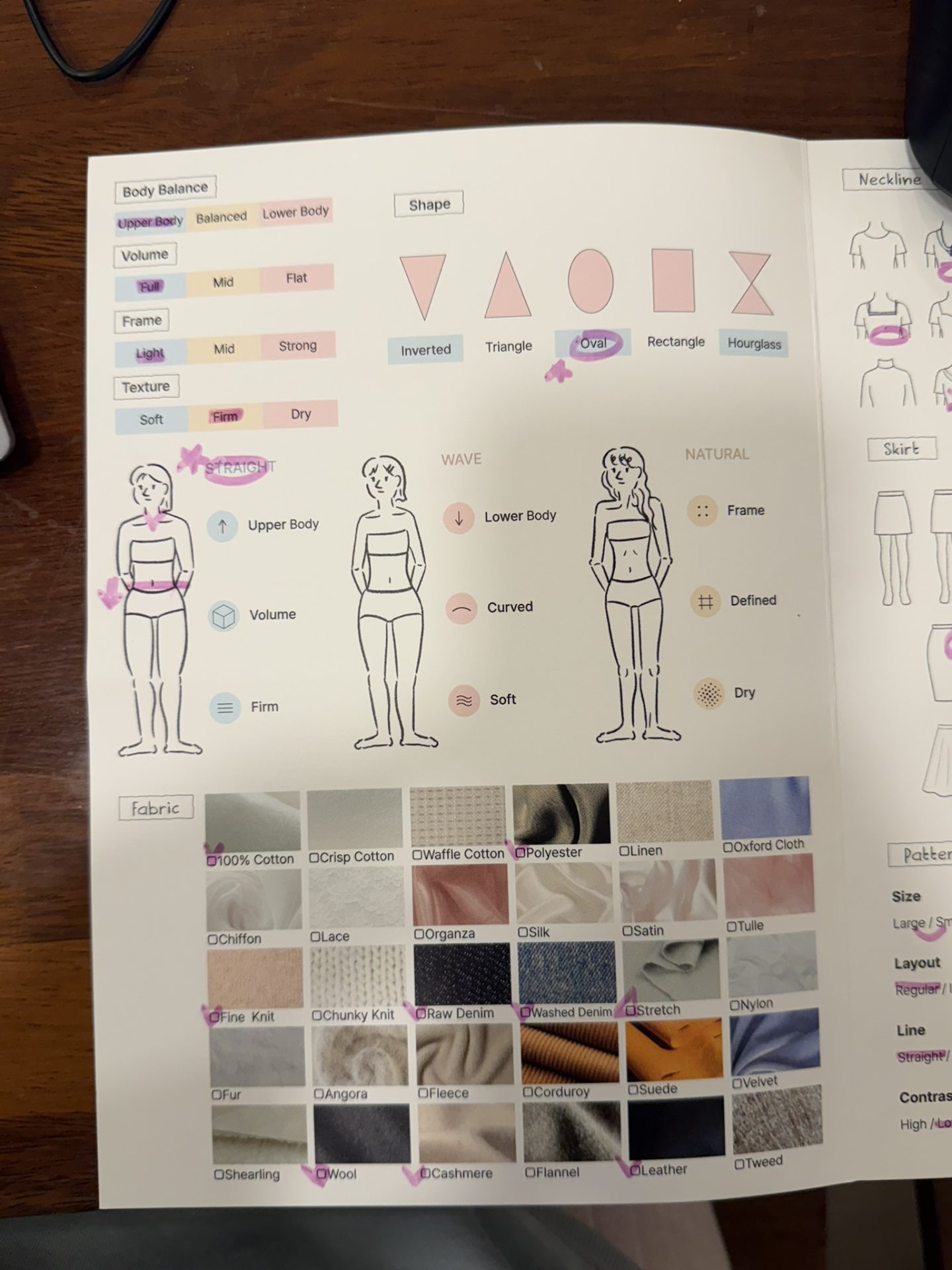
Many styling studios in South Korea use three body-frame categories: straight, wave and natural. Familiar labels such as pear, apple and hourglass focus mainly on your silhouette—the relative widths of your shoulders, waist and hips. The body-frame system considers your body in three dimensions, also looking at depth, fullness, bone structure, firmness or softness, and the balance between your upper and lower body.
This can provide more useful styling guidance because two people with similar shoulder, waist and hip widths can have different fullness through the chest, more prominent bones or softer tissue, which affects how fabric falls.
Draw Me classified my body frame as straight, with upper-body emphasis, fuller volume, a light frame and firm texture.
What did I receive after the body analysis?
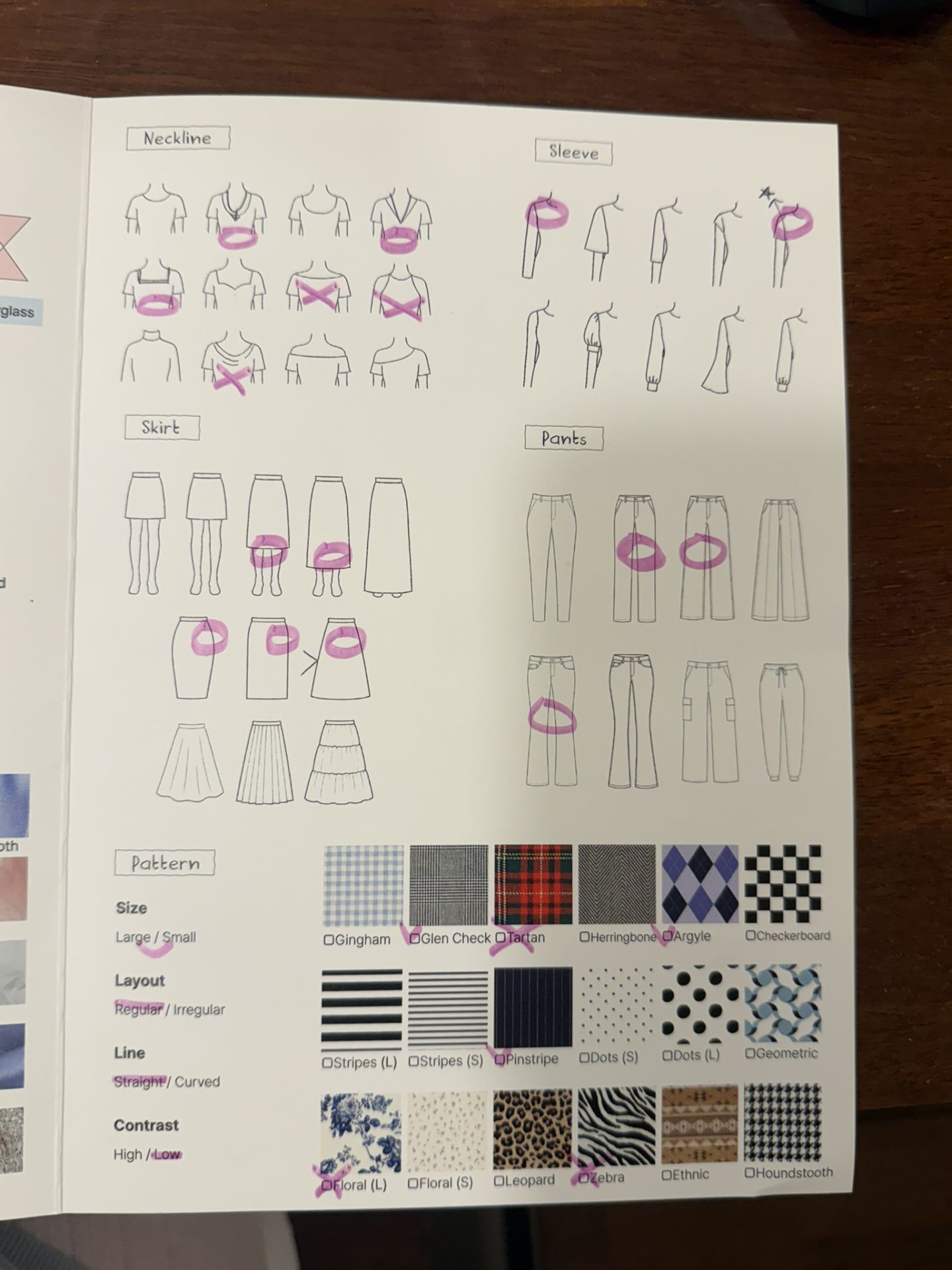
My results included a marked sheet covering my assessment and clothing recommendations, plus a 13-page PDF for the straight body type with more examples of the overall style direction.
The personal recommendations covered necklines, clothing cuts and lengths, fabrics, patterns and accessories. My personalised sheet highlighted options such as V-necks and square necklines, straight-leg and bootcut trousers, and knee-length or midi skirts. Finer knits, simple detailing and lower-contrast patterns were also recommended.
The accompanying straight-type guide illustrated these ideas with photographs of clothing, shoes, bags and jewellery, giving me examples to refer back to when shopping. The overall direction was towards clean shapes and structured pieces, with attention to how the fabric and fit could change the look.
Who would find a body shape analysis useful?
Body analysis is most relevant if you want help understanding fit and styling beyond knowing your dress size. It offers specific features to look for when comparing clothes, from neckline shape to fabric weight and hem length. The practical question is whether those recommendations help you make choices within your own style.
I would have liked detailed body measurements and the chance to try on different outfits, as some other studios offer. Even so, I came away feeling more confident about what to look for when shopping, from necklines and sleeve shapes to fabrics and how clothes sit on my frame.
The advice also went beyond clothing: we discussed my face shape, where my fringe should fall, how to wear curls and where a necklace should sit. Those smaller details made the recommendations feel more personal and gave me ideas I could apply to my existing wardrobe and hairstyle.
Check availability for body shape analysis at Draw Me in Busan.