Argentina covers an enormous range of landscapes, from the grand buildings and late nights of Buenos Aires to Mendoza’s vineyards and the glaciers of Patagonia. If you only have one week, it’s an ambitious country to cover, but with domestic flights, you can still combine all three.
This is how I would plan a 7-day Argentina itinerary, with the benefit of hindsight: how long to spend in each place, the tours we’d recommend and where we’d extend the route with more time.
This post contains ads and affiliate links, which help cover the running costs of this blog at no extra cost to you.
How many days do you need in Argentina?
Seven days is the quickest I would attempt for Buenos Aires, Mendoza and El Calafate. You’ll need to fly between each stop, and it helps to be realistic about what you can see in each place. For a first trip with more breathing room, I would allow 10 to 12 days. But if one week is what you have, this route gives you a very good introduction to Argentina: two days in Buenos Aires, two in Mendoza and three days around El Calafate.
Days 1–2: Buenos Aires
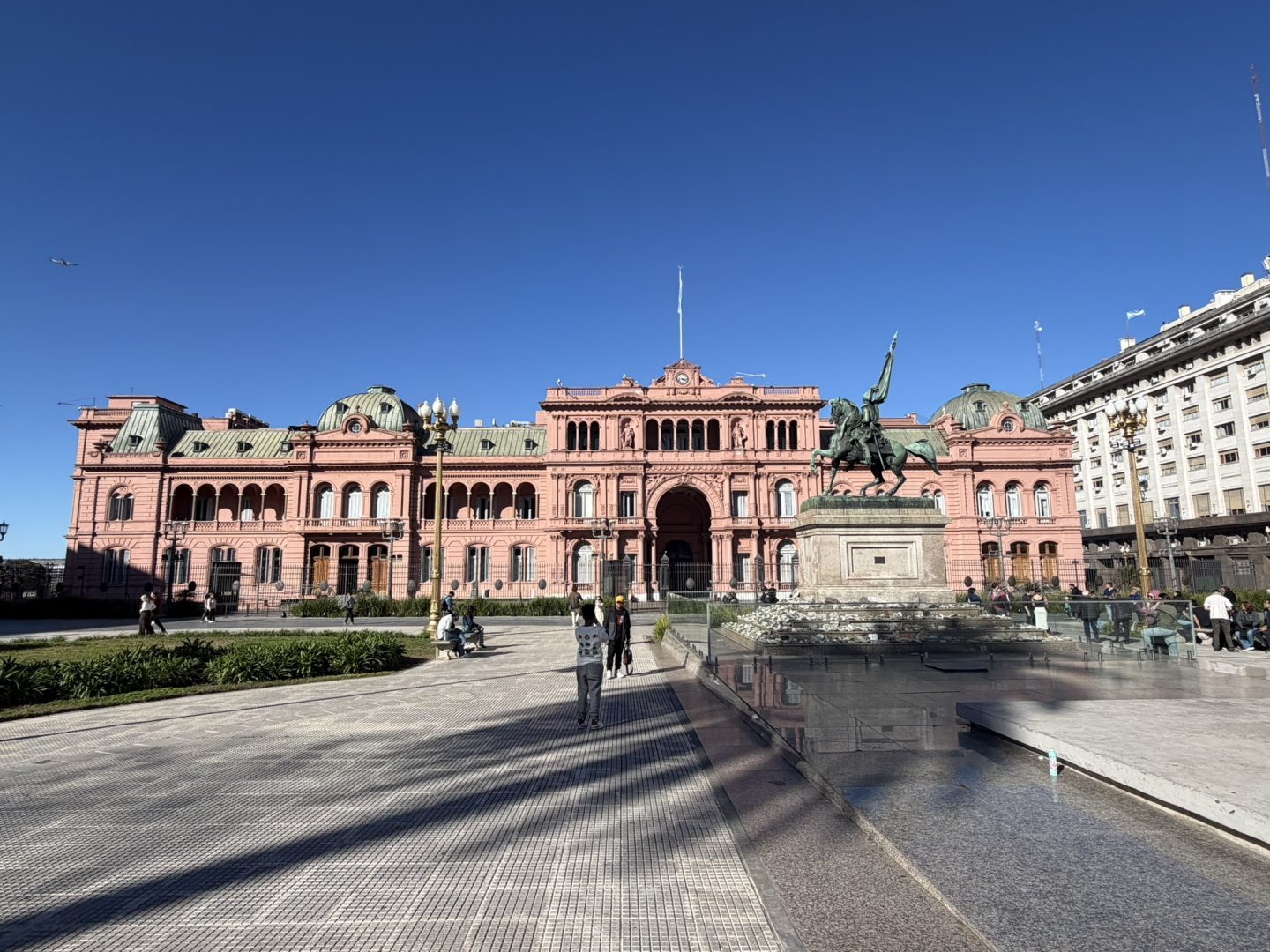
Buenos Aires was our first stop in Argentina. In a week-long itinerary, two days is enough to see the highlights, although I would stay longer if your schedule allows.
Start around Plaza de Mayo, Avenida de Mayo and the Obelisk, then explore San Telmo if you’re there on a Sunday for the market around Plaza Dorrego. On your second day, combine La Boca and Caminito with either Recoleta or Palermo.
Keep one evening free for tango. We booked this full Piazzolla Tango experience inside the historic Galería Güemes, which included a short tango lesson, a three-course dinner with drinks and the live show afterwards. It ended up being one of our favourite nights in Buenos Aires.
For the neighbourhoods we visited, where we ate and the experiences we booked, see my full best things to do in Buenos Aires guide
Days 3–4: Mendoza
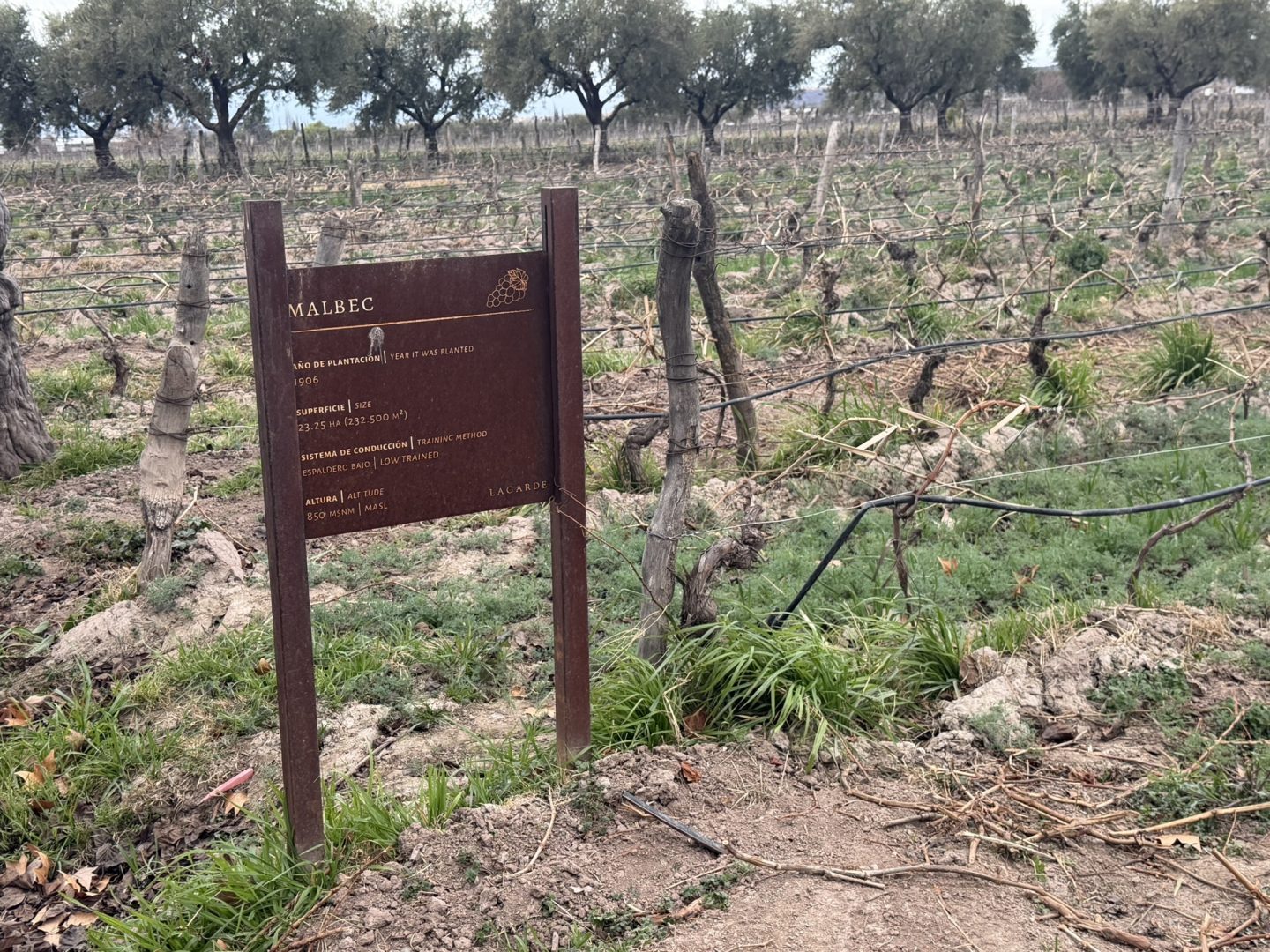
From Buenos Aires, fly west to Mendoza. It’s Argentina’s main wine region with Malbec at the centre of production and the Andes forming the backdrop to the vineyards. Although the city itself is compact, the surrounding areas of Maipú, Luján de Cuyo and the Uco Valley are filled with wineries.
Wine was the main reason we added Mendoza to our itinerary. We booked this half-day wine tour for around £25 each, which took us to three very different wineries in Maipú, with several tastings at each and an olive oil stop included. We then booked Bodega Lagarde separately for a vineyard lunch and wine pairing in Luján de Cuyo, giving us a contrast to the smaller producers we had visited on the tour.
For the wineries we visited, where we ate and the other things you can do while you are there, see my full guide to the best things to do in Mendoza.
Days 5–7: El Calafate and Perito Moreno Glacier
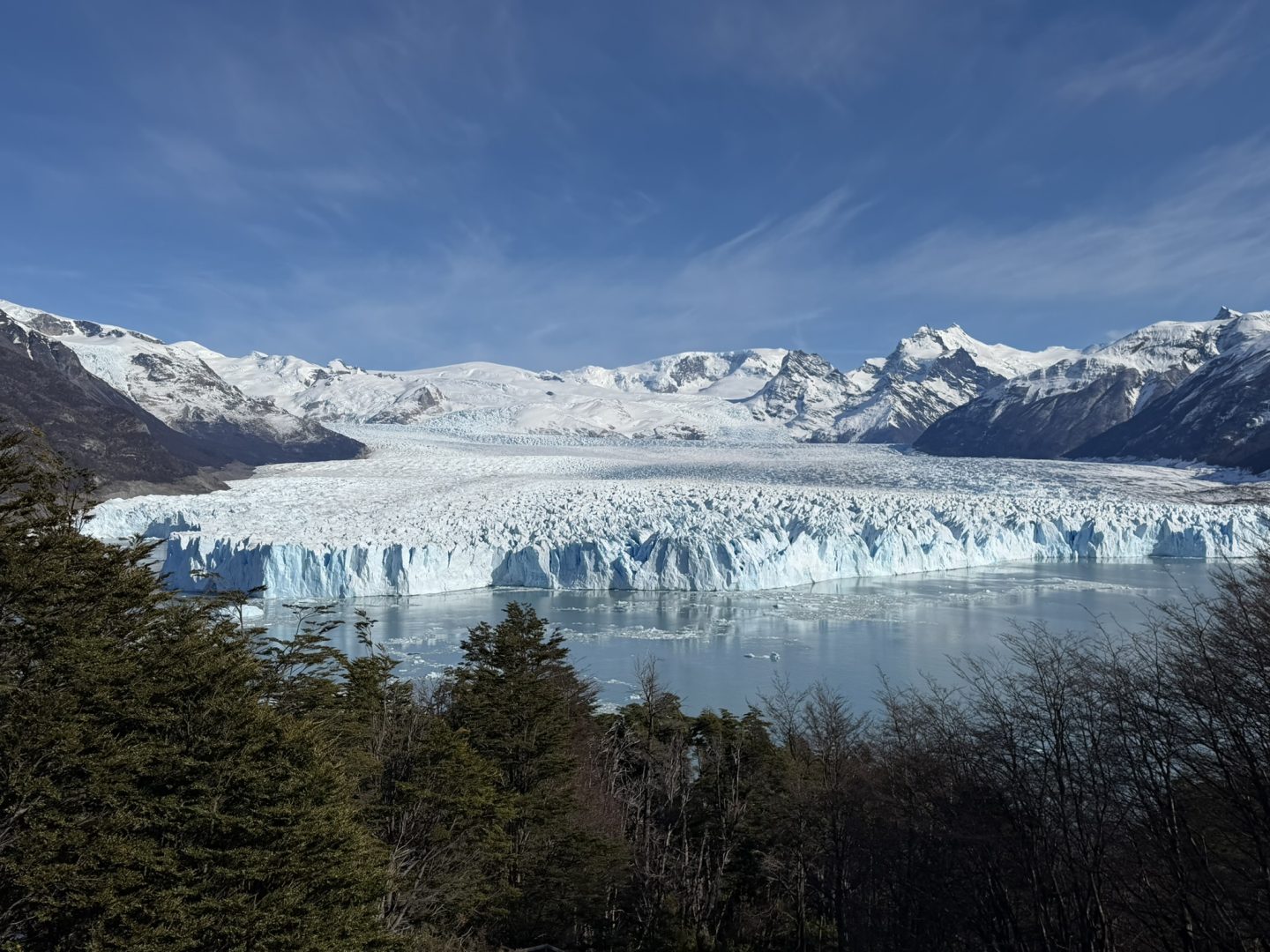
From Mendoza, we flew back through Buenos Aires before continuing south to El Calafate, which we chose primarily for the Perito Moreno Glacier. The connection makes this a travel day, so use it to settle into town, try something made with calafate berries and, if your flight timings work, visit Laguna Nimez or book the Nativo Experience.
Give your next full day to Perito Moreno Glacier. You can visit by organised excursion, bus, taxi or hire car, and you don’t need a guide for the walkways once you are inside the national park. We booked this Perito Moreno Glacier and boat trip.
For exactly how we visited Perito Moreno, what we booked and how we planned our time in town, see my full El Calafate itinerary and Perito Moreno Glacier guide.
El Calafate was the only part of Argentine Patagonia we had time for, but there’s much more to the region. If you have longer, El Chaltén is the obvious addition in this part of Santa Cruz, particularly if you want hiking. It sits within Los Glaciares National Park and is known as Argentina’s trekking capital.
Further south, Ushuaia in Tierra del Fuego can follow naturally if you want to continue towards the southern tip of Argentina. Further north, Bariloche offers a completely different side of Patagonia, centred around lakes, forests and mountains.
Continuing to Chile? Work south through Argentina and cross into Chilean Patagonia.
Where to add extra days in Argentina
Iguazú Falls
We didn’t have enough time to include Iguazú Falls in the Argentina part of our trip, but it’s the biggest addition I’d make to this itinerary with a few extra days. The falls straddle the border between Argentina and Brazil, with Puerto Iguazú on the Argentine side and Foz do Iguaçu across the border in Brazil.
The Argentine side gives you much more time among the falls, with trails and walkways through the national park, including the famous Devil’s Throat, while the Brazilian side is known for its wider panoramic views across the waterfall system. Ideally, I’d allow two days so you can see both sides rather than choosing between them.
Continuing to Brazil? Leave Iguazú until last, cross from Puerto Iguazú to Foz do Iguaçu and continue through Brazil from there.
Falkland Islands
The islands are particularly known for their penguin colonies and remote landscapes. We didn’t make it to the Falkland Islands on this trip, but they could fit particularly well if you’re travelling through Patagonia and continuing into Chile afterwards.
The complication is getting there: there are no regular direct flights from Buenos Aires. The main civilian route is a weekly LATAM flight from Santiago which currently operates on Saturdays. Once a month, however, the LATAM service also stops at Río Gallegos in Argentine Patagonia. If the dates line up, you could travel from El Calafate to Río Gallegos, fly directly to the Falklands, spend a week there, then continue on the following Saturday to either Punta Arenas in Chilean Patagonia or all the way to Santiago. Check current LATAM schedules before planning around this route.
From here, the route can naturally continue into Chile, while travellers heading towards Brazil can instead use Iguazú as their final stop in Argentina.
Is Buenos Aires, Mendoza and El Calafate a realistic one-week route?
Yes, as long as you’re happy to move quickly and use domestic flights. It’s not the route I would choose for a first visit to Argentina, but it’s a brilliant way to combine the country’s three very different sides: city life, wine country and Patagonia. A week was enough to experience all three, and enough to know that we would happily go back for the places we missed.

