Chile gave us some of the biggest contrasts of our South America trip: high mountain landscapes, vineyard valleys, Pacific coastline and one of the most remote inhabited islands on Earth.
The country stretches for more than 4,300 km from north to south, squeezed between the Andes and the Pacific. What I loved about Chile was how dramatically the landscape changed from one part of the country to another. Across a single country you can move from the Atacama Desert to vineyard valleys, snow capped Andes, Pacific coastline and, much further south, the glaciers and mountains of Patagonia.
My hope is that this guide helps you piece those very different parts of Chile together into a route that makes sense, with guidance on how long to spend in each place, which stops work well together and where to extend your trip if you have more time.
This post contains affiliate links and display advertising. If you make a purchase through one of our links, we may earn a small commission at no extra cost to you, which helps support the running of this blog.
Atacama Desert: 3–4 days
We didn’t make it to the Atacama Desert, but if you have more than a week in Chile, I’d add it at the beginning of the route before heading south to Santiago. Most visitors base themselves in San Pedro de Atacama, the gateway to the desert. From there, you can explore the lunar landscapes of Valle de la Luna, high-altitude lagoons and salt flats, see the El Tatio geysers and spend an evening stargazing beneath some exceptionally clear skies. San Pedro itself sits around 100 km from Calama, which is the main airport gateway for flights to and from Santiago.
I’d allow at least three days because many of the main sights involve separate excursions rather than being places you can simply wander between from town.
Santiago: 4 days (as a base)
We used Santiago as our base for four very different days, which worked well because you can experience the capital, the Andes, Chilean wine country and the Pacific coast without repeatedly changing hotels.
Day 1: Explore Santiago
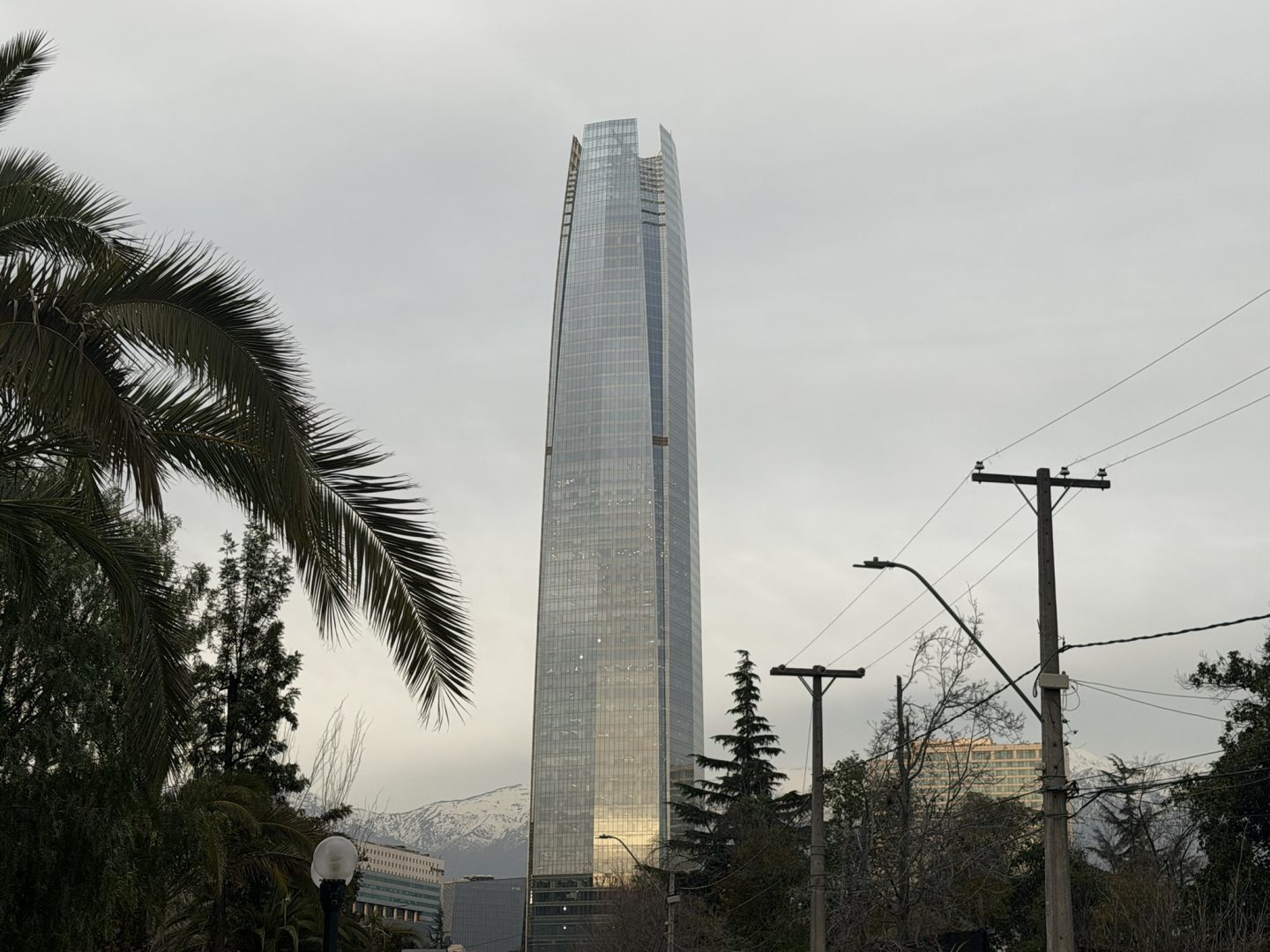
Spend your first day around central Santiago. The historic centre gives you Plaza de Armas, La Moneda and some of the city’s older architecture, while the Andes are almost constantly present in the background when the weather is clear. For one of the best views, head up Sky Costanera. We timed our visit for later in the day so we could watch Santiago change as the sun went down, with the city stretching out beneath us and the mountains beyond.
For more ideas in the city, see our Best Things to Do in Santiago, Chile guide.
Day 2: Visit Chilean wine country
One of the advantages of keeping Santiago as a base is its proximity to Chile’s wine regions.
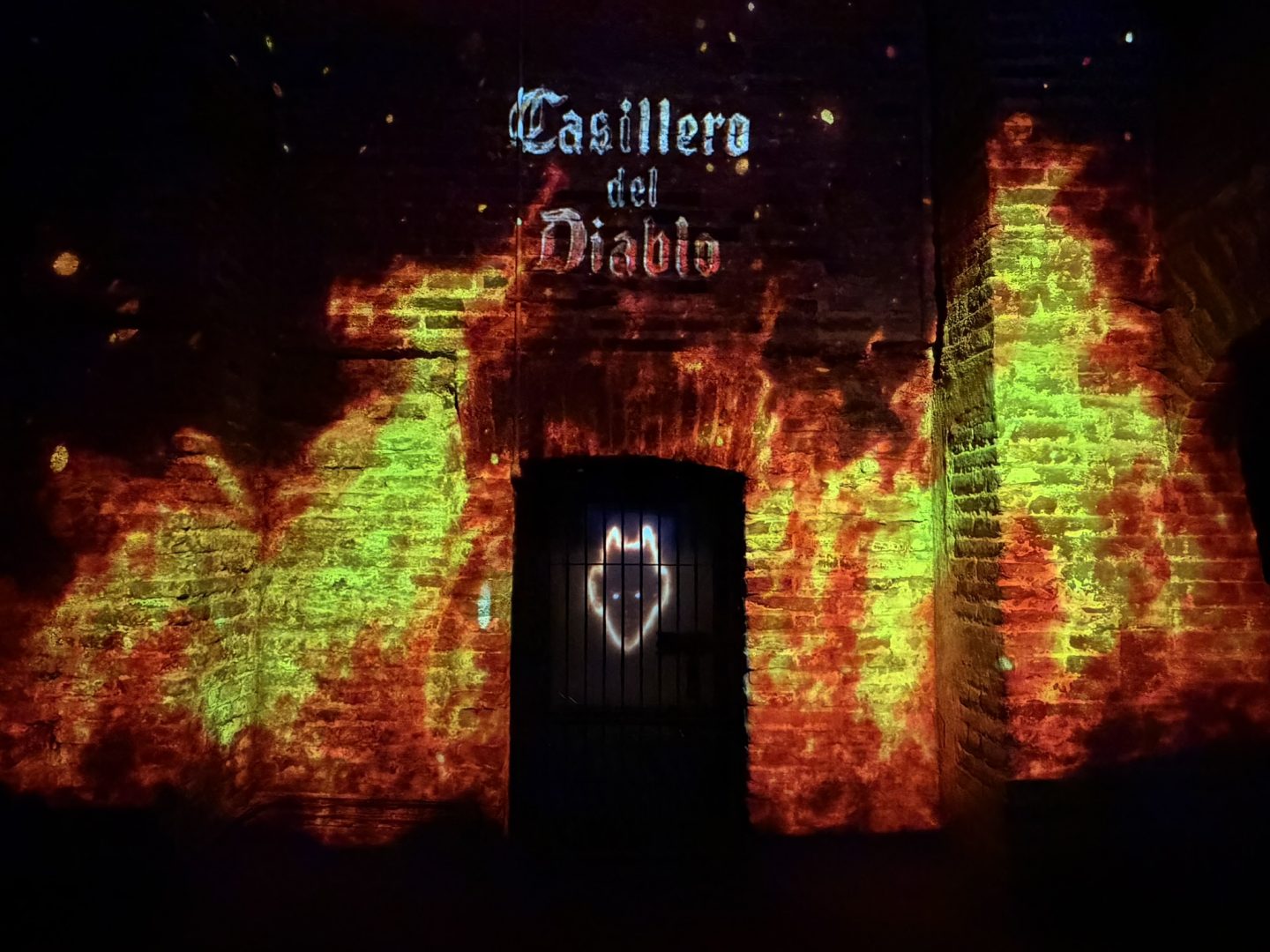
We travelled to Pirque in the Maipo Valley to visit Concha y Toro, founded in 1883 and one of Chile’s best-known wine producers. We booked the two-hour Premium Guided Visit, which included the historic estate and vineyards, four wine tastings and the underground cellar behind the legend of Casillero del Diablo. We arranged our visit separately, but if you’d rather have the transport taken care of, this Concha y Toro tour from Santiago includes hotel transfers, the vineyard visit and wine tasting.
Chile has far more wine country than Maipo alone. Casablanca and Colchagua are two other major valleys you could build into a longer wine-focused trip, but for this itinerary, a day trip from Santiago gave us an easy introduction without adding another overnight stop.
For more on Concha y Toro and the other vineyards we visited through South America, see my Best Wine Regions to Visit Around the World guide.
Day 3: Head into the Andes
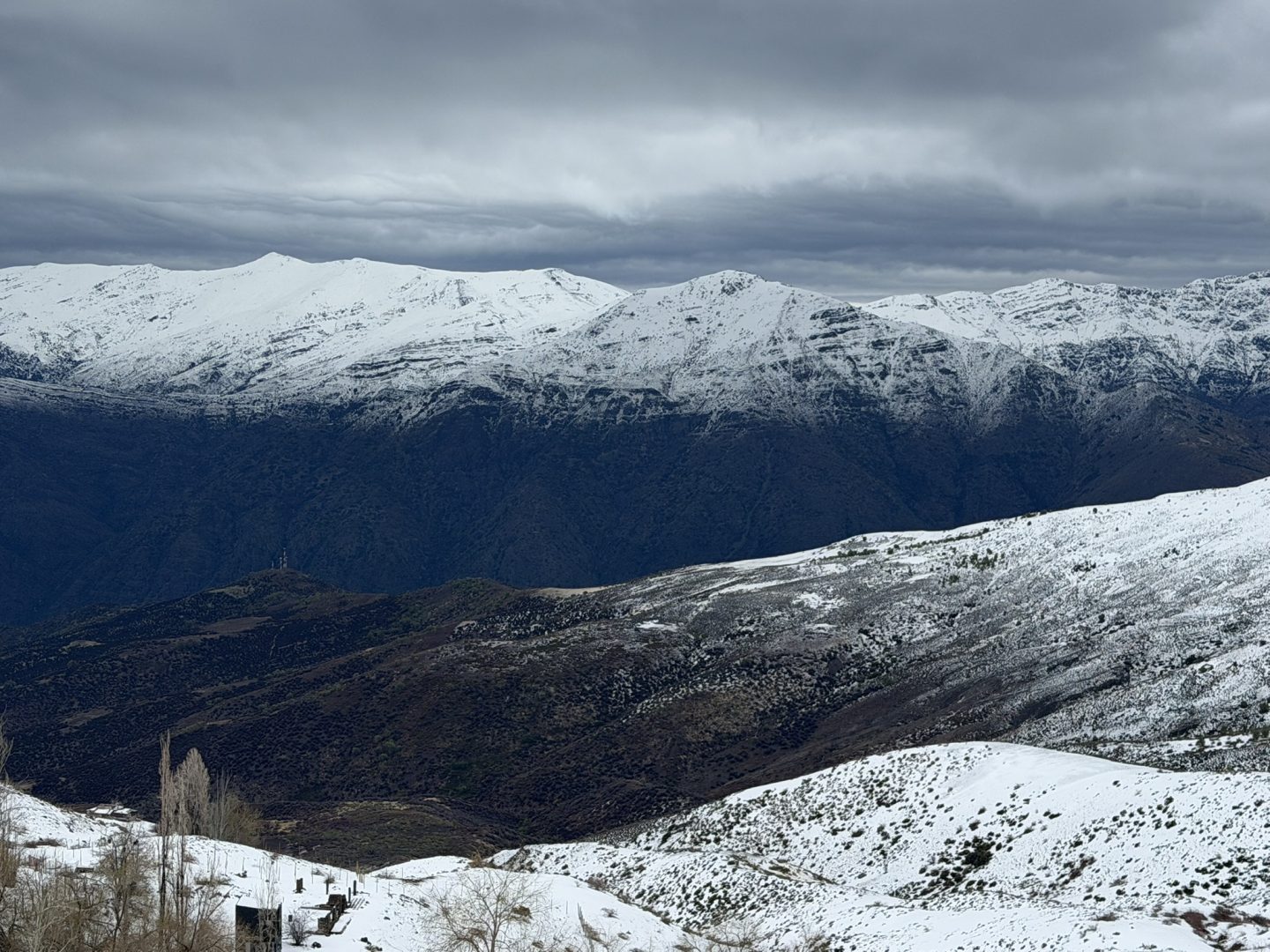
We booked this Andes day trip from Santiago, swapping the city for mountain roads and high altitude scenery without having to hire a car. The full day tour heads into Cajón del Maipo towards Embalse El Yeso, with transport from Santiago included.
Depending on the route and season, day trips from Santiago can take you towards places such as Cajón del Maipo or the ski areas further into the mountains. San José de Maipo, for example, is around an hour from Santiago by road.
It also influenced what we did later in South America. When we reached Mendoza on the Argentine side of the Andes, we decided against another dedicated mountain excursion because we had already given the Chilean side a full day.
Day 4: Valparaíso, Viña del Mar and the coast
Chile’s Pacific coast packs a lot into a single day from Santiago. You can move through colourful port neighbourhoods shaped by more than 150 years of maritime history, climb to hillside viewpoints, follow the coast past beaches and finish among the vast sand dunes of Concón.
Start in Valparaíso, where the city climbs steeply above one of Chile’s most important ports. Its historic quarter has been UNESCO listed since 2003, with historic ascensores connecting neighbourhoods such as Cerro Alegre and Cerro Concepción. Murals cover walls, staircases and entire buildings throughout these main visitor areas, alongside brightly painted houses and views back across the port.
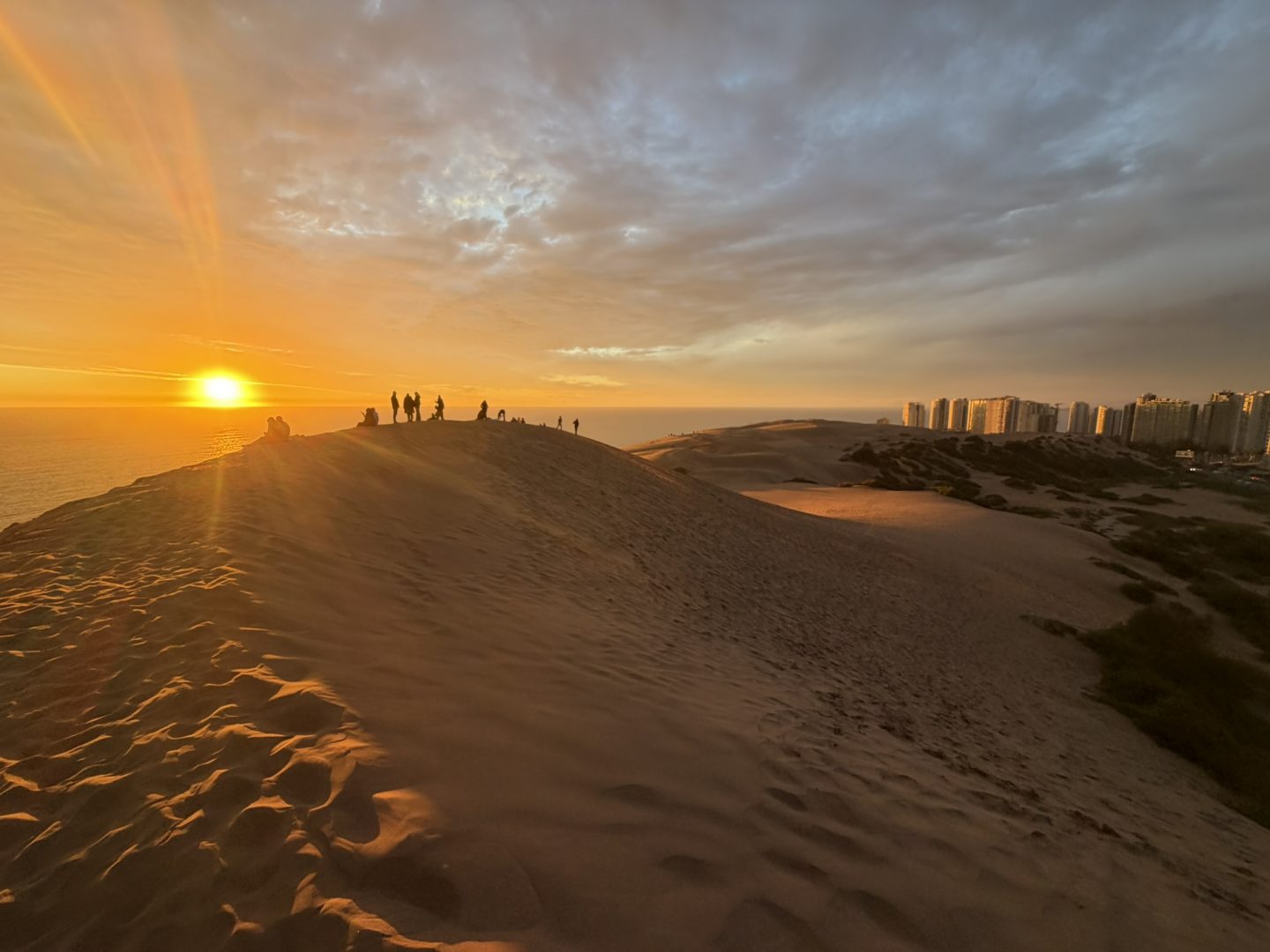
Continue along the coast to Viña del Mar, where the hills give way to beaches, gardens and a much broader seafront. From there, the coast continues north through Reñaca towards Concón, where a vast dune field rises above the Pacific, with part of the area protected as a Nature Sanctuary.
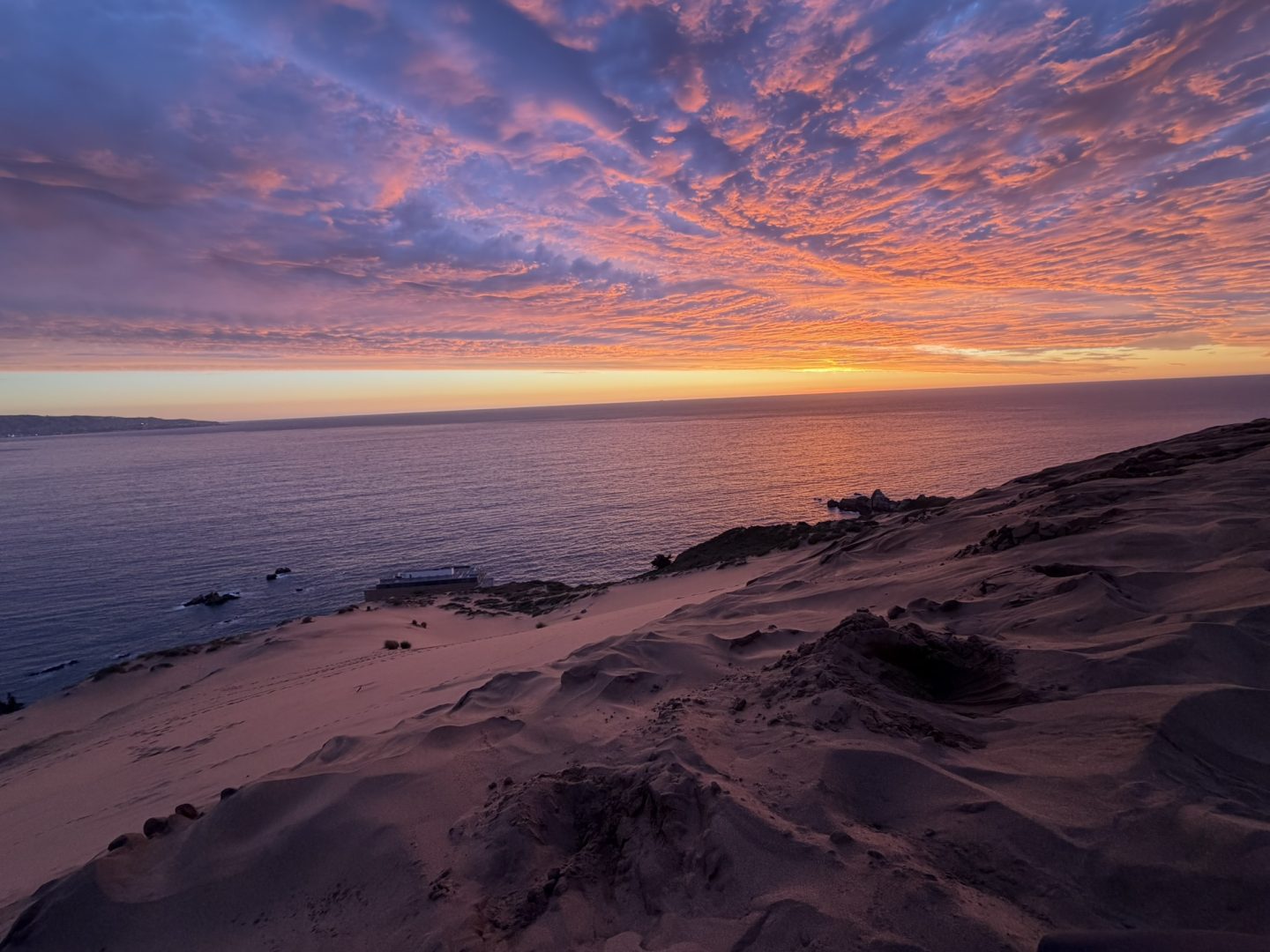
If you can, leave Concón until later in the day. Climbing onto the dunes gives you uninterrupted views across the ocean and makes a particularly good place to finish before returning to Santiago.
You can reach Valparaíso independently by bus, but if you would rather have the transport arranged, this Valparaíso and Viña del Mar tour from Santiago combines both cities with a stop in the Casablanca Valley.
Rapa Nui / Easter Island: 3–4 days
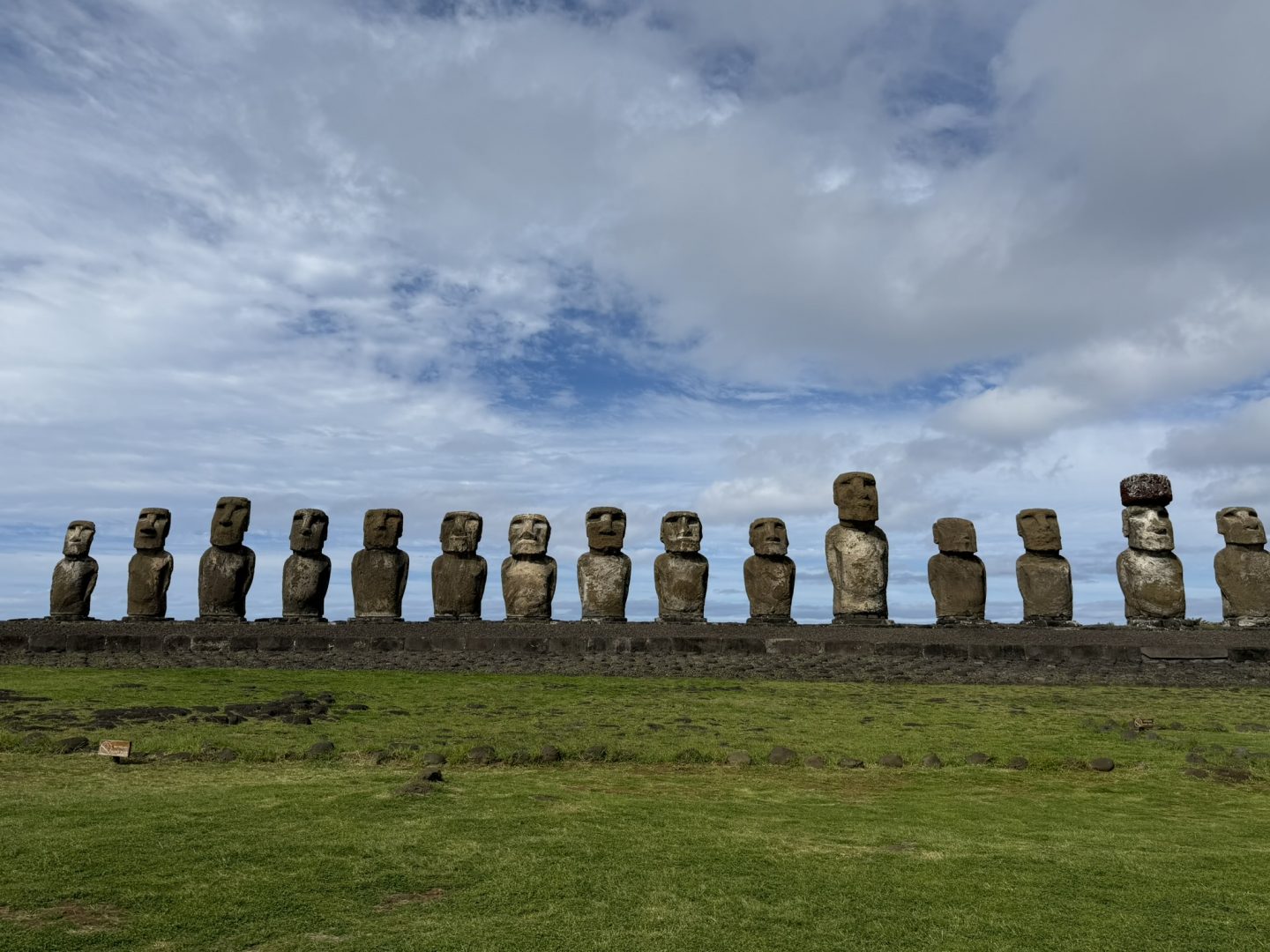
From Santiago, fly west to one of the most remote inhabited islands in the world. Rapa Nui, otherwise known as Easter Island, sits around 3,700 km from mainland Chile in the middle of the Pacific. I’d allow three to four days including the journey from Santiago.
There are a few extra things to organise compared with the rest of Chile, so I’ve covered those separately in my Rapa Nui travel guide and things to know before visiting Easter Island.
Chilean Patagonia: 4–7+ days
We experienced Patagonia from El Calafate on the Argentine side, rather than travelling through Chilean Patagonia, but this is the major southern addition I’d make to a longer Chile itinerary.
Puerto Natales is the main gateway to Torres del Paine National Park, where the landscape changes again to granite peaks, turquoise lakes, steppe and glaciers. Puerto Natales can be reached from Punta Arenas, while seasonal flights also operate from Santiago.
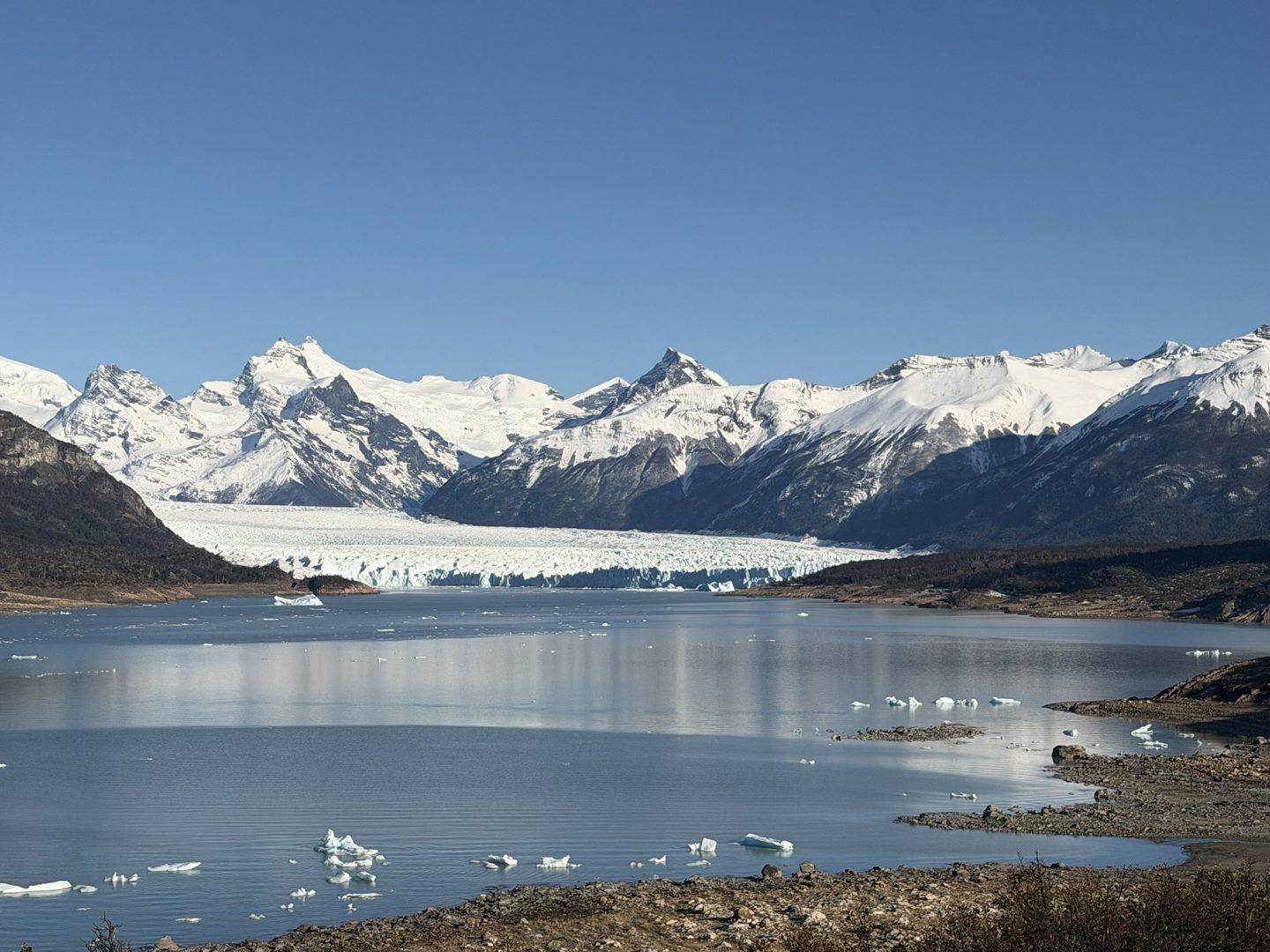
If you’re combining Argentina and Chile, Patagonia is also where the two itineraries can connect naturally. We visited Perito Moreno Glacier from El Calafate.
Falkland Islands: around 7 days
The Falkland Islands aren’t part of Chile. At the time of writing, the main civilian air connection runs every Saturday from Santiago via Punta Arenas. The LATAM service also connects with Río Gallegos on selected Saturdays each month, which can open up some interesting routes between Chile, Argentine Patagonia and the Falklands.
That creates several possible routes for a South America itinerary. From Santiago, you could spend some time in Punta Arenas before continuing to the Falklands. If you’re coming from El Calafate and the monthly dates line up, you could travel to Río Gallegos, fly from there to the Falklands and then continue into Chile via Punta Arenas or Santiago. The same route also works in reverse, allowing you to travel from Chile to the Falklands and then into Argentine Patagonia.
We didn’t make it to the islands this time, but would like to experience its penguin colonies and remote landscapes.
How long do you need in Chile?
One week gives you Santiago as a four-day base and around three days on Rapa Nui. If you want to include Atacama as well, I’d push that closer to 10–12 days rather than sacrificing time on Easter Island. Add Atacama and Chilean Patagonia as well, and you are realistically looking at two to three week.

