Rock in Rio has been bringing some of the biggest names in music to Brazil since 1985, when the first festival attracted 1.38 million people over ten days. More than 40 years later, it remains one of the biggest music festivals in the world. In 2026, Cidade do Rock hosted seven festival days across two weekends, with major international headliners, Brazilian artists and seven stages spread across the site.
This guide brings together everything we learned from Rock in Rio Brasil 2026, including tickets, transport from Copacabana, food and drink, prices, what to take and what to expect inside Cidade do Rock.
This post contains affiliate links and display advertising. If you make a purchase through one of our links, we may earn a small commission at no extra cost to you, which helps support the running of this blog.
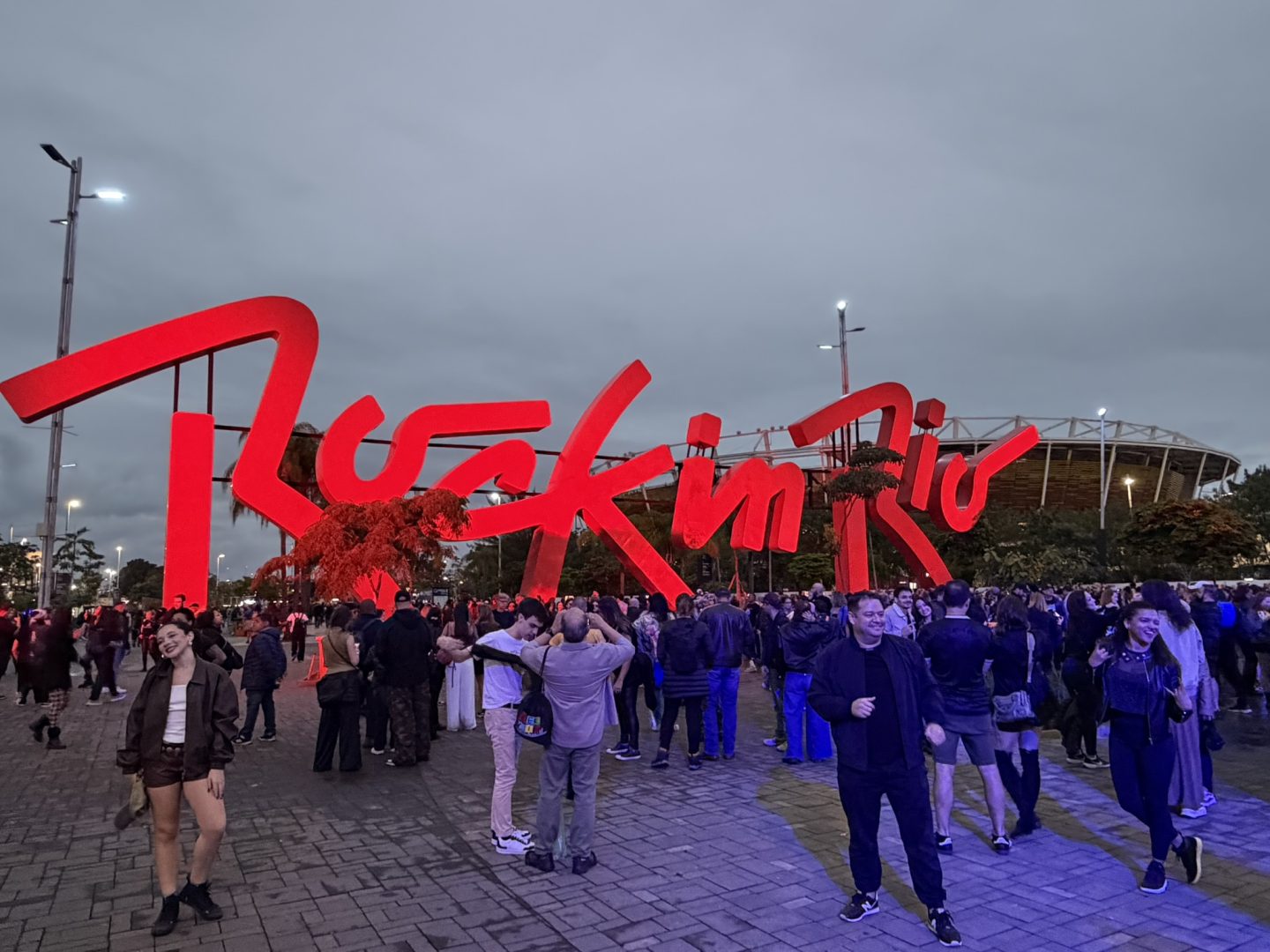
Rock in Rio Tickets
Rock in Rio tickets are sold officially through Ticketmaster Brazil, with each ticket giving access to one festival day. Because the line up changes each day, it is usually the artists performing that determine which date you choose.
For 2026, standard general admission tickets cost R$870 full price.
We only decided to go two days before, by which point our date had completely sold out. We found two tickets through StubHub, paying £245.55 for both including fees, and the transfer came through the same day.
Rock in Rio uses digital tickets through Quentro, so any transferred ticket needs to appear in your own Quentro account before the festival. Screenshots and printed tickets are not accepted because the QR code updates automatically.
Our StubHub tickets worked without any problems, but Ticketmaster is the only official seller for Rock in Rio. The festival does not take responsibility for tickets bought through other platforms, so resale should be treated as a risk rather than a guaranteed way of getting in.
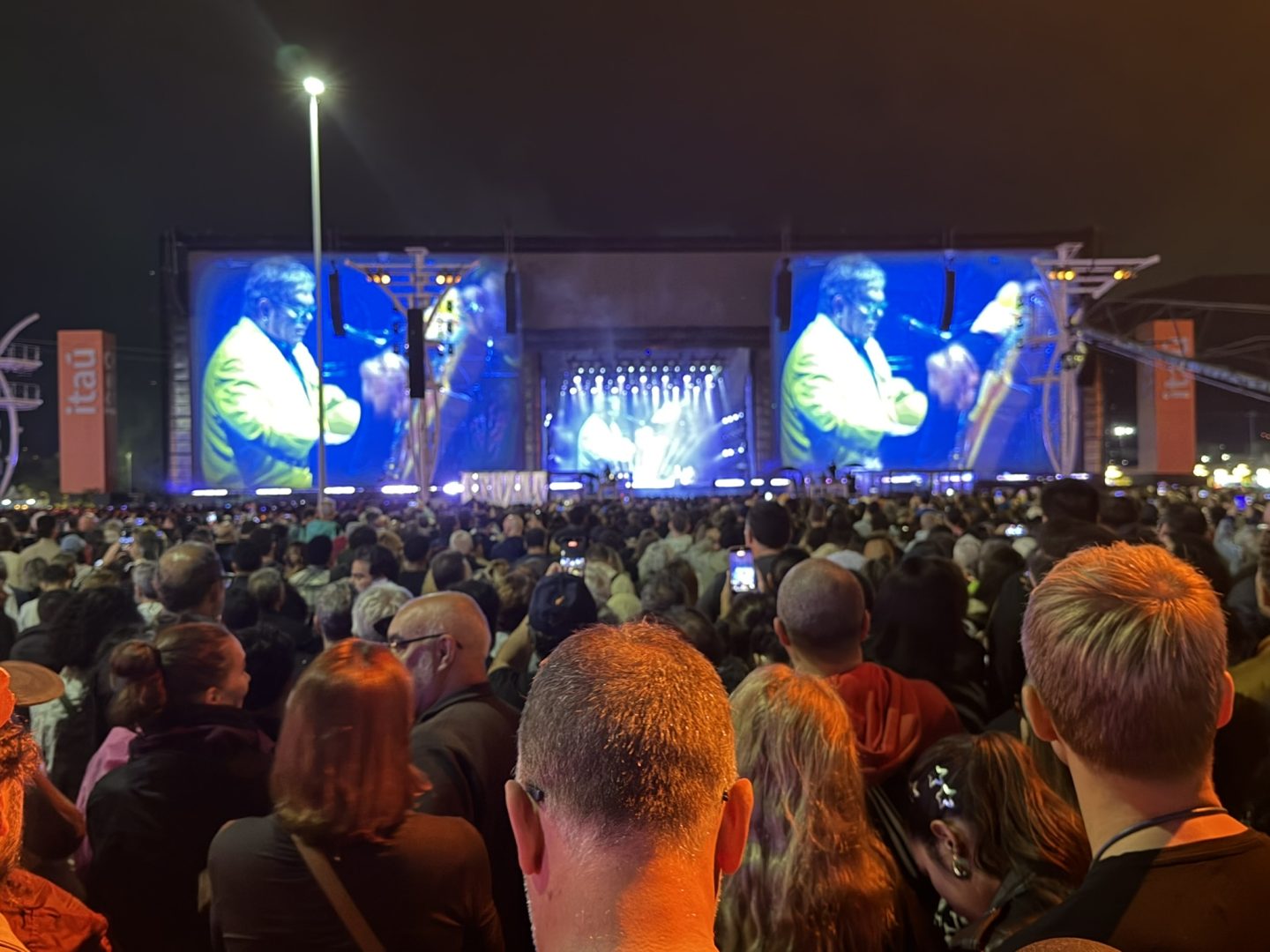
Getting to and From Rock in Rio
Cidade do Rock is in Barra da Tijuca, well away from the main tourist areas around Copacabana and Ipanema, but Rock in Rio runs a dedicated transport operation on festival days.
One of the simplest public transport options from Copacabana is to take the Metro to Jardim Oceânico and change onto the BRT Expresso Rock in Rio, which runs directly to the festival area. The combined Metro and BRT return journey costs R$44.80 per person. Jardim Oceânico stays open 24 hours during the festival, while other Metro stations remain open overnight for passengers returning from Rock in Rio to get off.
There is also the official Primeira Classe coach, which leaves from several points around Rio and travels directly to a dedicated entrance inside Cidade do Rock. You choose a departure time on the way there, but the return runs on demand, so you do not have to commit to leaving at a particular time before you know when the final show will finish.
We travelled from Copacabana using Uber. After the festival, we used the organised taxi area outside Cidade do Rock rather than walking further away to find an Uber. There were plenty of taxis waiting and staff helping manage the queue, which felt like the easier option late at night. Our driver used the meter, accepted card and the journey back to Copacabana took around 30 minutes, costing approximately R$140.
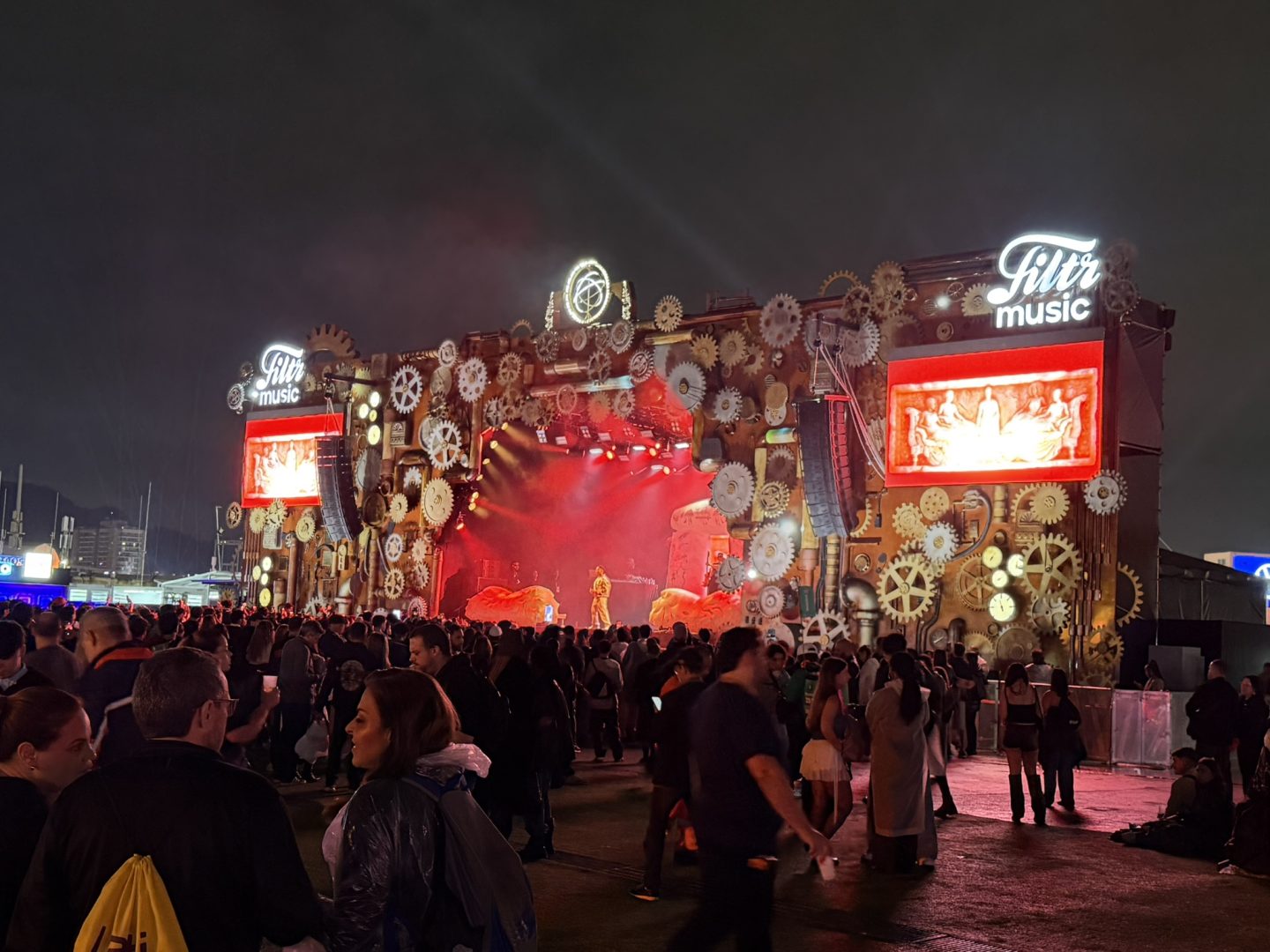
What to Expect at Rock in Rio
In 2026, the gates to Cidade do Rock opened at 2pm, but you do not necessarily need to arrive that early. We got there at around 5.30pm, which still gave us plenty of time to explore before the biggest performances later in the evening. The best arrival time will depend on the line up for your day and whether there are any earlier artists you want to see.
Rock in Rio is much bigger than a single main stage. In 2026 there were seven stages spread across Cidade do Rock: Palco Mundo, Palco Sunset, New Dance Order, Espaço Favela, Global Village, Supernova and Highway Stage. Between them, the line up covered everything from major international headliners to Brazilian artists, electronic music and smaller performances.
The headline performances we watched lasted just under 90 minutes, but there was plenty happening between sets. Cidade do Rock also had food, shops, rides and experiences spread throughout the site, so you could easily fill the gaps between the artists you wanted to see.

Food and Drink
One thing that surprised us was how reasonable the prices felt for a festival of this size. Food and drinks were available throughout Cidade do Rock, card was accepted everywhere we bought from, and there were also official Rock in Rio merchandise shops around the site. Rock in Rio operated digitally for payments, with physical cards and digital wallets accepted.
You didn’t always need to queue at a bar for a drink either. Sellers were walking through the festival carrying different options, which made it much easier to grab something without leaving the area you were watching from.
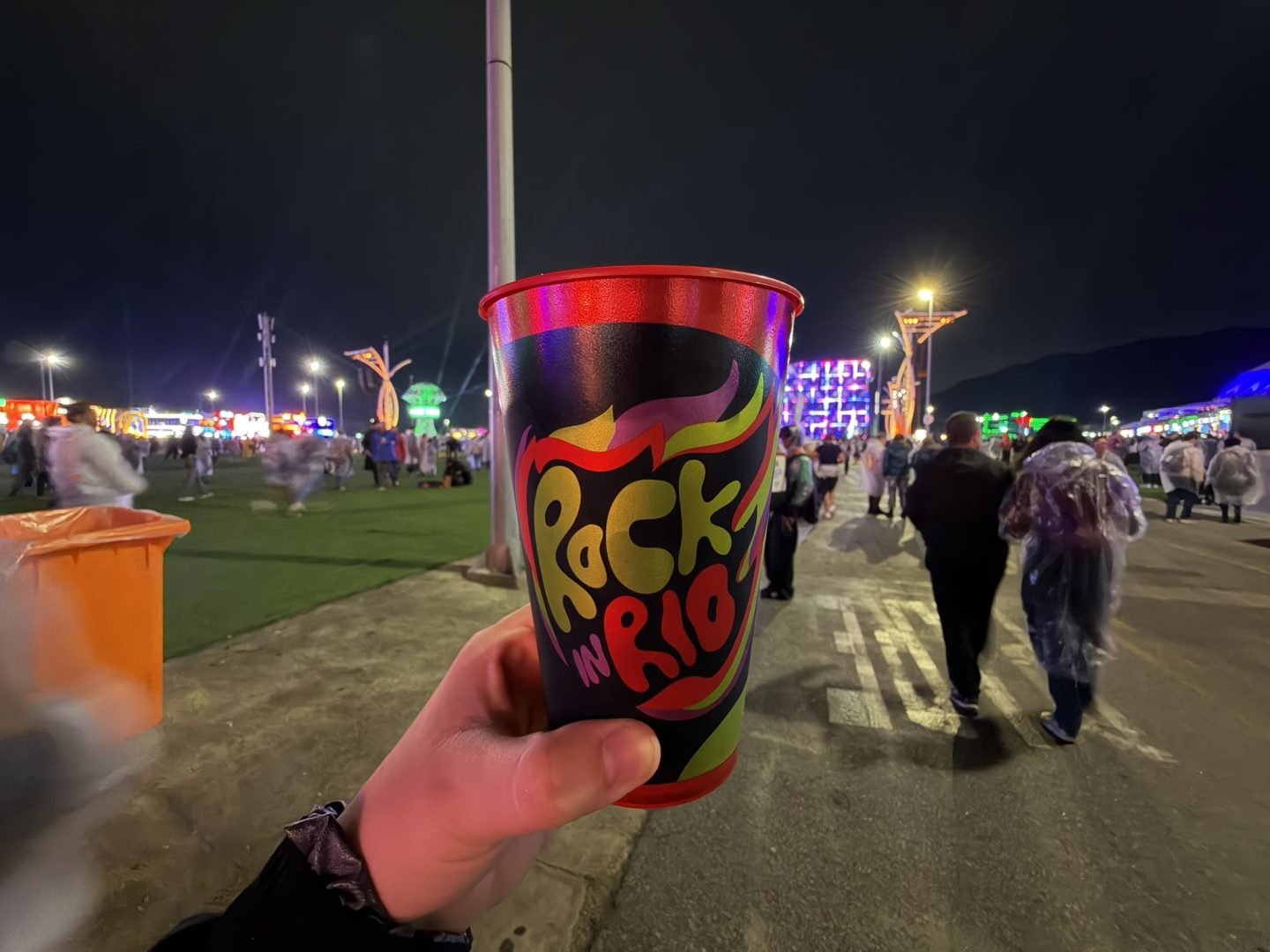
Drinks were served in reusable Rock in Rio cups, which you could keep and reuse during the festival. They also made an easy souvenir to take home.
There were plenty of food options across the site and, compared with what we are used to paying at large UK festivals, the overall spend felt noticeably more affordable.

What to Take to Rock in Rio
A portable charger would be high on my list. Your phone is needed for your digital ticket and will probably also be used for photos, payments and arranging your journey home. Portable chargers are allowed, although Rock in Rio limits them to roughly the size of a mobile phone.
You can also take a transparent plastic water bottle up to 500 ml, with free drinking water available inside Cidade do Rock. A lightweight raincoat is allowed too, but umbrellas are not, so check the forecast before leaving your hotel. Sunscreen up to 100 ml and sunscreen sticks are permitted, while sprays are prohibited.
If you want to bring your own snacks, Rock in Rio allows up to five food items per person, with sealed packaged food, cut fruit and sandwiches in soft transparent packaging among the recommended options.
There are quite a few restrictions that are useful to know before you arrive. Metal and glass bottles, thermal cups, aerosols, umbrellas, selfie sticks and professional cameras with detachable lenses are among the items that cannot be taken inside, so check the current prohibited items list before packing.
I would also carry photo ID. We were not asked to show ours when we entered, but Rock in Rio’s official terms state that attendees should have photo identification with them in case it is requested.
Lockers are available inside Cidade do Rock and can be reserved through the Rock in Rio app. Recent lockers have also included USB and USB C charging points, which is useful if you would rather leave some of your things securely stored during the day.
Top Tips for Rock in Rio
Plan the journey home before arriving. Cidade do Rock is a long way from Copacabana and Ipanema, and transport becomes much more important once tens of thousands of people start leaving at the same time.
Download the Rock in Rio app before you go and check the schedule for your day. With seven stages, rides, shops and other things happening across the site, it helps to know which performances you do not want to miss while leaving enough time to explore between them.
If your chosen date has sold out, you may still see tickets appearing on resale platforms. Ours were successfully transferred into Quentro and worked without any problems, but Ticketmaster is the only official Rock in Rio seller, so buying elsewhere carries a risk.
Keep your phone charged throughout the day. Between your digital ticket, the festival app, payments, photos and arranging transport afterwards, you will probably use it far more than you expect.

