There are some countries where souvenir shopping means choosing between magnets and postcards. Uruguay is not one of them.
So many of the things that define the country, from mate and Tannat to dulce de leche and football, are also things you can take home with you. We had a local friend in Montevideo who talked us through some of the better things to buy, which was particularly useful when we discovered that something as seemingly simple as buying a mate comes with a surprising number of decisions.
Here are the Uruguayan souvenirs I would actually make space for in your suitcase.
This post contains ads and affiliate links, which help cover the running costs of this blog at no extra cost to you.
1. A mate set
When I say mate, I mean the whole set-up: the cup or gourd itself, the bombilla metal straw, a packet of yerba mate and, ideally, a flask for the hot water.
Mate is one of the most recognisable parts of everyday life in Uruguay. People carry it everywhere, regularly topping up the same yerba with hot water throughout the day, and Uruguay’s tourism board describes it as one of the country’s most typical cultural traditions.
Fortunately, we had a local friend who lent us his mate to try and then talked us through the best options for buying our own.
The most traditional choice is a calabash gourd, often wrapped in leather and finished with metal detailing. They look beautiful, but natural gourds require curing and more ongoing care, which quickly made us realise it probably wasn’t the most practical first mate.
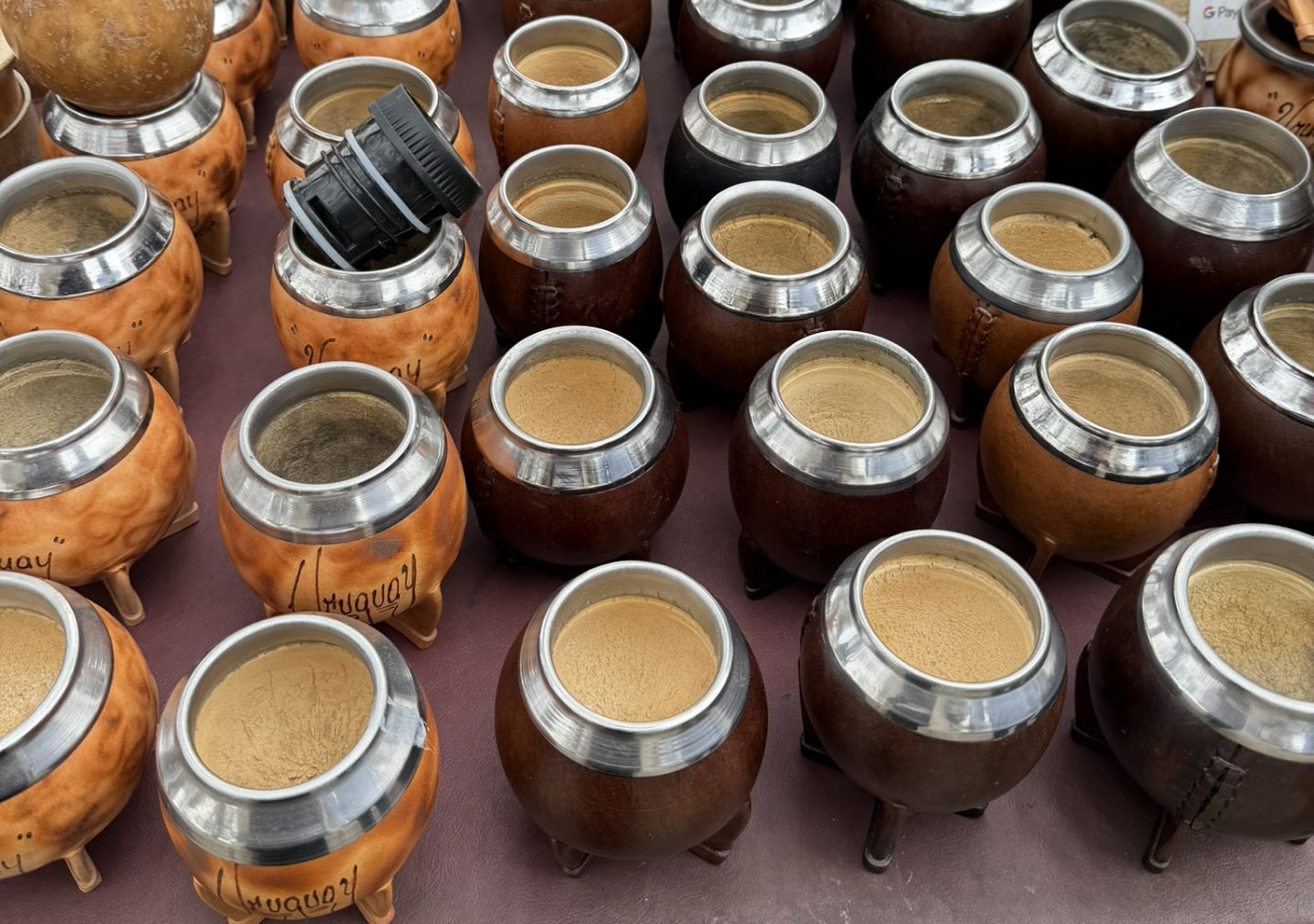
A ceramic-lined mate gives you much of the traditional appearance without the curing or maintenance. It’s more breakable, but probably the most beginner-friendly option if you actually intend to use it.
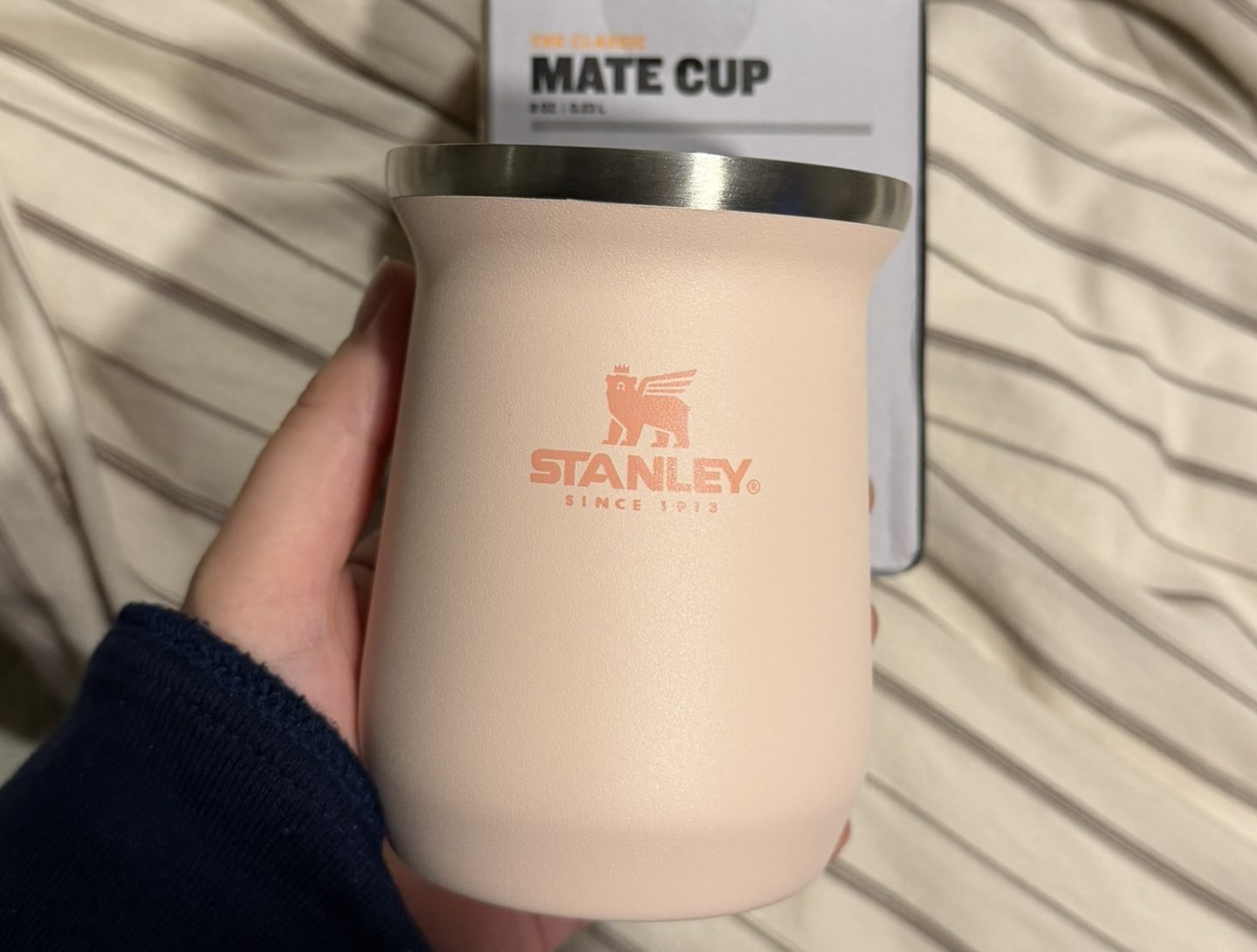
Then there is stainless steel, which is the easiest to clean and maintain. Stanley fans will be pleased to know the brand has a huge following here; when we visited, colourful mate cups and matching flasks seemed to be everywhere.
Don’t overlook the bombilla either. It’s not simply a metal straw: the bottom acts as a filter to stop the yerba coming through. Common versions include spoon-shaped and spring filters.
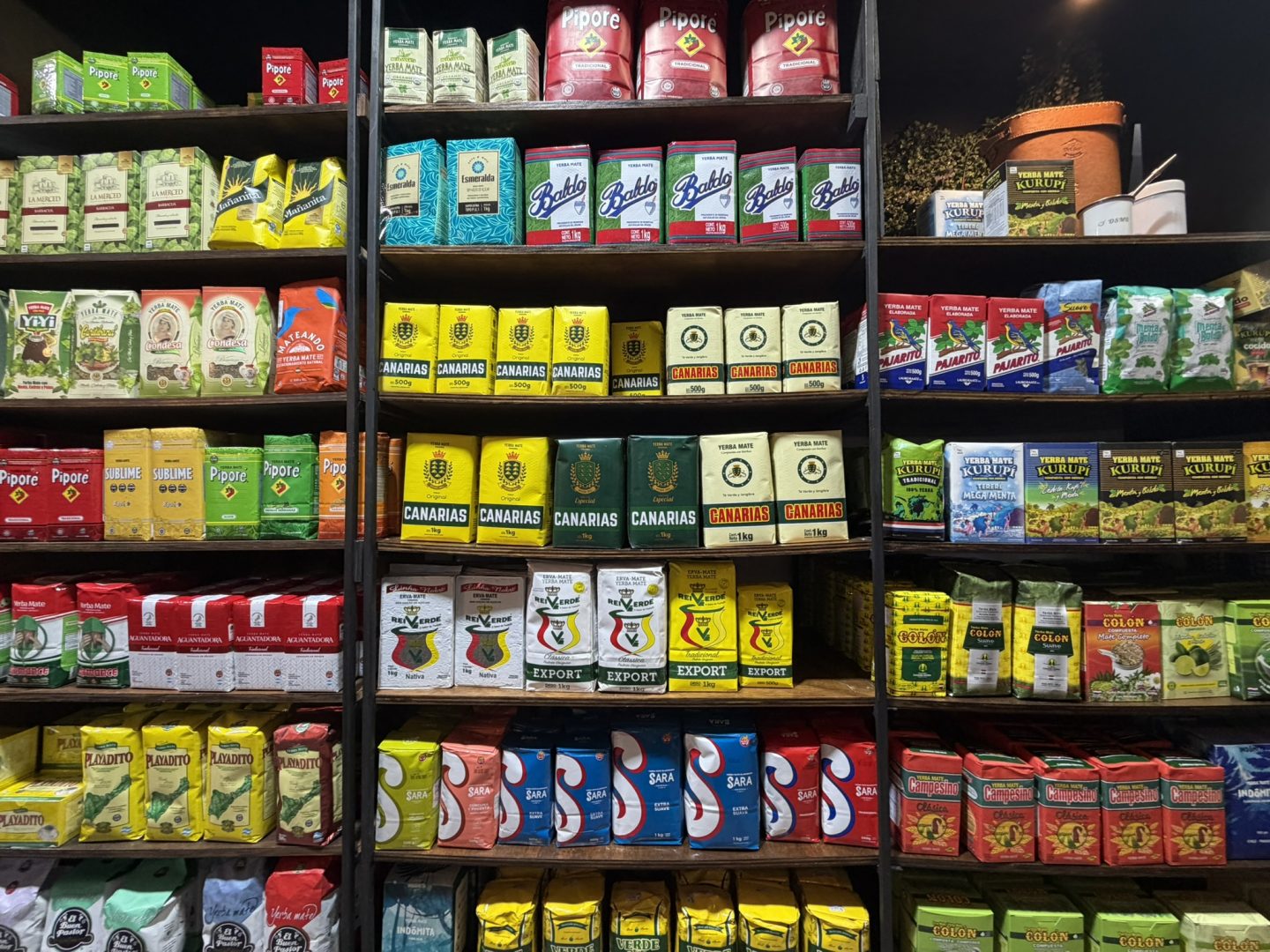
Finally, choose your yerba. Uruguayan-style yerba is generally much more finely milled than the Argentine style, with more small leaf and powder and fewer obvious stems, giving it a stronger flavour and requiring a good filter in the bombilla.
If you want to understand the ritual before buying your own set, you can also learn how to prepare and drink mate with a local in Montevideo.
If you’re only going to buy one genuinely Uruguayan souvenir, I’d make it this.
2. Tannat wine
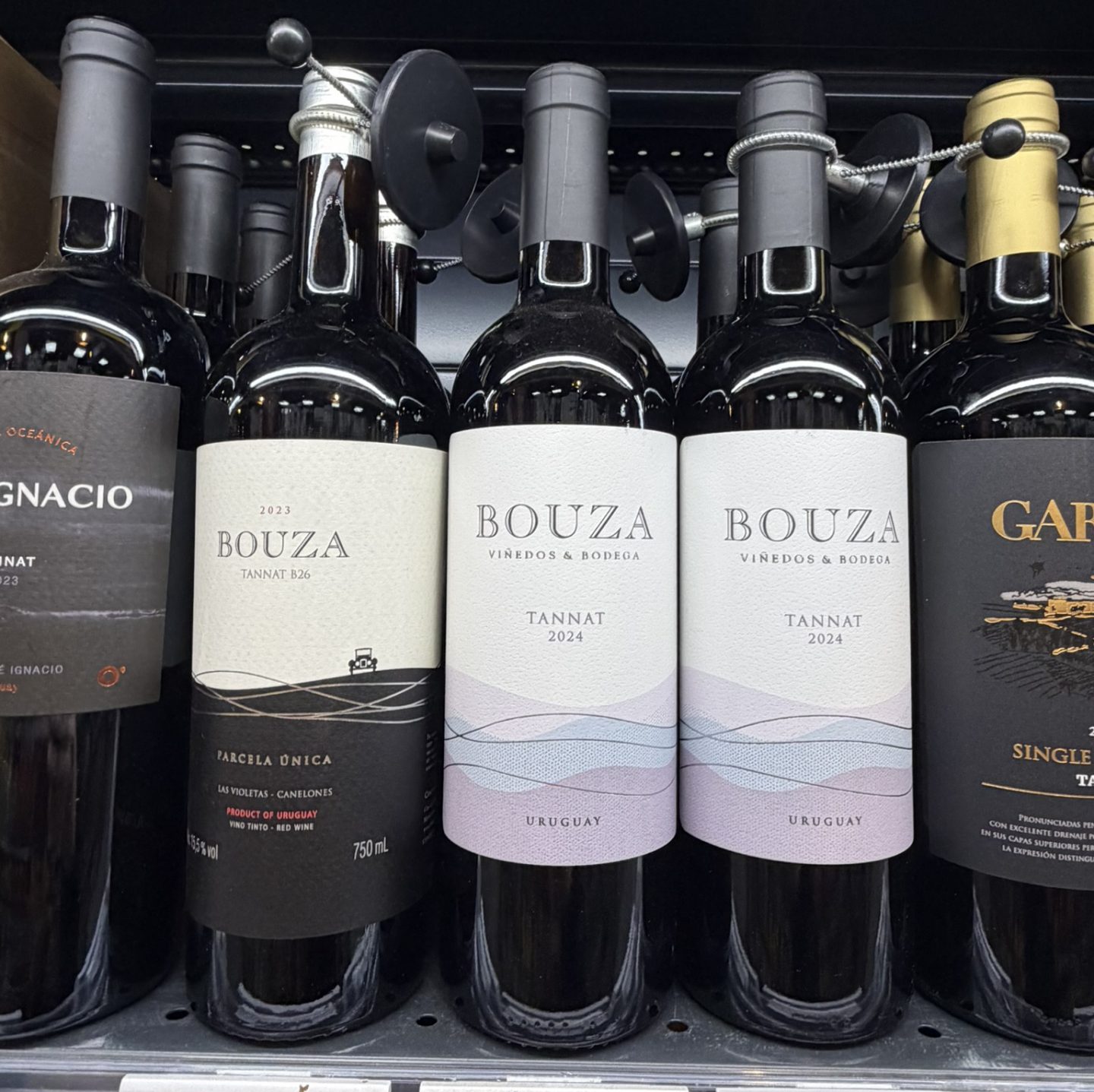
If you would rather bring home something you can drink without learning an entirely new ritual, buy a bottle of Tannat.
Originally from southwest France, Tannat arrived in Uruguay with Basque immigrants in the 1870s and went on to become the country’s signature wine grape. Today it accounts for around 27% of Uruguay’s vineyards, and Uruguay produces more Tannat wine than any other country.
Better still, visit a winery and choose your bottle after tasting it there. We visited Bodega Bouza near Montevideo, while Uruguay also has extensive wine routes through Canelones and Carmelo. If you’d like to visit more than one producer, this two-winery tour from Montevideo includes wine tastings, lunch and transfers, so you can choose what to bring home after trying the wines first.
If suitcase space is limited, I’ve also included tips on where to buy some of the wines back home in my Best Wine Regions to Visit Around the World guide.
If you’re spending time in the capital, I’ve covered our visit to Bouza and other ways to experience Uruguay’s wine scene in my guide to the best things to do in Montevideo.
3. Alfajores
Alfajores are one of the easiest souvenirs to buy because you’ll find them almost everywhere, from bakeries and cafés to petrol stations, kiosks and supermarkets.
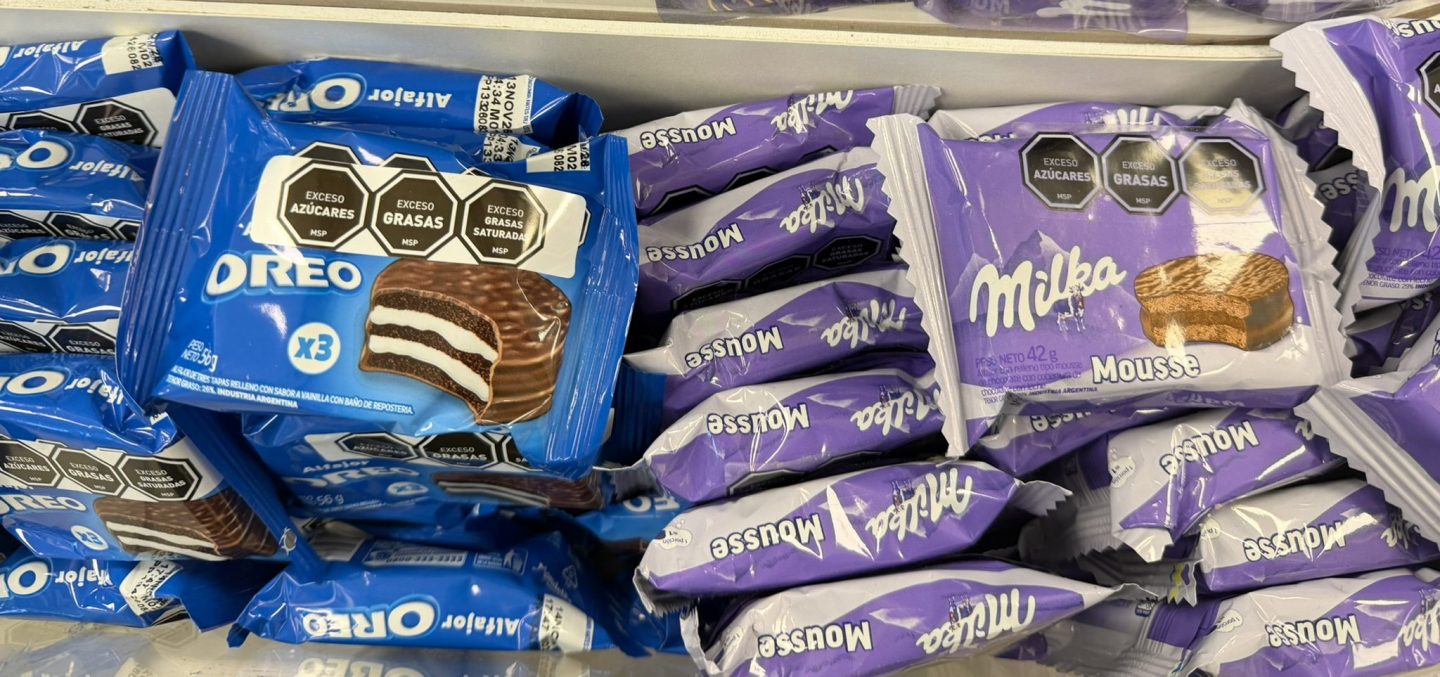
The basic idea is simple: two biscuits sandwiched around a filling, most commonly dulce de leche, then coated in chocolate, meringue or icing. We even spotted Oreo and Milka versions alongside more traditional brands.
I personally preferred the Argentine alfajores we tried later in the trip, particularly Havanna’s Playa Bristol. The fact it shares a name with my home city was a bonus, but unfortunately once I’d tried that one, every alfajor afterwards had a fairly high bar to clear.
For a genuinely Uruguayan souvenir, however, use the opportunity to pick up local brands and conduct your own taste test.
4. Dulce de leche
If alfajores aren’t enough dulce de leche for you, buy a jar of the real thing.
Dulce de leche is made by slowly cooking milk and sugar until it becomes thick, creamy and caramel coloured. Although it has a caramel-like flavour, it isn’t simply caramel: the milk is fundamental to both its texture and flavour.
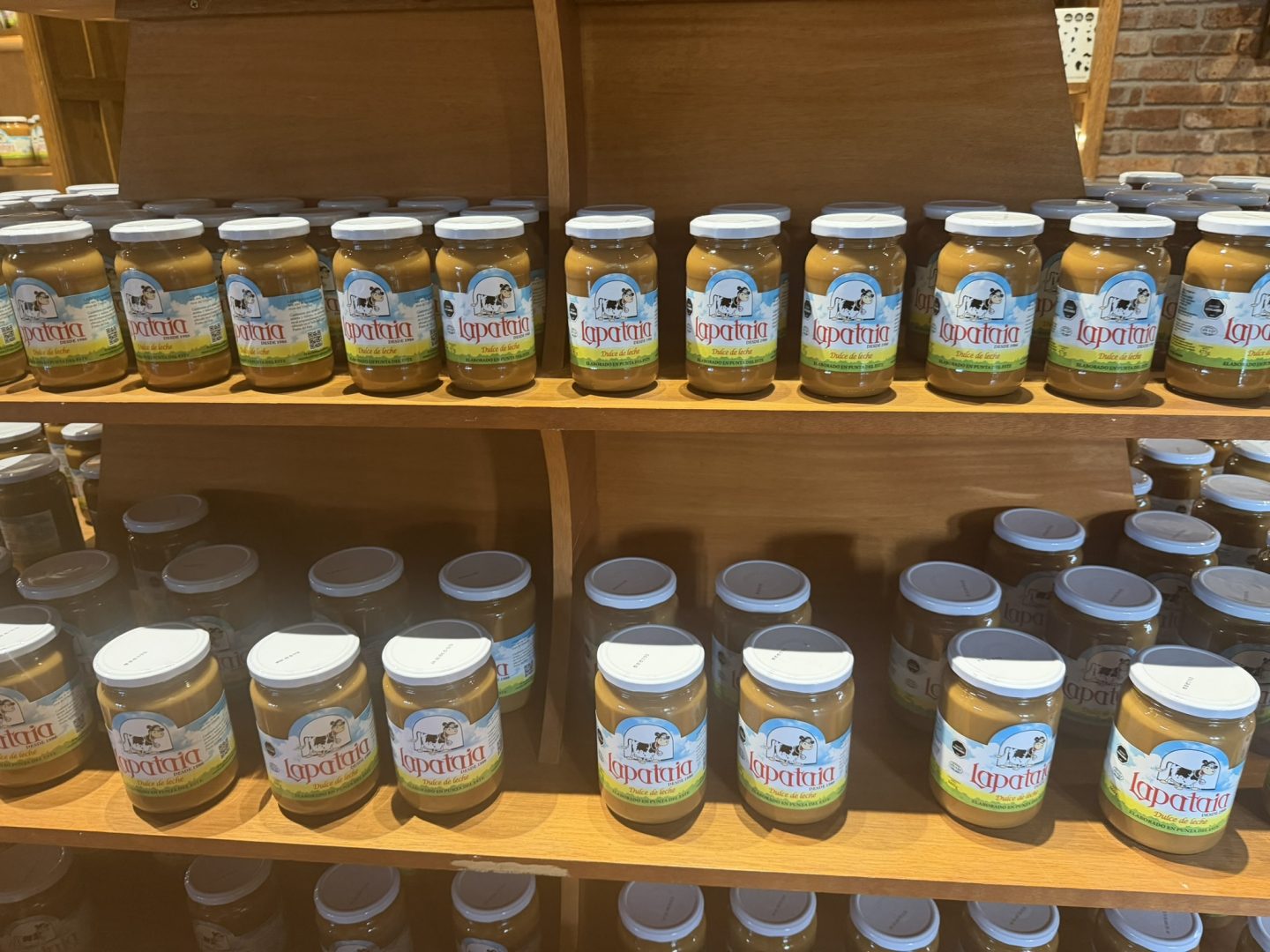
Uruguay’s dairy farming makes this an especially good place to buy it. At some tambos, or dairy farms, you can visit the farm and buy products directly. If you’re heading towards Punta del Este, Lapataia traces its dulce de leche production back to 1986 and welcomes visitors at its Punta del Este property.
Narbona is another name to look out for. The family business is better known to visitors for its winery and restaurants, but dulce de leche is one of its signature products. Its dulce de leche repostero won gold in its category at the 2025 Uruguayan Dulce de Leche Competition.
5. Uruguayan confectionery
Alfajores are only the beginning. One particularly Uruguayan sweet to look for is Ricardito, a biscuit base topped with meringue and covered in chocolate. The original product briefly disappeared when production stopped in 2023, but it returned to shops under Uruguayan chocolatier Haas in 2024 and is still being produced.
Also look out for garrapiñada, sugar-coated peanuts traditionally sold in small bags, and Zabala, an old Uruguayan dulce de leche sweet.
Supermarkets are one of the best places for this sort of souvenir.
6. Adobo and chimichurri blends
For something lighter and much easier to pack than wine, head for the spice aisle.
Adobo criollo is a traditional Uruguayan seasoning mix used particularly for meat and other savoury dishes, commonly combining herbs and spices such as oregano, thyme, cumin and chilli. You’ll also find dried chimichurri blends, which can be mixed with oil and vinegar at home and are an easy way to recreate some of the flavours of an Uruguayan asado without transporting half a barbecue in your suitcase.
They’re inexpensive, lightweight and actually useful once you’re home, which arguably makes them one of the best-value souvenirs on this list.
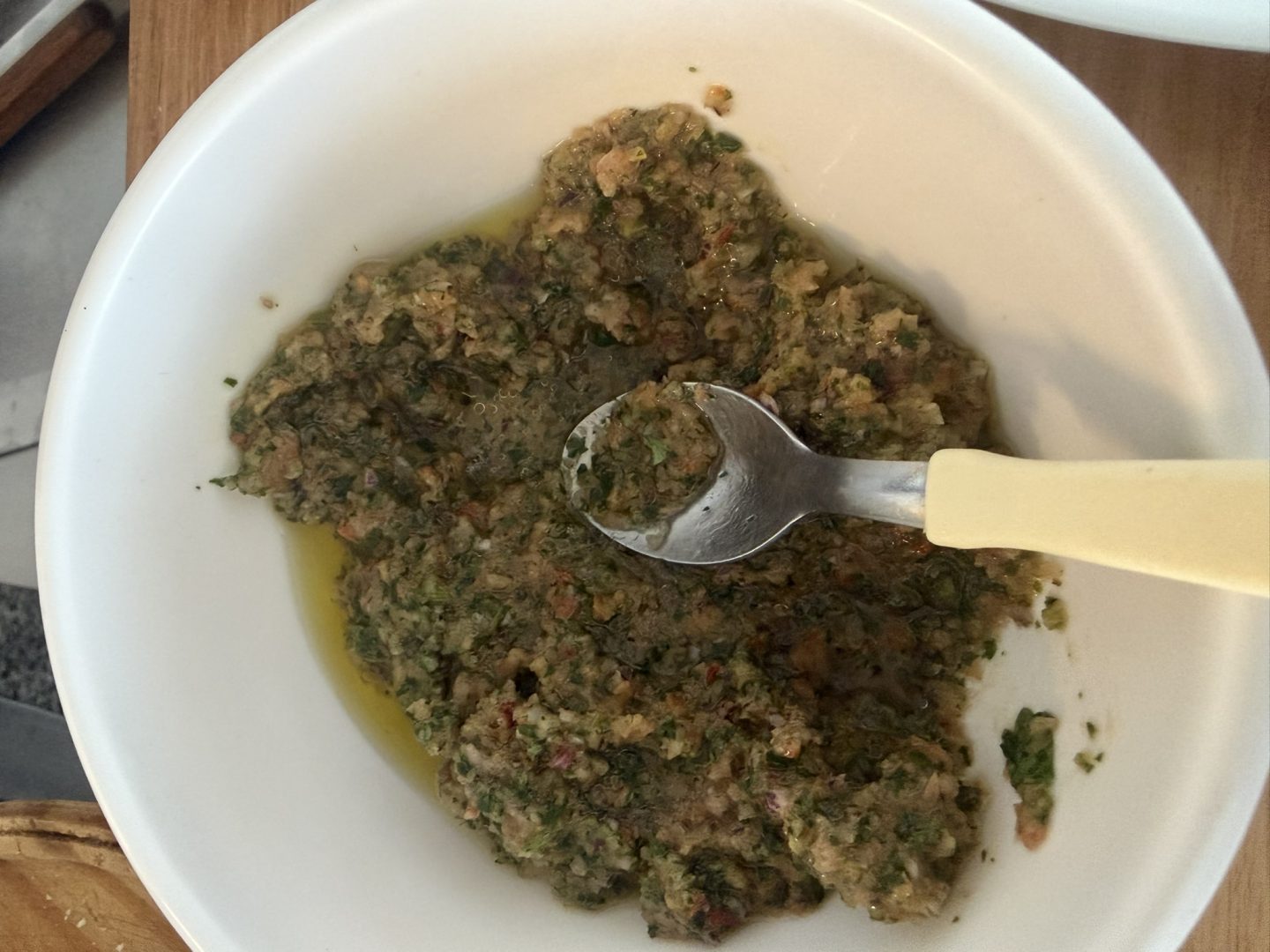
A bowl of chimichurri
7. A Uruguay football shirt
Football is almost impossible to separate from Uruguayan identity.
The national team is known as La Celeste, referring to its distinctive sky-blue shirt, and a Uruguay football shirt is one of the most obvious souvenirs for anyone remotely interested in the sport.
It has added significance if you visit Estadio Centenario in Montevideo, built for the inaugural FIFA World Cup in 1930, which Uruguay went on to win.
You can go for the full national shirt or something subtler such as a cap, scarf or retro football print if you don’t see yourself walking around at home in a football kit.
You can read more about visiting Estadio Centenario and the Football Museum in my Montevideo travel guide, alongside the other sights and experiences I’d recommend in the city.
8. Prince of Wales tea
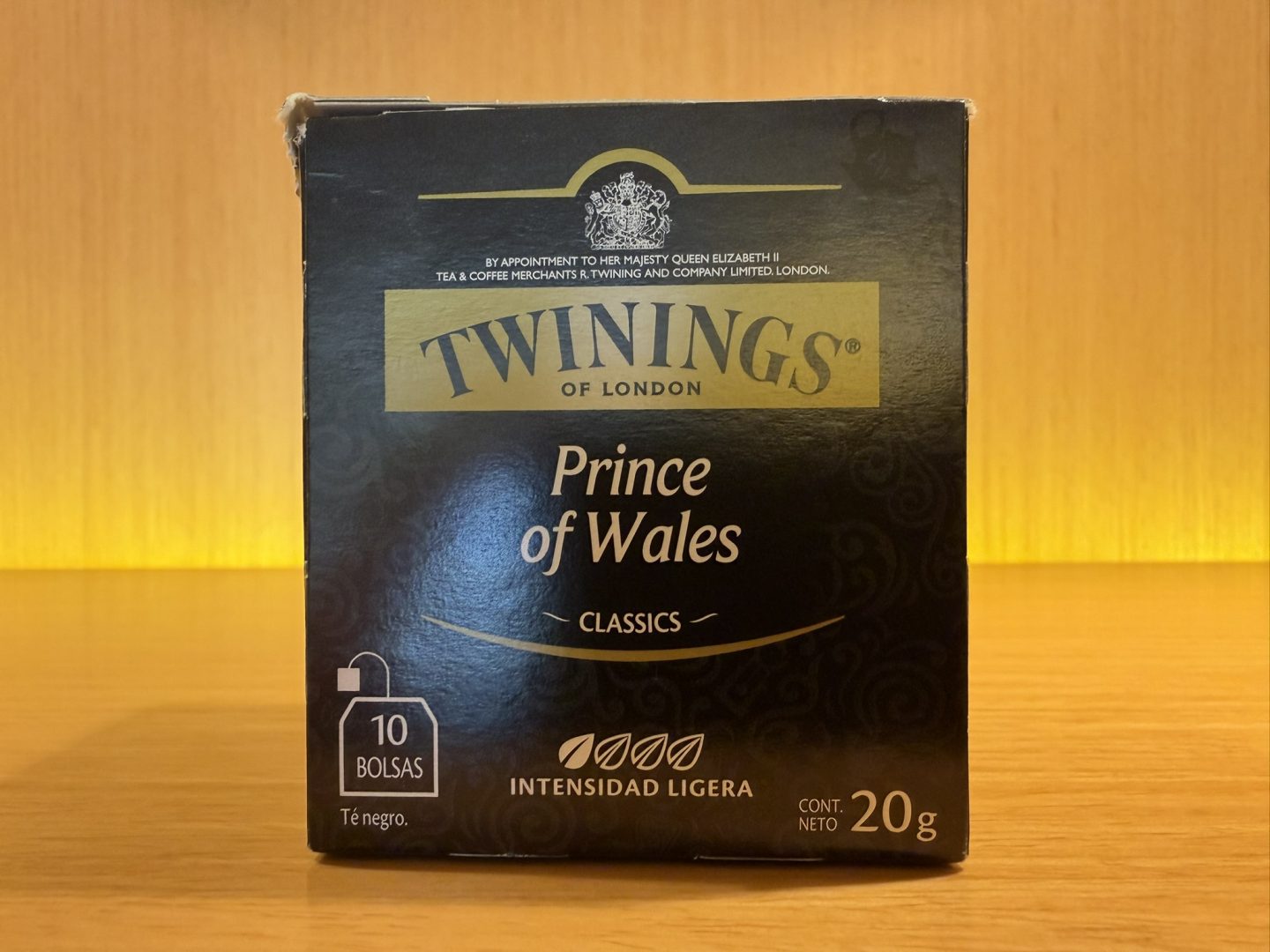
This is admittedly a very niche recommendation and speaks particularly to my fellow British travellers. While hunting for normal breakfast tea in a Uruguayan supermarket, I came across Twinings Prince of Wales. I’d never noticed it at home, so naturally I Googled it.
Twinings created the blend in 1921 for the then Prince of Wales, later Edward VIII. When he became king in 1936, the tea was withdrawn from sale in Britain. Today, it is still sold in international markets even though Twinings does not normally sell it in the UK.
Is it remotely Uruguayan? No. Did I find it in Uruguay and think it was an unexpectedly good souvenir to take back to Britain? Absolutely.
9. Grappamiel
If you want to bring home a spirit, I’d look for grappamiel rather than Fernet.
Fernet is widely consumed across the Río de la Plata, but grappamiel has a much stronger specifically Uruguayan connection. It combines grappa with honey and is produced by a number of traditional Uruguayan wineries and distillers; Montevideo tourism promotions even feature grappamiel alongside wine and mate as local products.
Where to buy souvenirs in Montevideo
You don’t need to spend your trip hunting for dedicated souvenir shops. Food and drink souvenirs such as alfajores, yerba, spices and dulce de leche are often easiest to pick up in supermarkets, while local markets and craft shops are better for mate sets, textiles and football memorabilia.
For wine and dulce de leche, however, buying directly from a winery or producer gives you both a better story and the opportunity to taste before deciding what deserves the precious suitcase space.
What is the best souvenir to buy in Uruguay?
If I had to choose just one, it would be a mate set. It’s useful, instantly recognisable as Uruguayan and tied to something you will see people doing every day while travelling through the country. For something edible, I’d choose Tannat wine or dulce de leche, while alfajores are the easiest option if you’re buying inexpensive gifts for several people.
Just check your airline baggage allowance and your home country’s rules for bringing food and alcohol back before filling the suitcase.

