Buenos Aires was our first stop in Argentina, and it didn’t take long for the city to deliver exactly what we had hoped for: late nights, tango, huge steaks, historic neighbourhoods and an almost unreasonable amount of alfajores.
It’s a big city, from the grand architecture around Plaza de Mayo and Recoleta to colourful La Boca, cobbled San Telmo and the restaurants and bars of Palermo. We spent several days exploring Buenos Aires before flying west to Mendoza and eventually south to El Calafate. For a first visit, I’d allow four to five days to see the main neighbourhoods, fit in a tango night and leave room for plenty of long lunches and late dinners.
If you’re planning a similar route, see my full 7-day Argentina itinerary: Buenos Aires, Mendoza & El Calafate.
This post contains affiliate links and display advertising. If you make a purchase through one of our links, we may earn a small commission at no extra cost to you, which helps support the running of this blog.
Explore central Buenos Aires and Puerto Madero
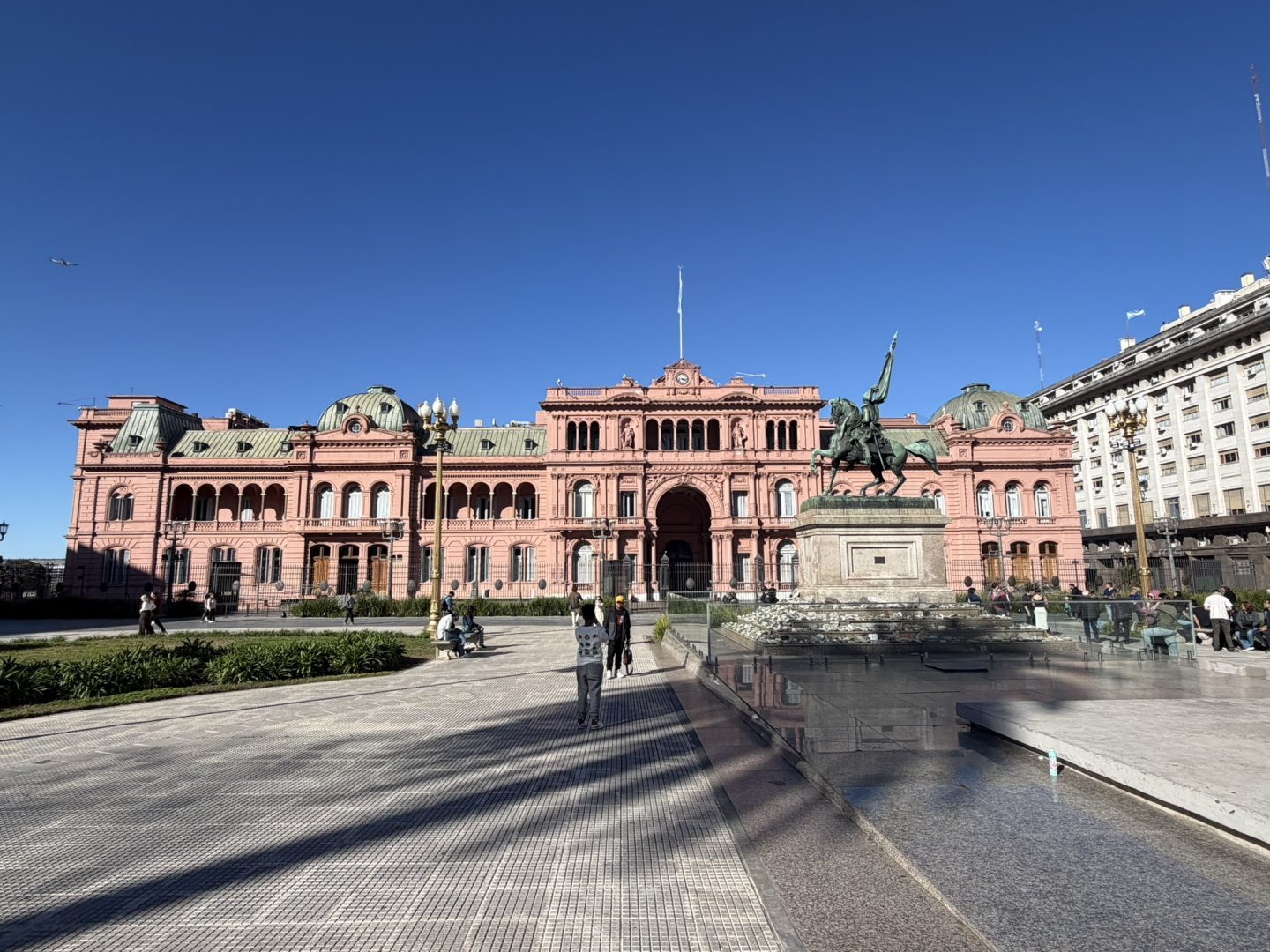
Start around Plaza de Mayo, where several of the city’s best-known historic buildings sit around the same square. The unmistakable pink façade of Casa Rosada faces the plaza, with the Metropolitan Cathedral and Cabildo nearby. From here, continue along Avenida de Mayo towards Avenida 9 de Julio and the Obelisk, one of the landmarks you’ll repeatedly find yourself using to work out where you are in central Buenos Aires.
You can also continue towards Puerto Madero, the regenerated docklands beside the Río de la Plata. Former warehouses now sit alongside modern towers, restaurants and the distinctive Puente de la Mujer. Nearby Teatro Colón is another of the city’s major landmarks. The opera house dates from 1908 and is known for its elaborate interior and acoustics, with guided tours available if you want to see beyond the façade.
Spend Sunday in San Telmo
If your dates allow it, save San Telmo for Sunday. It’s one of Buenos Aires’ oldest neighbourhoods, with cobbled streets, historic buildings, antique shops and cafés, but Sunday is when the Feria de San Telmo takes place.
Stalls spread around Plaza Dorrego and along the surrounding streets selling antiques, records, art, crafts and seemingly anything else that can fit on a market table. You’ll also often find musicians and tango performers around the neighbourhood. Leave time for Mercado de San Telmo while you’re there. The historic market now combines produce and traditional stalls with restaurants, cafés and places to grab lunch.
Start your morning at Atis Bar, set inside a former convent on Perú Street. Near the corner of Defensa and Chile, you’ll find the statue of Mafalda, the much-loved Argentine comic-strip character created by Quino.
Explore El Zanjón de Granados
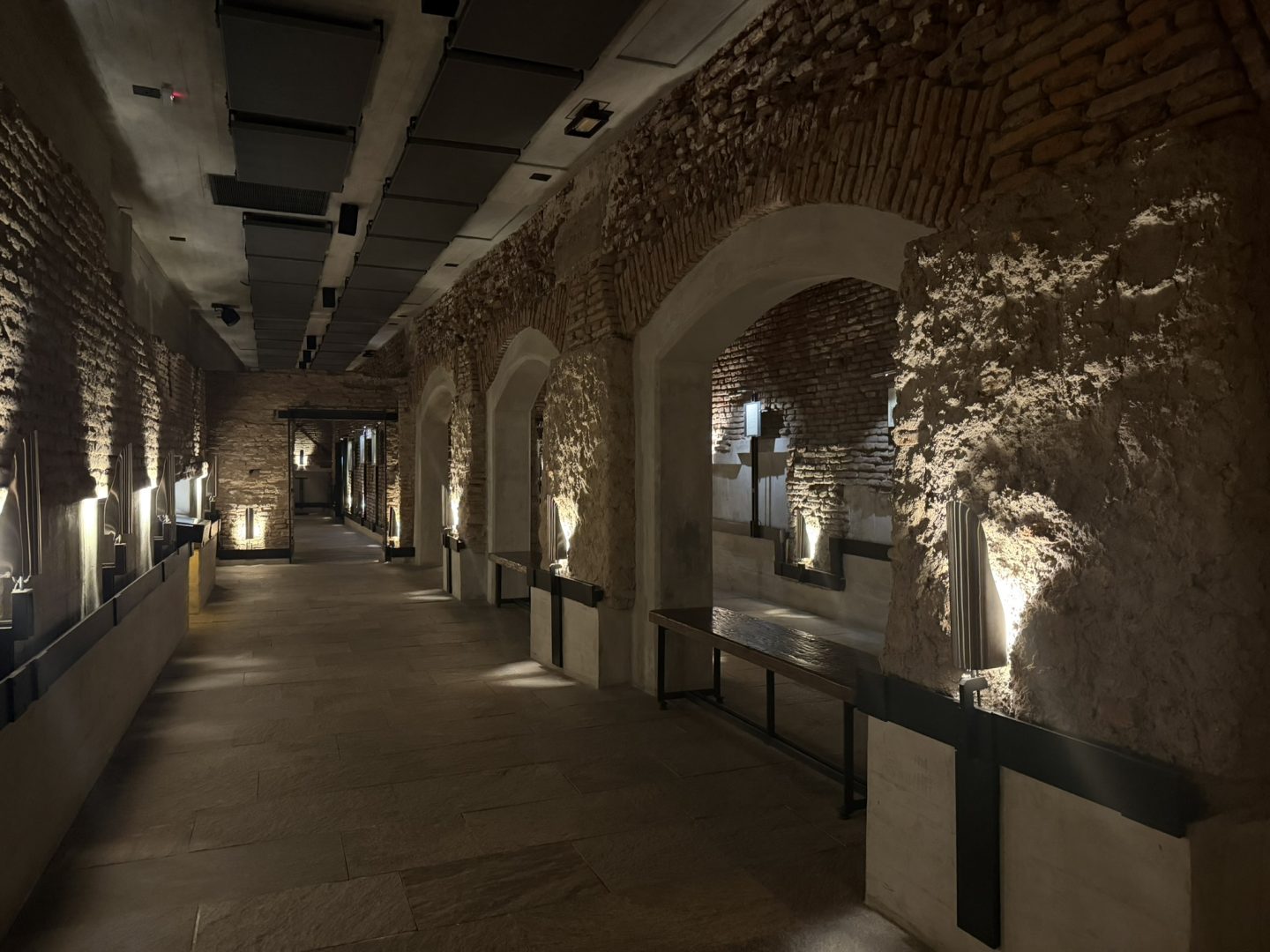
For something more unusual, join a guided tour of El Zanjón de Granados. It’s easy to miss while wandering San Telmo, but the short tour takes you underneath the neighbourhood through brick tunnels and archaeological remains, following the old watercourse that once ran through this part of Buenos Aires. It is a far more interesting way to understand San Telmo’s history than simply looking at the buildings from the street.
Experience tango in Buenos Aires
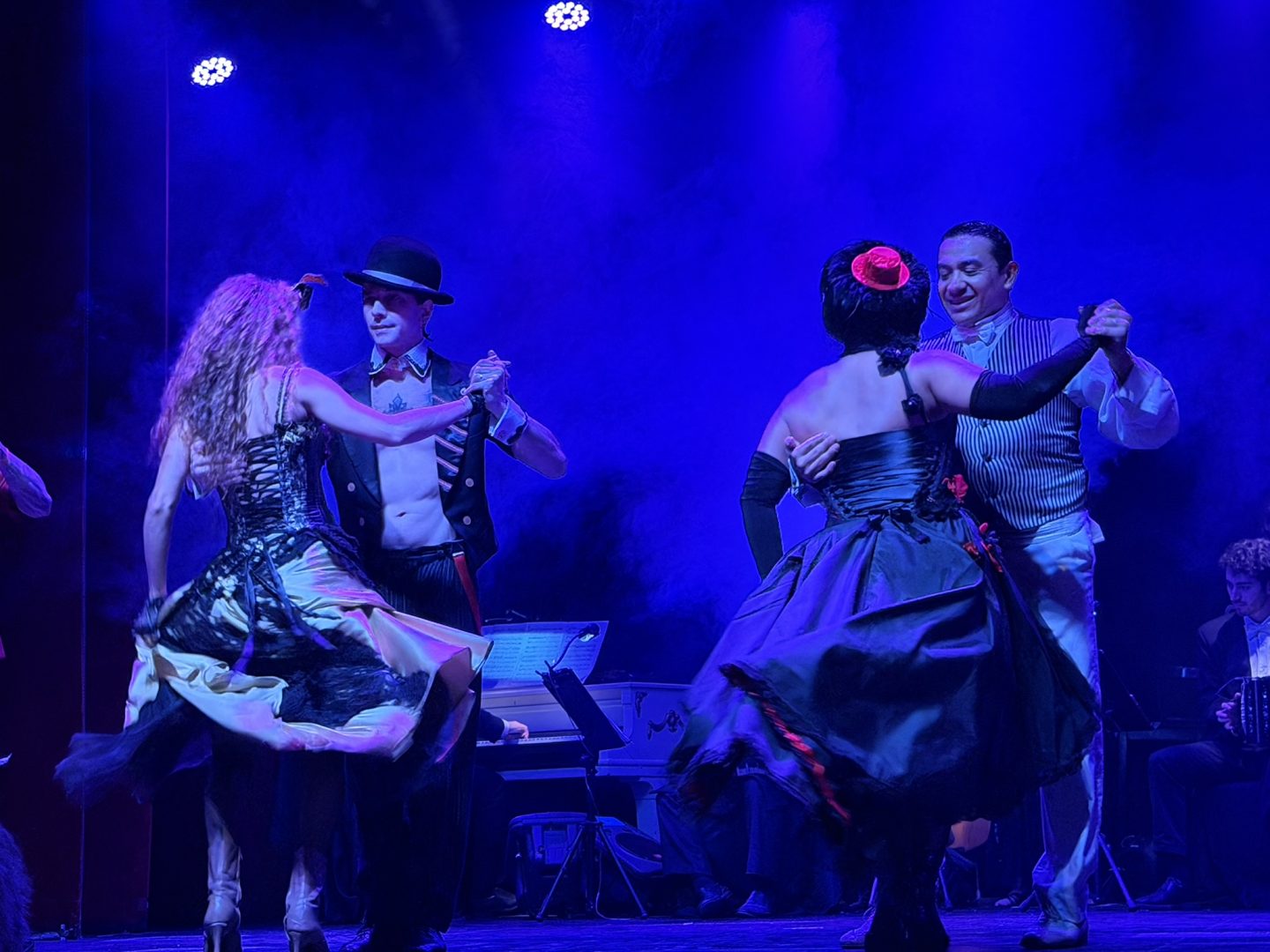
Tango developed around the Río de la Plata in the late 19th century, particularly in the working-class neighbourhoods of Buenos Aires and Montevideo. It went on to become one of Argentina’s most recognisable cultural traditions, so we knew we had to see a live show in Buenos Aires.
We booked this full Piazzolla Tango experience inside the historic Galería Güemes, a beautiful theatre dating from 1915. Our evening started with a 25-minute tango lesson, followed by a three-course dinner with drinks before the main show. The production features live musicians, singers and dancers and is inspired by Astor Piazzolla, the Argentine composer who transformed traditional tango and helped pioneer nuevo tango.
It ended up being one of our favourite nights in Buenos Aires.
See La Boca and Caminito
La Boca is one of the most instantly recognisable parts of Buenos Aires. Its most famous street, Caminito, is lined with brightly painted corrugated buildings, restaurants, artists and tango performers. The colours are closely connected with the area’s port and immigrant history, when leftover paint from the shipyards was used on local homes.
Watch Boca Juniors at La Bombonera
La Bombonera is the home of Boca Juniors, one of Argentina’s biggest and most historic football clubs. Its nickname means “the chocolate box”, inspired by the stadium’s unusual shape, and its steep stands and tightly packed fans help make it one of the most famous atmospheres in world football.
Watching Boca there was one of our favourite experiences in Buenos Aires. Even if you’re not a football fan, the atmosphere is electric. Match tickets are difficult for visitors to buy independently, so we booked a Boca Juniors game through Airbnb experiences with transport and local guide. It included pick-up and return transport, plus a guide who stayed with us throughout the experience.

Explore Recoleta, from the cemetery to El Ateneo
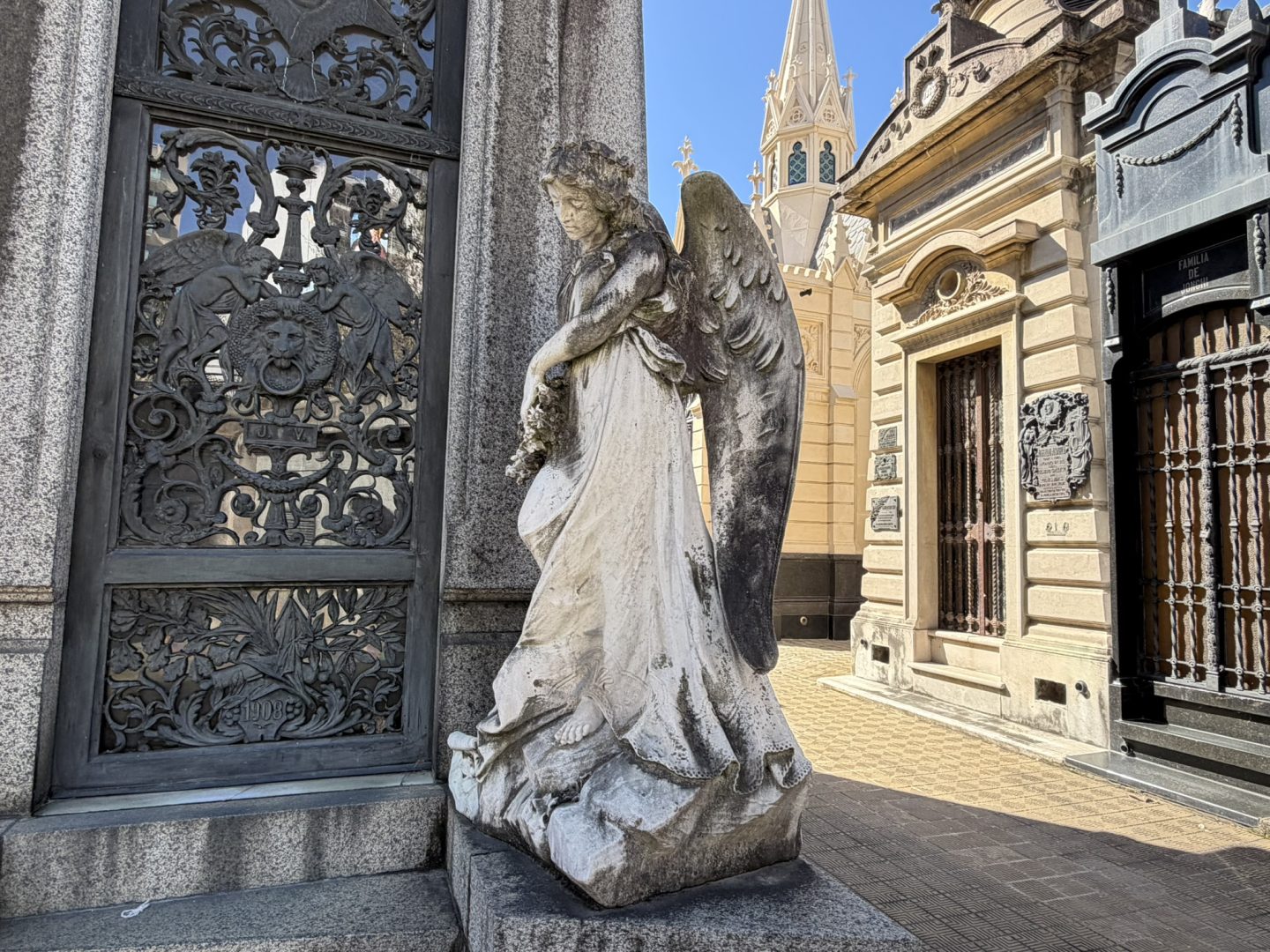
Recoleta has a much grander feel, with broad avenues, elaborate buildings, museums and cafés. The main draw is Recoleta Cemetery, where elaborate mausoleums and family tombs contain some of Argentina’s most prominent historical figures. The best known is Eva Perón, whose life inspired the musical Evita and whose tomb remains one of the cemetery’s most visited.
La Biela is a natural stop in Recoleta, with outdoor tables looking towards Plaza Francia and the huge Gomero de la Recoleta, believed to have been planted in 1781. The enormous rubber tree is supported by pillars and a sculpture of Atlas holding up one of its heaviest branches. Café Tortoni, the city’s oldest café, is another historic option in the centre.
If you happen to be in Recoleta over a weekend, check whether the market around Plaza Francia is running. It’s a good place to browse crafts, art and souvenirs before continuing through the surrounding museums, cafés and green spaces.
El Ateneo Grand Splendid
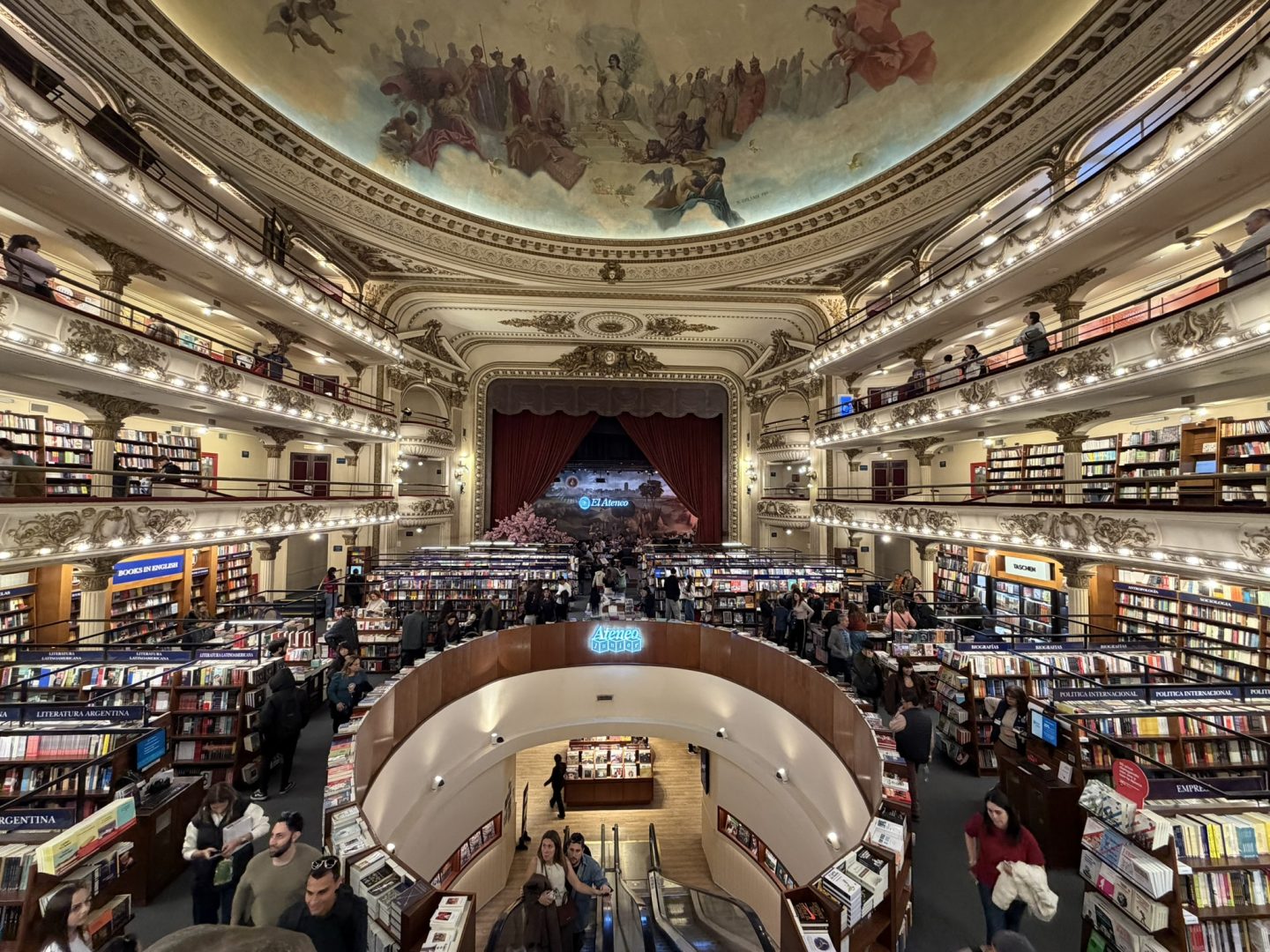
While you’re in this part of the city, continue to El Ateneo Grand Splendid. The building opened as the Grand Splendid theatre in 1919 before being converted into a bookshop in 2000, retaining its balconies, ornate decoration and former stage, which is now home to a café. It’s easily one of the most beautiful bookshops in the world, with English-language books, a café stop and plenty of Argentine titles to take home.
Spend an afternoon in Palermo
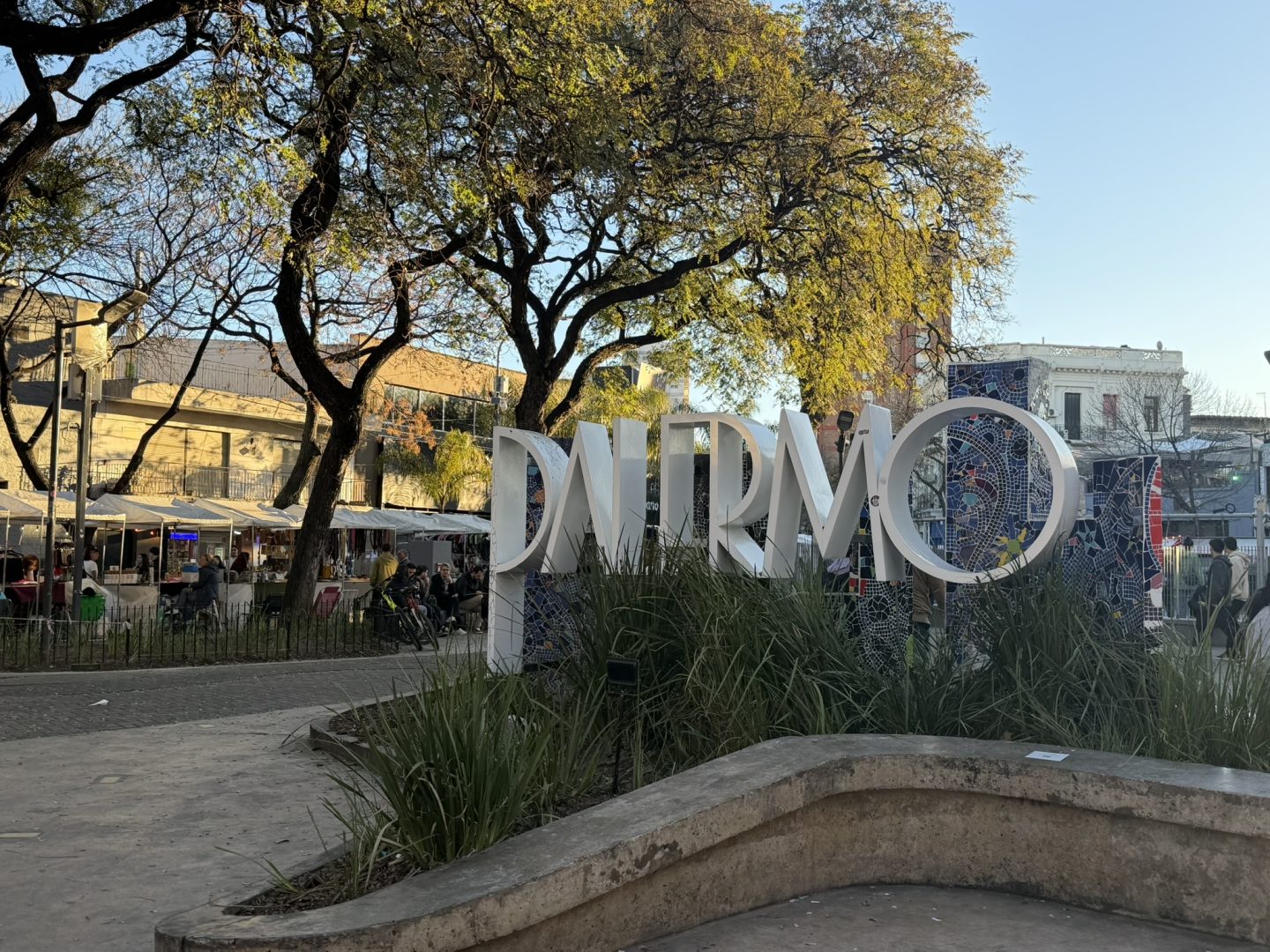
Palermo is known for restaurants, bars, cafés, independent shops and street art, particularly around Palermo Soho, while the wider neighbourhood also includes some of the city’s largest green spaces. It’s a good place to wander without much of a plan, stop for coffee, browse the shops and stay for dinner or drinks. If you’re there over a weekend, the markets around Plaza Serrano and Plaza Armenia add more stalls and activity to the area.
The wider neighbourhood also includes the Bosques de Palermo, with lakes, gardens and large green spaces if you want a break from the busier streets around Palermo Soho.
Eat your way around Buenos Aires
Food was a big part of our time in Buenos Aires, and steak is only the beginning.
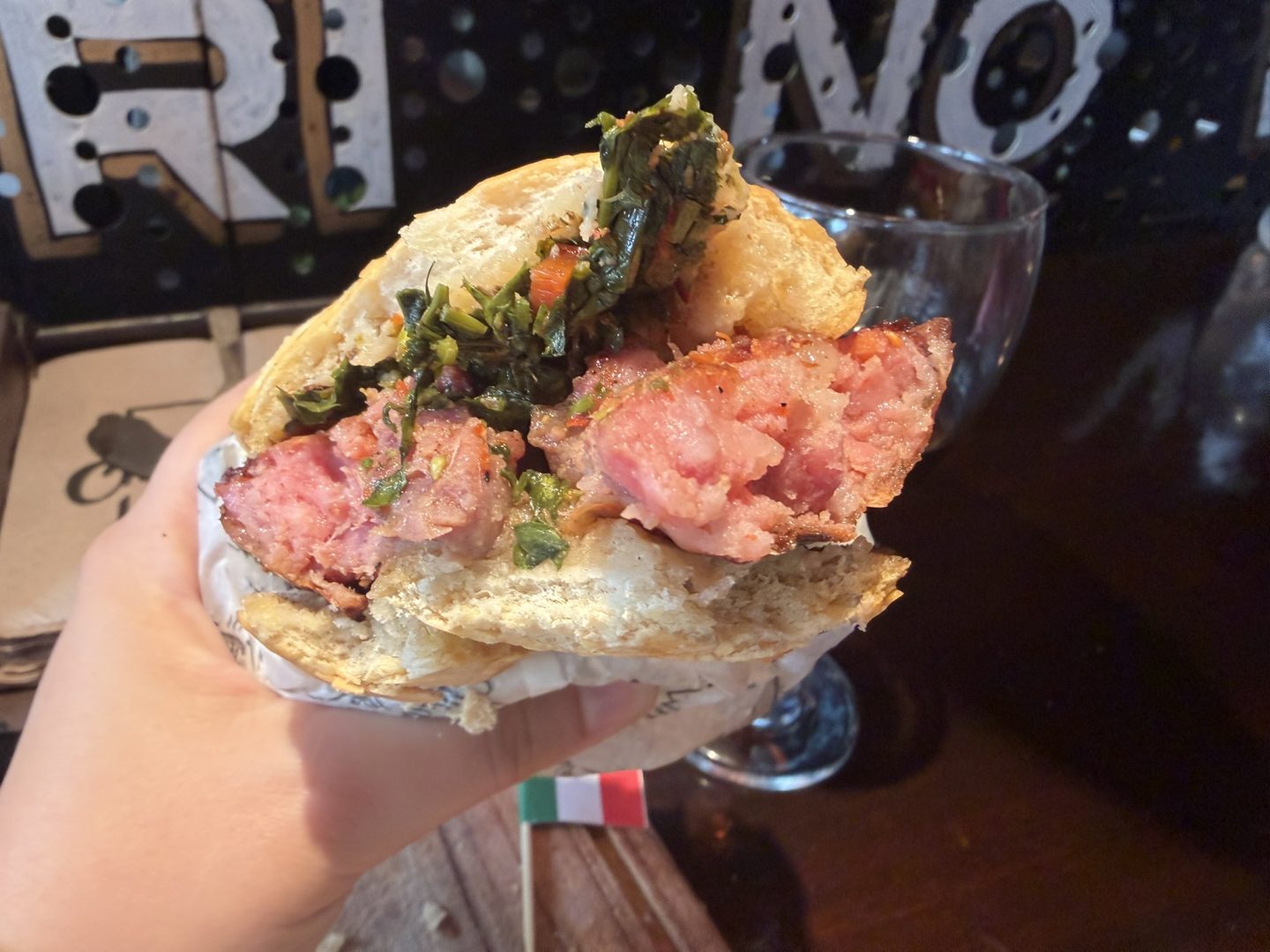
Asado is one of Argentina’s defining food traditions, built around cooking different cuts of meat slowly over fire and sharing the meal. In Buenos Aires, the easiest way to experience it is at a parrilla, where you can order everything from steak and sausages to ribs and other cuts straight from the grill.
There are famous steakhouses, and then there’s Don Julio. Named the world’s No.1 steak restaurant three times in a row, it also holds a MICHELIN Star and Green Star, so expectations were high when we got a lunchtime reservation on our final day in Buenos Aires. The beef is carefully selected and aged for each cut, cooked over white quebracho charcoal and paired with an exceptional cellar of Argentine wines.
Empanadas are everywhere in Buenos Aires, with beef, chicken, ham and cheese and humita among the most common fillings. It’s a good place to try several styles from across Argentina. Buenos Aires also has its own distinctive pizza culture, so look out for fugazzeta, a thick, cheese-heavy pizza topped or stuffed with onion, as well as milanesa, breaded meat served on its own, with chips or in an enormous sandwich.
Then there are the sweeter things. Dulce de leche appears in everything from cakes and ice cream to alfajores, and we tried far too many of the latter during the trip. Havanna is one of Argentina’s best-known brands, with Playa Bristol becoming my personal favourite.
Buenos Aires also has a long café culture, so leave room for a café con leche and medialunas, particularly in one of the city’s historic cafés. La Biela is a natural stop in Recoleta, while Café Tortoni is another famous option in the city centre. And if you still have space afterwards, Argentine helado is heavily influenced by Italian gelato and is taken almost as seriously as the steak.
How many days do you need in Buenos Aires?
I would allow four to five days for a first visit to Buenos Aires. That gives you time for the historic centre, San Telmo, La Boca, Recoleta and Palermo, as well as a tango evening and plenty of meals without trying to fit everything into one rushed weekend.
If you only have two or three days, prioritise the central sights, San Telmo, and either Recoleta or Palermo depending on whether you prefer grand architecture and museums or cafés, restaurants and bars.
Continuing through Argentina? My 7-day Argentina itinerary shows how to combine Buenos Aires with Mendoza and El Calafate. For the next stops, see my guides to the best things to do in Mendoza and El Calafate and Perito Moreno Glacier.

