El Calafate is one of the best bases for exploring Argentine Patagonia, with access to glaciers, wildlife, archaeological sites, estancias and some of the region’s most dramatic scenery. The town itself is compact and easy to navigate, but it opens onto a much bigger landscape shaped by ice, wind and thousands of years of human history.
El Calafate was our final stop on our 7-day Argentina itinerary across Buenos Aires, Mendoza & El Calafate. We came here primarily for the glacier, but El Calafate turned out to offer much more. Spend two full days in El Calafate: one for Perito Moreno Glacier and one for the town, Laguna Nimez. Here is exactly how we visited the glacier, what I would book again and what I would do differently next time.
This post contains ads and affiliate links, which help cover the running costs of this blog at no extra cost to you.
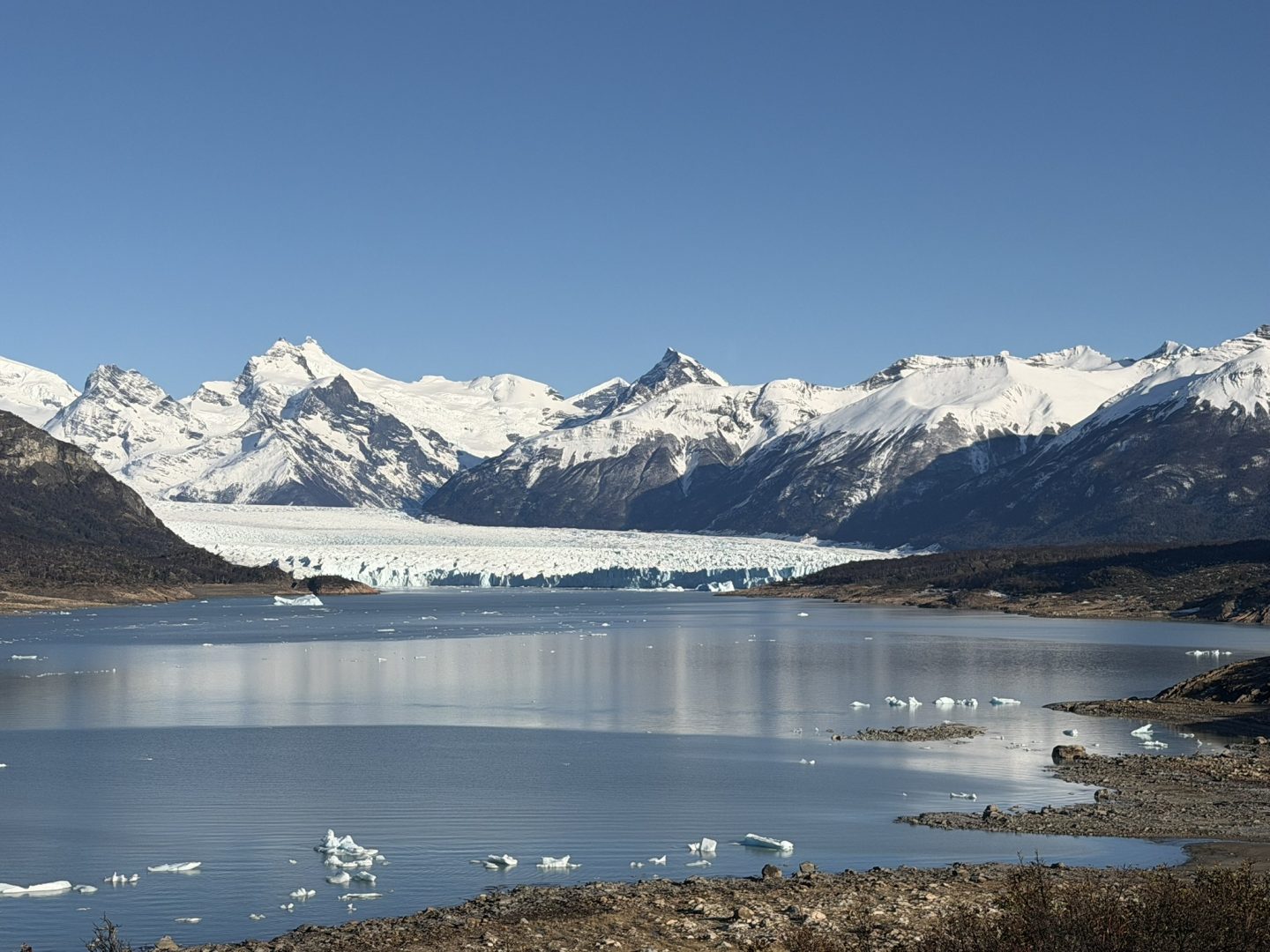
How many days do you need in El Calafate?
Two full days is enough to see Perito Moreno Glacier and experience a little more around El Calafate. Use one day for Perito Moreno Glacier and the other to explore town and choose an extra experience, whether that is Laguna Nimez, the Nativo Experience, the Glaciarium or an estancia.
Three days gives you more breathing room and also makes it possible to take an organised day trip to El Chaltén. It’s a long day, but worthwhile if this is your only chance to see Fitz Roy and the surrounding scenery.
The two towns serve different areas of Los Glaciares National Park: El Calafate is the gateway to the southern zone and Perito Moreno, while El Chaltén is the base for the northern zone and its famous hiking trails. They are around 220 km apart by road.
If hiking is a priority, though, I would stay in El Chaltén for at least one or two nights rather than travelling there and back from El Calafate in a day. The two towns are around 220 km apart, so a day trip is best treated as a sightseeing option rather than a proper hiking stay.
Where to stay in El Calafate
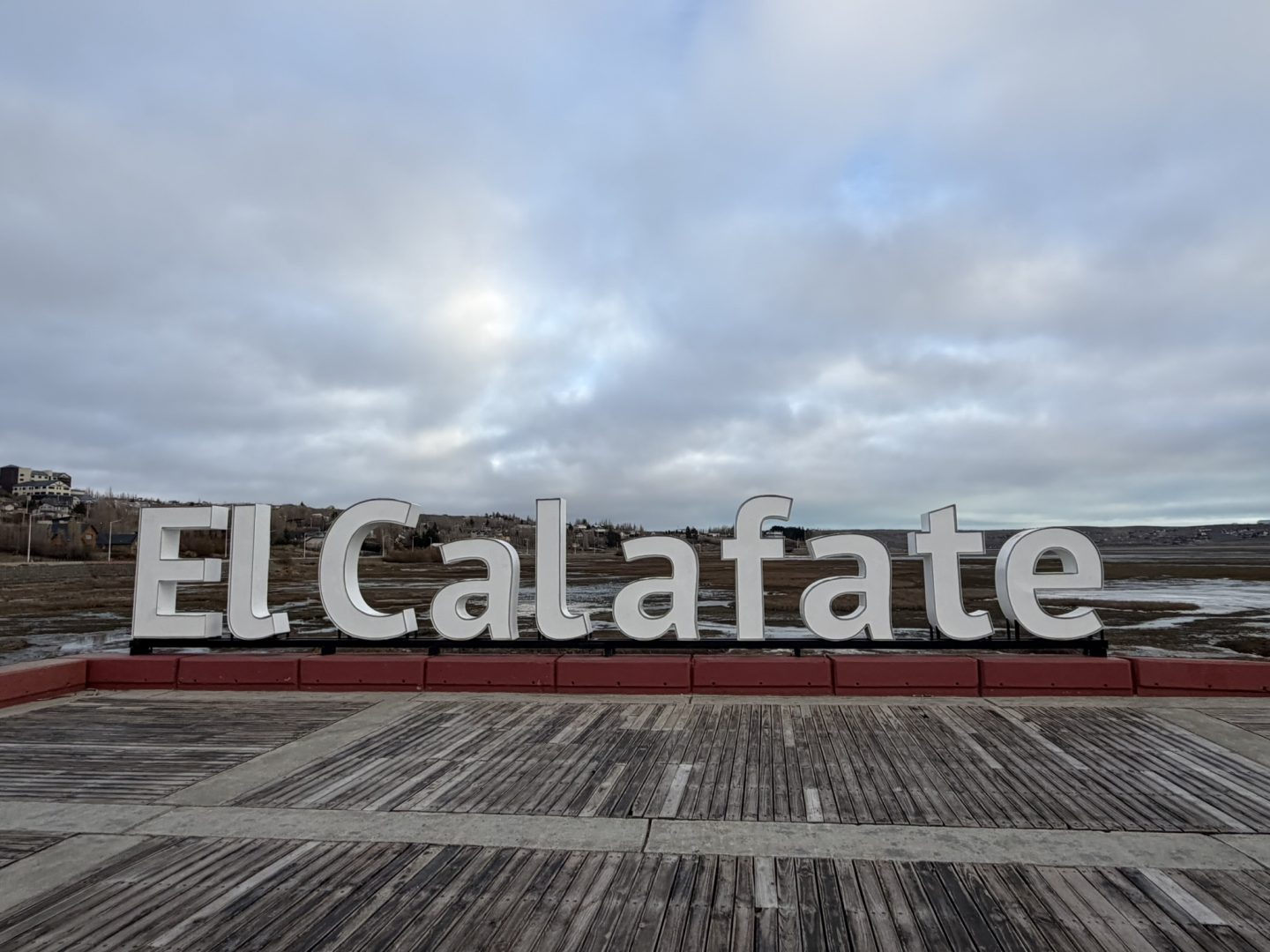
El Calafate has everything from hostels and hotels to small wooden Patagonian cabins. We found an incredibly cute cabin on Airbnb for just £32 per night during off season (August), which was considerably cheaper than I had expected Patagonia to be. For convenience, I would prioritise somewhere within easy walking distance of Avenida del Libertador, the main strip through town, as this is where you will find restaurants, shops and many excursion pick up points.
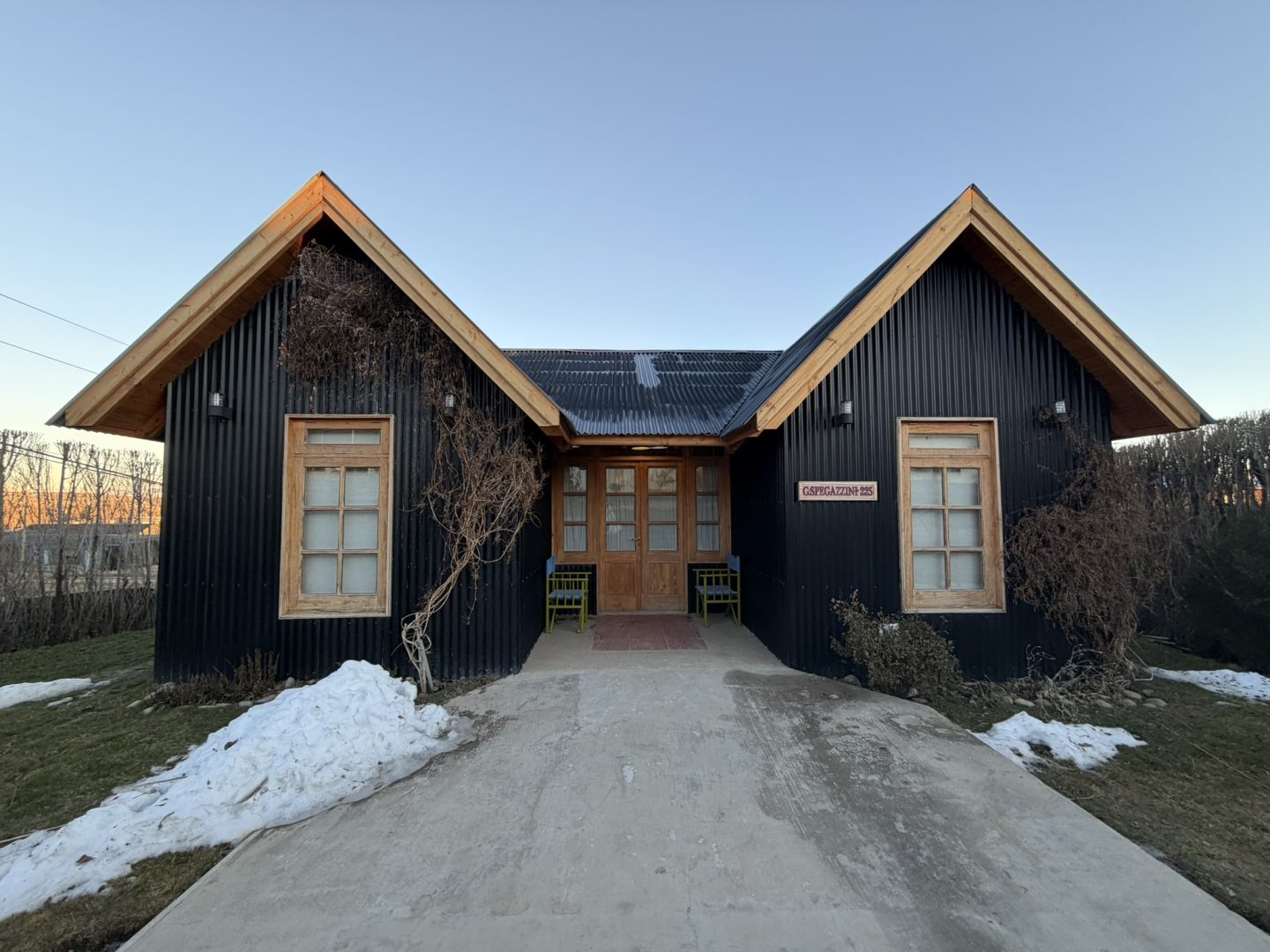
A 2-day El Calafate itinerary
Day 1: Explore El Calafate, Laguna Nimez and the Nativo Experience
If you arrive early enough, use your first day to get acquainted with El Calafate rather than immediately disappearing on a full day glacier excursion. The centre is compact and easy to explore on foot.
Shop at the artisan market
El Calafate has a small Paseo de los Artesanos off Avenida del Libertador, useful for locally made gifts and souvenirs.
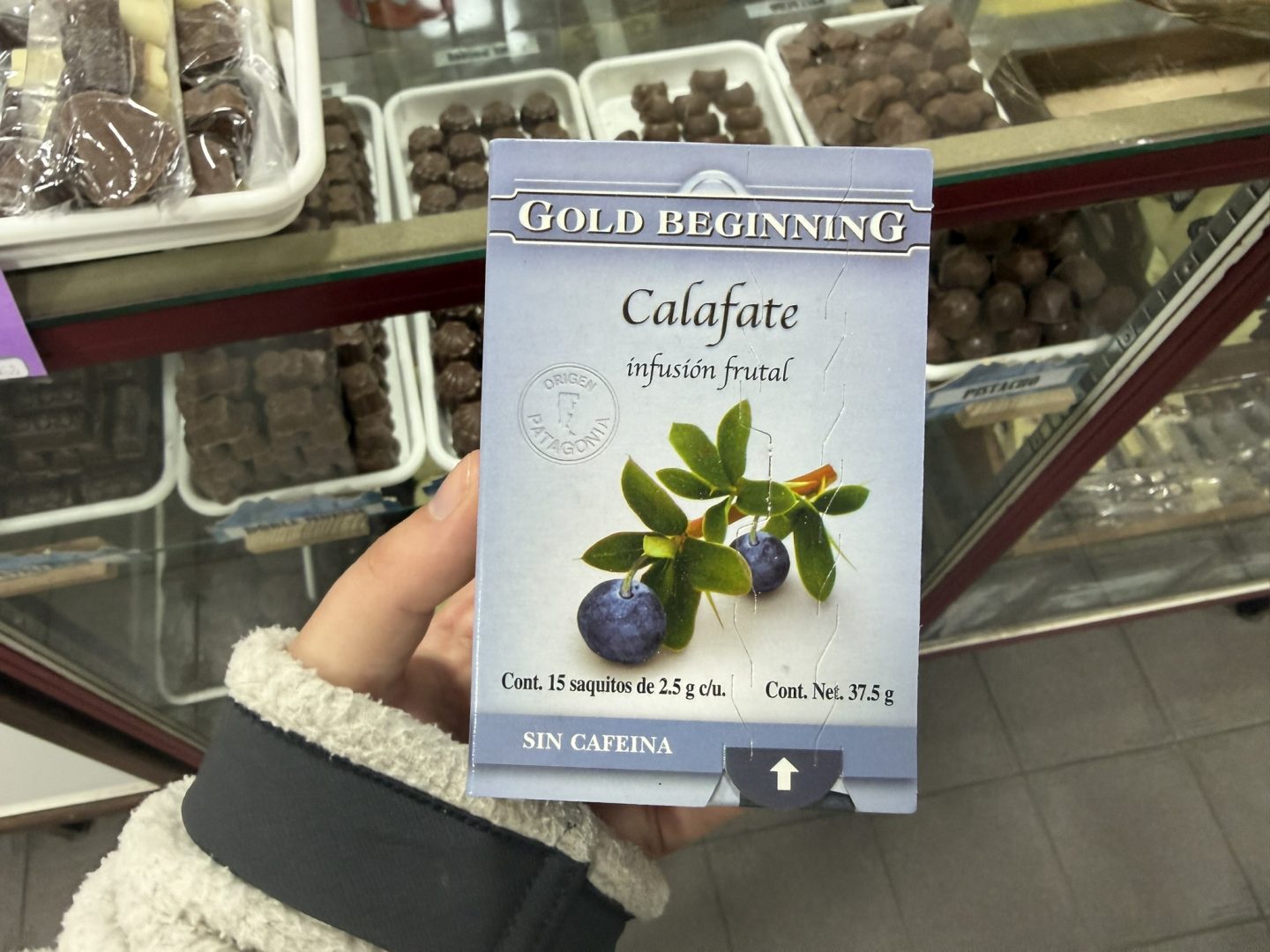
You’ll see plenty of Patagonian knitwear, fleeces, outdoor clothing and products made from calafate berries around town. The calafate is a small dark blue Patagonian berry from the shrub Berberis microphylla. You’ll see it turned into everything from jam and ice cream to liqueur and tea. There is also a local saying that whoever eats calafate will return to Patagonia, given how much I liked Patagonia, I was quite happy to test the theory.
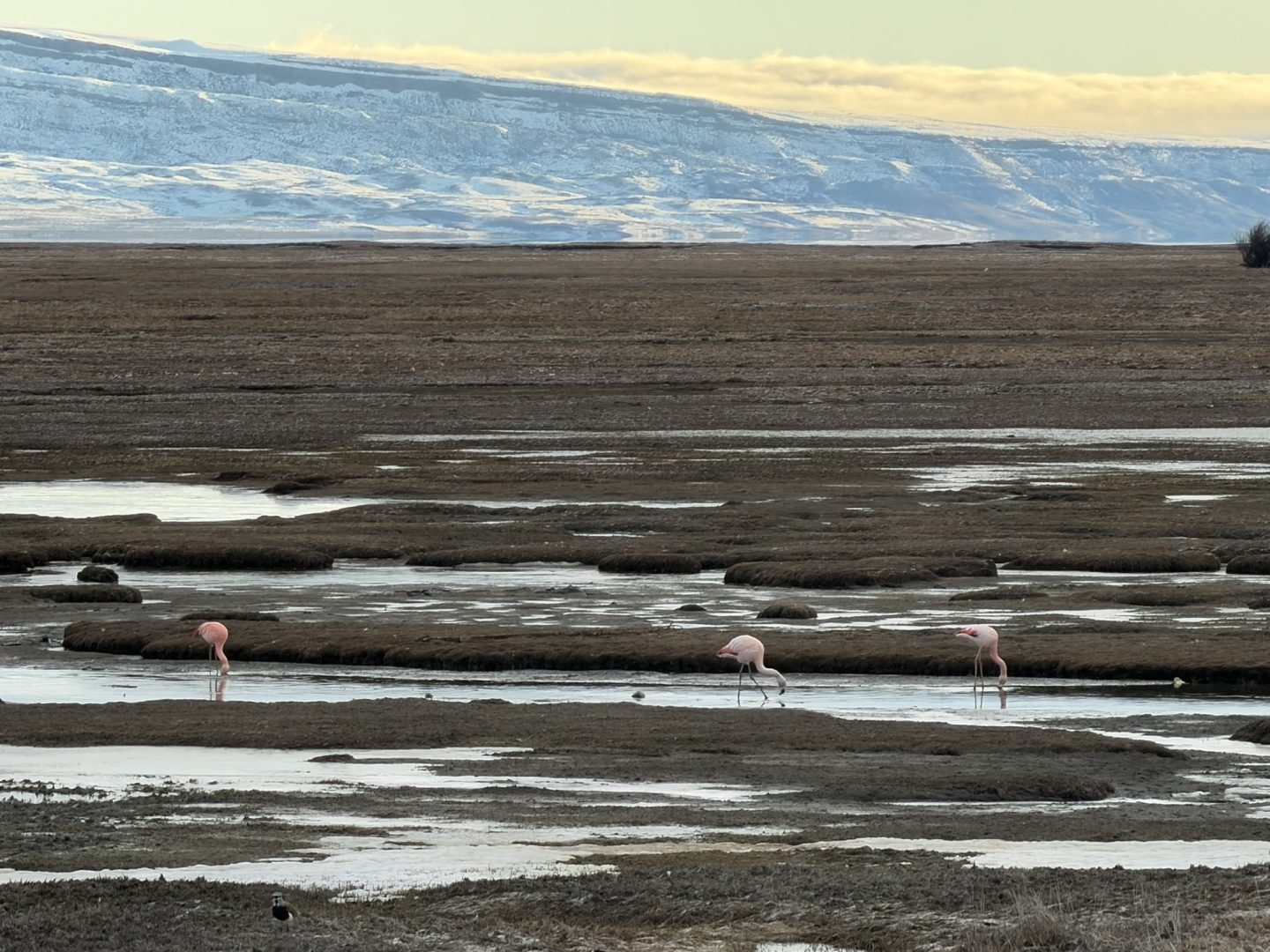
See flamingos at Laguna Nimez
The municipal nature reserve sits only around 800 metres from the main avenue and has an easy 3 km interpretation trail through wetlands on the edge of Lago Argentino. It’s an important bird conservation area and one of the easiest places around town to look for flamingos and other Patagonian birdlife. Binoculars can also be hired at the reserve.
Nativo Experience: 4×4, cave paintings and dinner
One of the most unusual things we did in El Calafate was the Nativo Experience. This is a particularly good option for an arrival or departure day because it takes around three hours and has both daytime and evening departures.
Our evening started with a 4×4 pick up before heading out towards the shore of Lago Argentino, the vast turquoise lake beside El Calafate. At approximately 1,466 sq km, it is the largest lake entirely within Argentina.
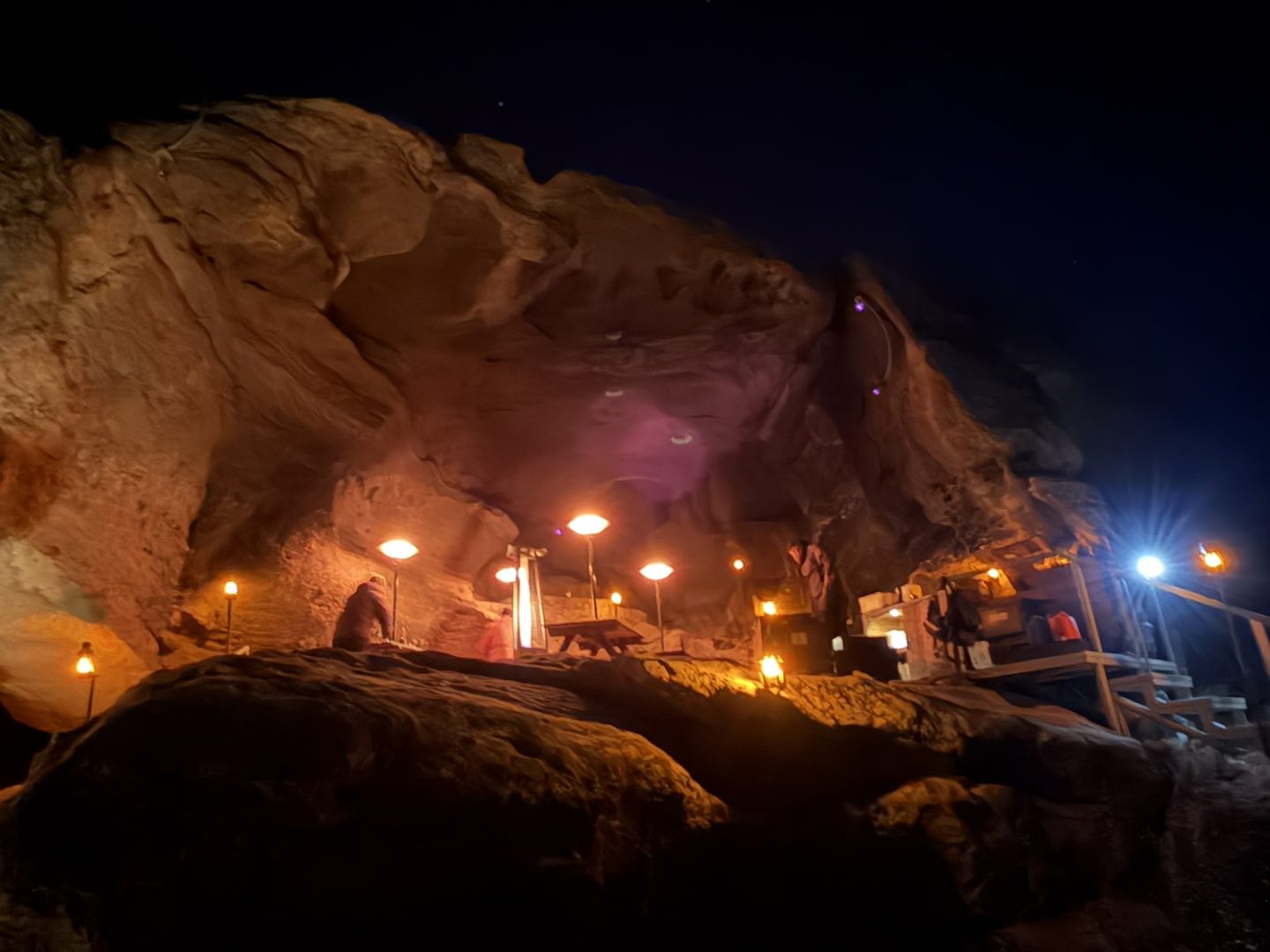
We stopped at viewpoints above the lake before continuing towards an archaeological area associated with the Aónikenk, or Tehuelche, peoples of Patagonia. The caves around Punta Walichu contain rock art connected with human occupation of the area going back thousands of years.
The evening finishes with dinner inside a cave. Our meal started with pumpkin soup, followed by lamb stew served in a bread bowl, with seconds offered, dessert and plenty of wine. It was not the best-value meal of our Argentina trip but we still enjoyed the experience overall.
It was touristy, yes, but also genuinely atmospheric and a very different way to spend an evening in Patagonia. If you are only interested in the archaeology rather than the 4×4 and dinner experience, Punta Walichu can also be visited independently.
Day 2: Visit Perito Moreno Glacier
How to visit Perito Moreno Glacier from El Calafate
Perito Moreno lies inside Los Glaciares National Park, a UNESCO World Heritage Site covering more than 726,000 hectares of mountains, Patagonian forest, lakes and glaciers. The glacier is around 80 km from El Calafate, reached via Ruta Provincial 11. You can get there by organised excursion, bus, taxi or your own hire car.
You don’t need a guide to walk the glacier viewing platforms, and having your own car means you can travel at your own pace, stop at the viewpoints on the way and spend as long as you want at the glacier. An organised excursion is easier if you do not want to drive, but you are paying partly for transport since required national park tickets are additional.
We booked this Perito Moreno Glacier + Boat Trip. We did the boat trip first, then returned by bus to the walkways, where we had around two hours to explore the different circuits. Tickets can be bought online or at the park, and Los Glaciares accepts card payments as well as cash.
Is the boat trip worth doing?
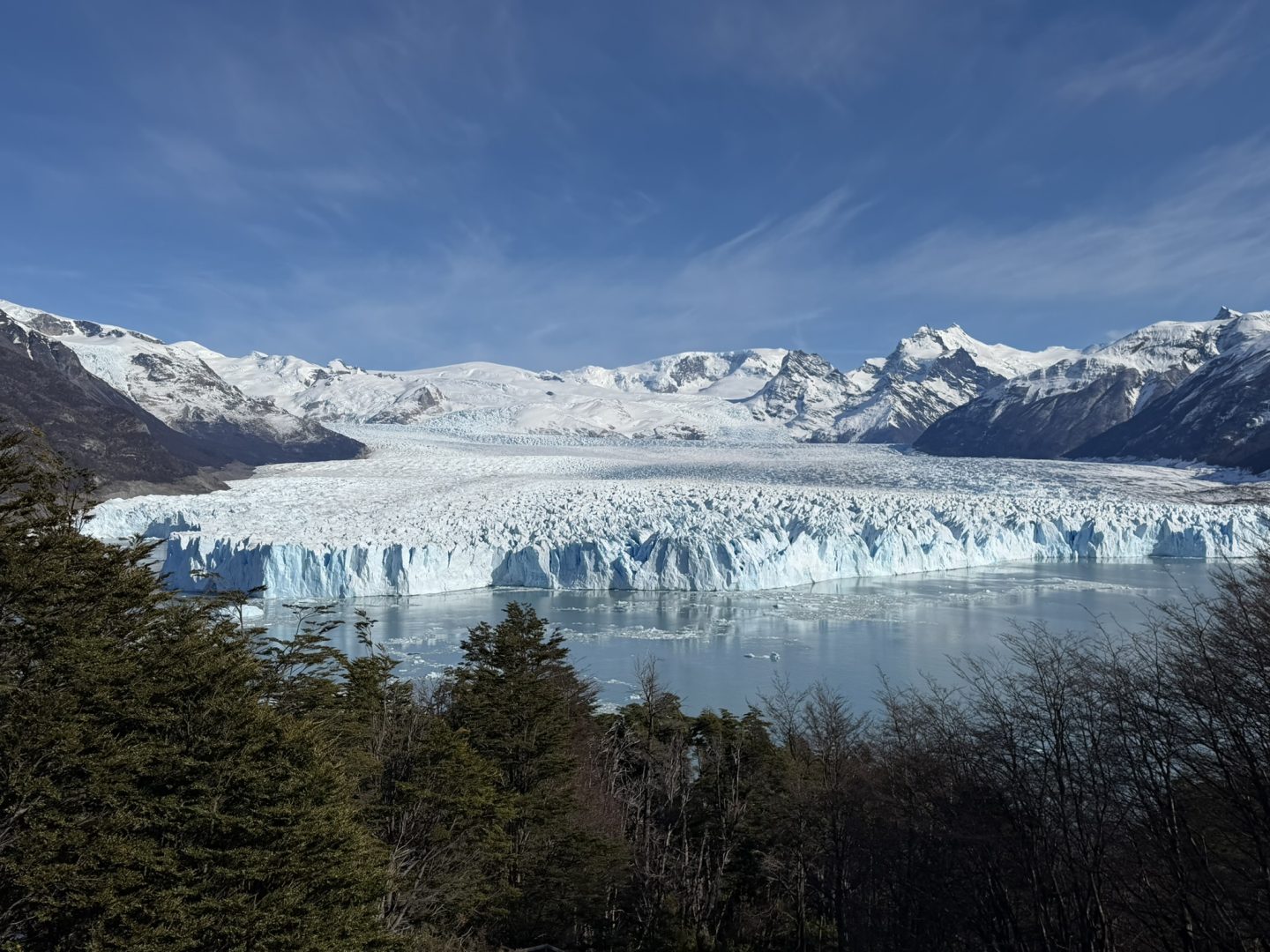
We combined the glacier visit with a boat trip before heading to the walkways. The boat trip takes around an hour and approaches the southern face of Perito Moreno from Lago Rico, giving you a completely different perspective from the viewing platforms. Boats stop several hundred metres from the ice front for safety.
If you’re already doing a longer Lago Argentino glacier cruise to Upsala or Spegazzini, I would be more inclined to skip the additional Perito Moreno boat ride.
If you’re travelling on a budget, I would prioritise the walkways. They provide excellent views of the glacier and you can easily spend a couple of hours exploring them. But I did like seeing Perito Moreno from both water and land. From the boat, you get a much better sense of the height and scale of the ice wall.
Extra things to do if you have a third day
El Chaltén is Argentina’s trekking capital and the gateway to Fitz Roy and Cerro Torre. It’s possible to visit as a long day trip, but I would stay at least one or two nights if hiking is a priority. Travelling all the way there and back in a day means spending a significant amount of time on the road.
You can also take long day trips across the border into Torres del Paine National Park in Chile. It’s spectacular, but if your wider itinerary already includes Chilean Patagonia, I would rather give Torres del Paine several days of its own than see it on a rushed cross border excursion.
Another option is the La Leona petrified forest, usually visited on a full day excursion through the Patagonian steppe. It’s a completely different landscape from the glaciers and a good option if palaeontology and geology interest you.
Visit the Glaciarium
The Glaciarium is around 6 km outside central El Calafate and is one of the most useful places to visit if you want to understand what you have just seen at Perito Moreno. It’s a glacier interpretation centre covering glaciology, research and climate change, with audiovisual exhibitions and a 3D film. Allow around two hours. Transfers run from central El Calafate. There is also an ice bar beneath the museum if drinking from a glass made of ice appeals to you.
Visit an estancia
The estancias around El Calafate introduce another side of Patagonia: sheep farming, horses, gaucho traditions and the enormous rural estates that shaped the region. Some now operate partly as working ranches and partly as tourism businesses, with horse riding, meals and demonstrations. If horse riding is important to you, check any weight, age and weather restrictions directly with the operator before booking.
Practical El Calafate tips
Try to arrive early, or ideally the night before your first full day since most glacier trips and other full-day excursions leave in the morning.
For Perito Moreno in particular, consider hiring a car if you’re comfortable driving. It gives you more flexibility than an organised tour, allowing you to stop at viewpoints and spend as long as you want on the walkways, and it can work out competitively if there are two or more of you. You don’t need a guide for the glacier walkways. Once inside the park, they are straightforward to explore independently.
Pack for wind, even if the temperature does not look especially low. Patagonia has a way of making a perfectly reasonable forecast feel much colder once you are standing beside a glacier. If you’ve underpacked, though, outdoor clothing and equipment rental is available in El Calafate.
Is El Calafate worth visiting?
Absolutely. Perito Moreno is reason enough to come. If I were planning the trip again, I would allow three days and keep one half-day free for an experience beyond the glacier. I would also consider hiring a car for Perito Moreno if you are comfortable driving, simply for the flexibility it gives you on the day.
We sailed beneath the ice, watched huge sections calve into Lago Argentino, crossed the steppe in a 4×4 and ate lamb and drank wine inside a cave. And if the calafate berry legend is right, perhaps that is not the last time.
Continuing through Argentina? See my 7-day Argentina itinerary, best things to do in Buenos Aires and best things to do in Mendoza.

