Personal colour analysis has become one of Seoul’s most sought-after K-beauty experiences. Studios across Seoul now offer consultations ranging from quick seasonal diagnoses to premium sessions covering clothing, jewellery, hair colour and makeup. They appear constantly on social media and are increasingly designed to accommodate international visitors, but prices and the amount of useful advice included vary considerably.
Color Place is one of Seoul’s best-known personal colour studios, recognised for working with K-pop idols and Korean celebrities including members of BLACKPINK, SHINee, ITZY, TXT and EXO. Its premium consultation is designed as a complete personal style guide rather than a basic colour analysis.
I paid approximately £140 for a premium personal colour analysis at Color Place in Gangnam. I deliberately chose the more detailed package, so this review looks at what the higher-priced package actually included, how accessible it was as an English-speaking visitor and whether the results were useful enough to justify the cost.
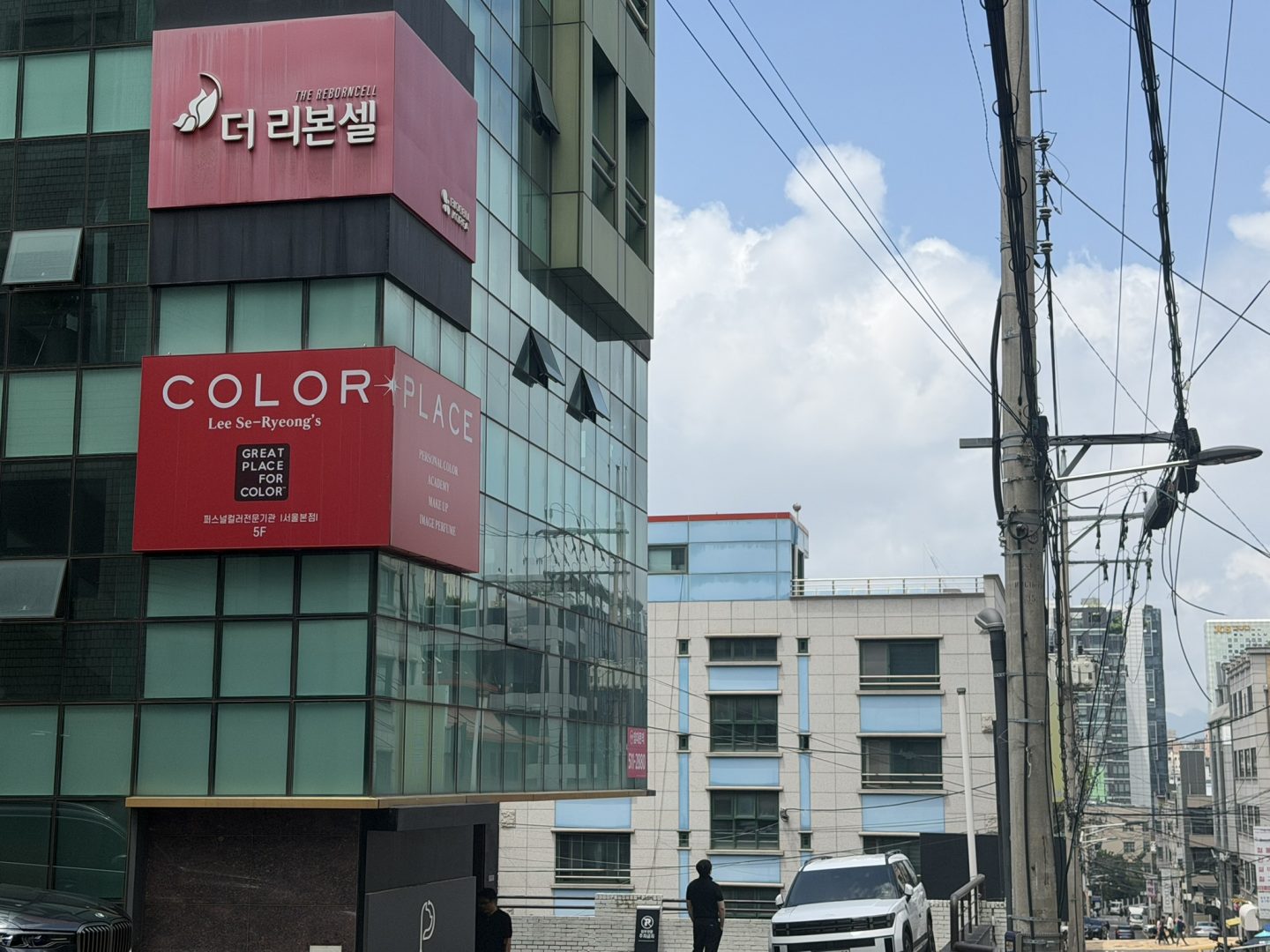
Booking Color Place as an international visitor
I booked directly through WhatsApp and paid via PayPal when confirming the appointment. Color Place can also be booked through Klook, which may be more convenient if you prefer to compare available dates and pay through a familiar booking platform.
Color Place sent detailed preparation instructions beforehand. I was asked to bring my personal makeup, accessories, contact lenses and glasses, along with photographs of my wardrobe and around five examples of outfits I regularly wore. I was asked to arrive bare-faced and without coloured contact lenses, although makeup could be removed at the studio and glasses could still be worn.
An English-speaking translator attended the consultation, but it still felt like a direct one-to-one appointment with the consultant. She carried out the analysis and addressed me directly, while the translator made the more detailed explanations easy to follow.
What happened during my personal colour analysis
Fabric Draping
The consultation began with the iconic fabric drapes.
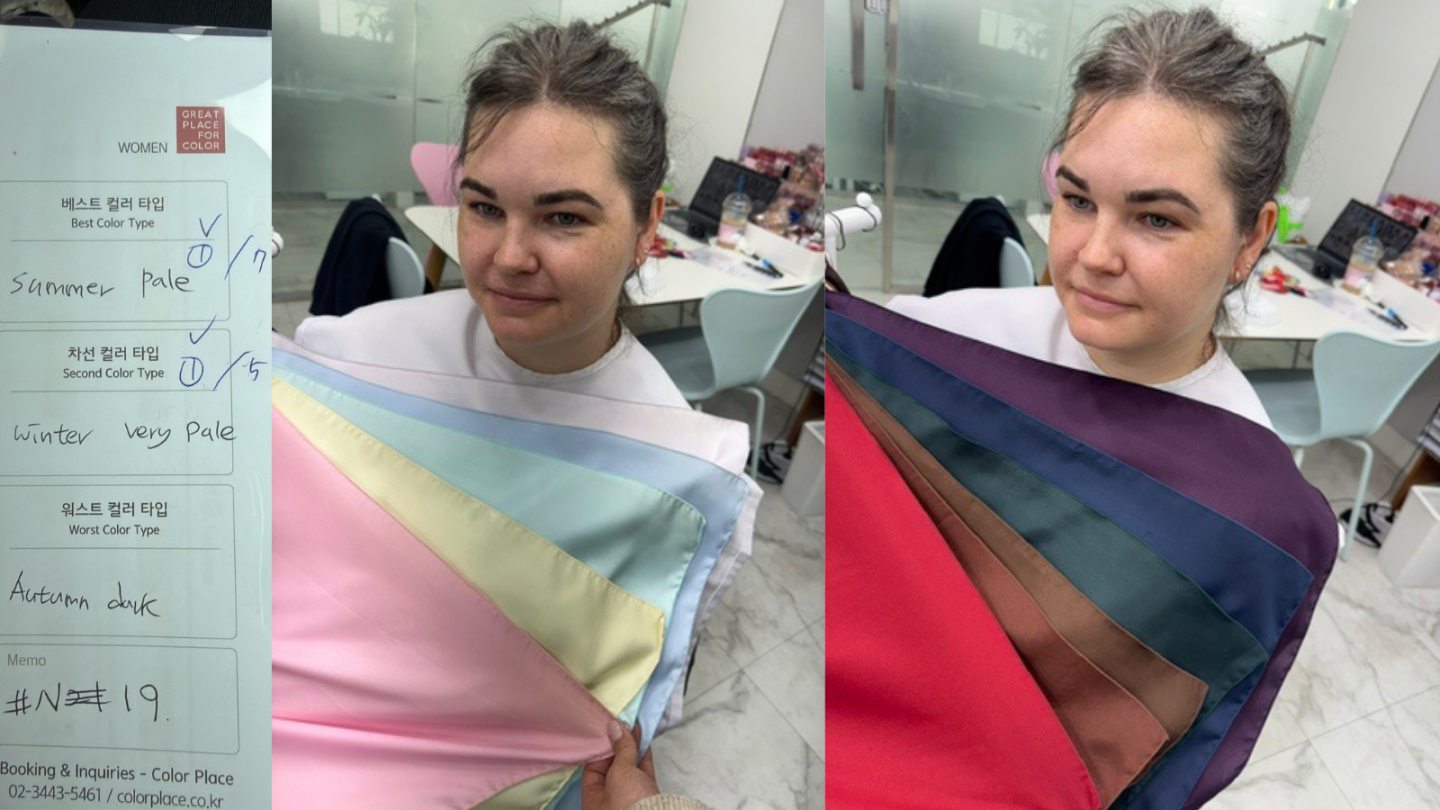
Color Place uses 149 seasonal drapes to identify 25 more specific sub-tones. Different fabrics were placed beneath my face and compared according to warmth, brightness, depth and saturation. Seeing similar shades placed directly beside one another made the differences far more obvious than I had expected. Some colours made my complexion appear clearer and more balanced, while others looked heavy or draining.
This is the part that would be difficult to reproduce reliably through an online quiz or photograph. Lighting, camera settings and screens can all change how colours appear, whereas the consultant was comparing the fabrics directly against my face under controlled lighting.
My final result was cool summer, with summer pale identified as my best colour type. Very pale winter shades could also work as a secondary palette, while dull autumn colours were among the least flattering.
The clearest takeaway was that I suited cool rather than warm tones, which affected the shades recommended across clothing, makeup, jewellery and hair. The biggest surprise was blue, particularly navy. It was a colour I had previously shied away from, but the draping showed that cool blues were among the shades that worked particularly well on me.
I left with a written report and two fabric swatch books containing colours from my recommended palettes. I could hold the fabric beside clothing, makeup or accessories while shopping, then refer back to the report for the wider styling recommendations.
Makeup
Bringing my existing makeup made this part of the consultation particularly useful. The consultant reviewed the shades I already owned and, with my permission, tested selected products directly on my skin so I could see the difference rather than relying only on photographs or colour charts.
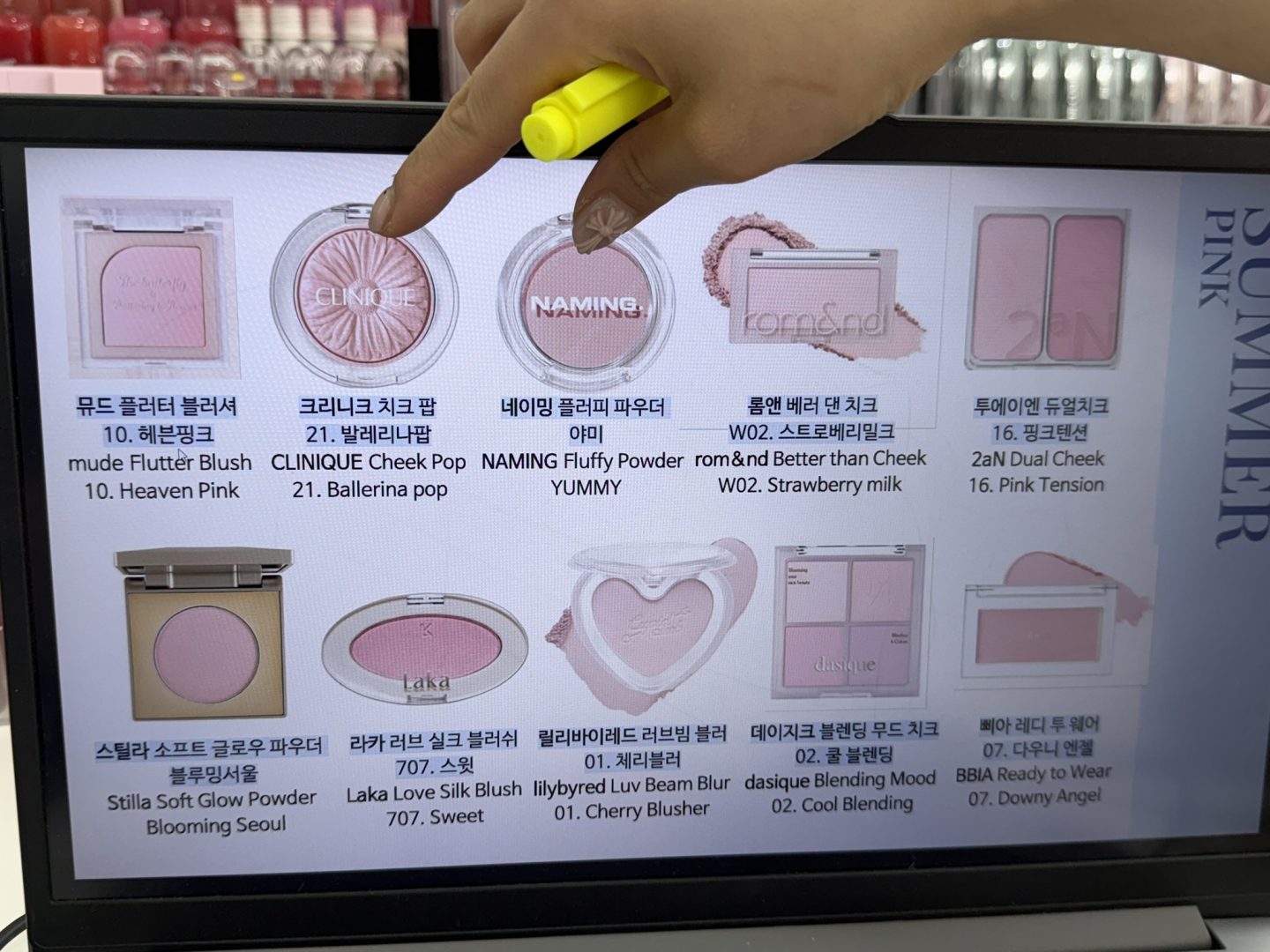
The recommendations included both Korean and international brands across a range of price points. For eyeshadow, I was shown cool, soft palettes from brands such as rom&nd, CLIO, lilybyred, HERA and Dior. Lip recommendations focused on cool pinks, berry tones and softer rosy shades, with options from rom&nd, AMUSE, peripera, CLIO, YSL and Dior.
The blusher recommendations ranged from Clinique Cheek Pop in Ballerina Pop to more affordable Korean options, including rom&nd Better Than Cheek in Strawberry Milk, as well as products from NAMING, Laka, lilybyred and dasique.
I was also matched to foundation shade 19N. Many Korean base products use a similar numbered shade system, so having a clear reference made finding suitable foundations and BB creams considerably easier while shopping.
Personal Styling
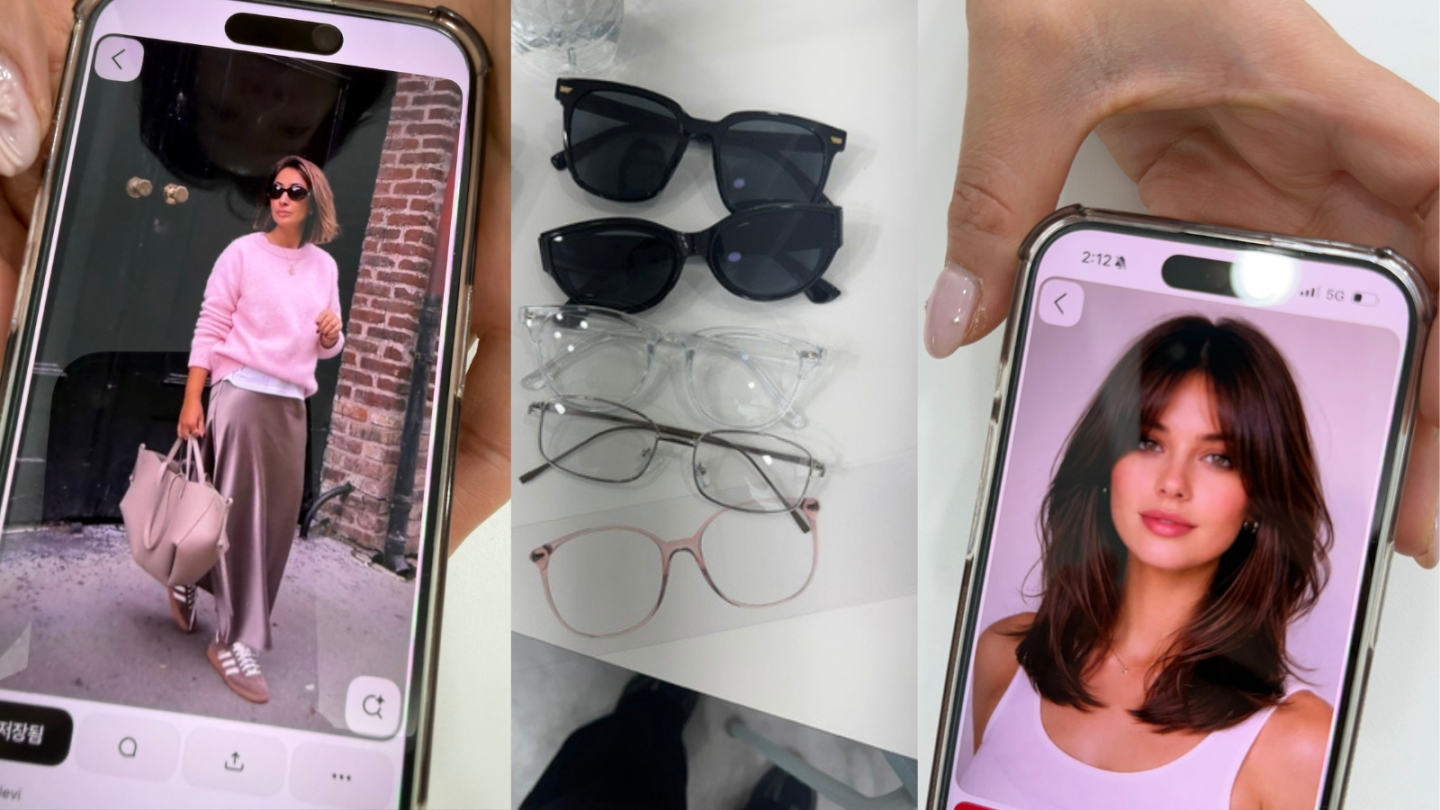
The consultation also assessed my face shape and used it to recommend suitable necklines, hairstyles and glasses shapes.
The consultant also showed me outfit references combining my cool summer palette across clothing, shoes, bags and jewellery. I found this less valuable although the outfits were close to styles I would already have chosen for myself.
Jewellery, contact lenses, eyebrow shapes and shades, nails and perfume were also discussed. The perfume recommendations were based on the wider image associated with my results rather than colour in a literal sense, reinforcing that the premium appointment was intended as a complete personal style consultation. These broader recommendations demonstrated the scope of the package, although the clothing and perfume guidance added less value for me personally than the makeup, neckline and glasses advice.
How useful were the results afterwards?
The consultation gave me a clearer framework for choosing clothing and makeup colours, the most useful shift was understanding that cool tones generally suited me better than warm ones.
It also challenged one of my existing assumptions. I had generally avoided blue and navy, but the draping showed that they were among the colours that worked particularly well with my complexion.
I’m not planning to remove every colour outside my recommended palette from my wardrobe, but it’s made me less inclined to buy something simply because it looks good on someone whose colouring is completely different from mine.
Overall, it was enjoyable as a Seoul experience, and the information remained useful after I left Korea.
Was the Color Place premium consultation worth £140?
Yes, for the type of consultation I wanted but I wouldn’t have considered £140 good value simply to be told that I was a cool summer.
The price was justified by the breadth of the consultation, which covered clothing, hair, jewellery, accessories, makeup, glasses, nails and perfume. The consultant reviewed and tested products I already owned, matched me to foundation shade 19N, showed me specific alternatives and gave me a written report with two fabric swatch books to take away.
I haven’t tried another professional personal colour analysis, so I can’t say that Color Place is categorically better than the many cheaper studios in Seoul. Someone interested only in discovering their best colours probably doesn’t need the premium appointment. Color Place’s Essential Basic service already focuses on identifying the season, sub-tone and strongest and weakest colours, while the Premium service adds the wider styling recommendations.
What to know before booking
I would book the consultation near the beginning of a Seoul trip, particularly if you plan to shop.
Check exactly what your chosen package includes before paying. A basic seasonal analysis and a premium consultation covering your wider personal image are not the same service.
It’s also worth confirming what “English-friendly” means at any studio you are considering. It may refer to an English-speaking consultant, a dedicated translator, translated materials or basic communication through an app. At Color Place, the translator supported a direct consultation with the specialist rather than replacing that interaction.
Most importantly, decide what you want to leave with. Paying for the premium package makes sense when you genuinely want (and expect to use) the additional styling, makeup and product guidance.
Related Seoul guides
- Skin Analysis in Seoul: Is it worth £47?
- Best Things to Do in Seoul for First-Time Visitors
- DMZ Tour from Seoul Review: Is It Worth It?

