Wine tourism is booming, and the best wine regions to visit now stretch far beyond the classic vineyard routes. More wineries are opening their doors for tastings, lunches and immersive experiences, with wine tourism accounting for around a quarter of winery revenue worldwide.
This guide is for anyone who likes good wine and wants to know what to try, where to go and what to expect, without getting lost in technical tasting notes and specialist terminology. Where possible, I’ve also included links to UK retailers stocking the wines we tried, so you can track down a bottle at home, or save yourself some luggage space and weight.
This post contains affiliate links which help cover the running costs of this blog. If you book through one, I may earn a small commission at no extra cost to you. The page also contains display advertising.
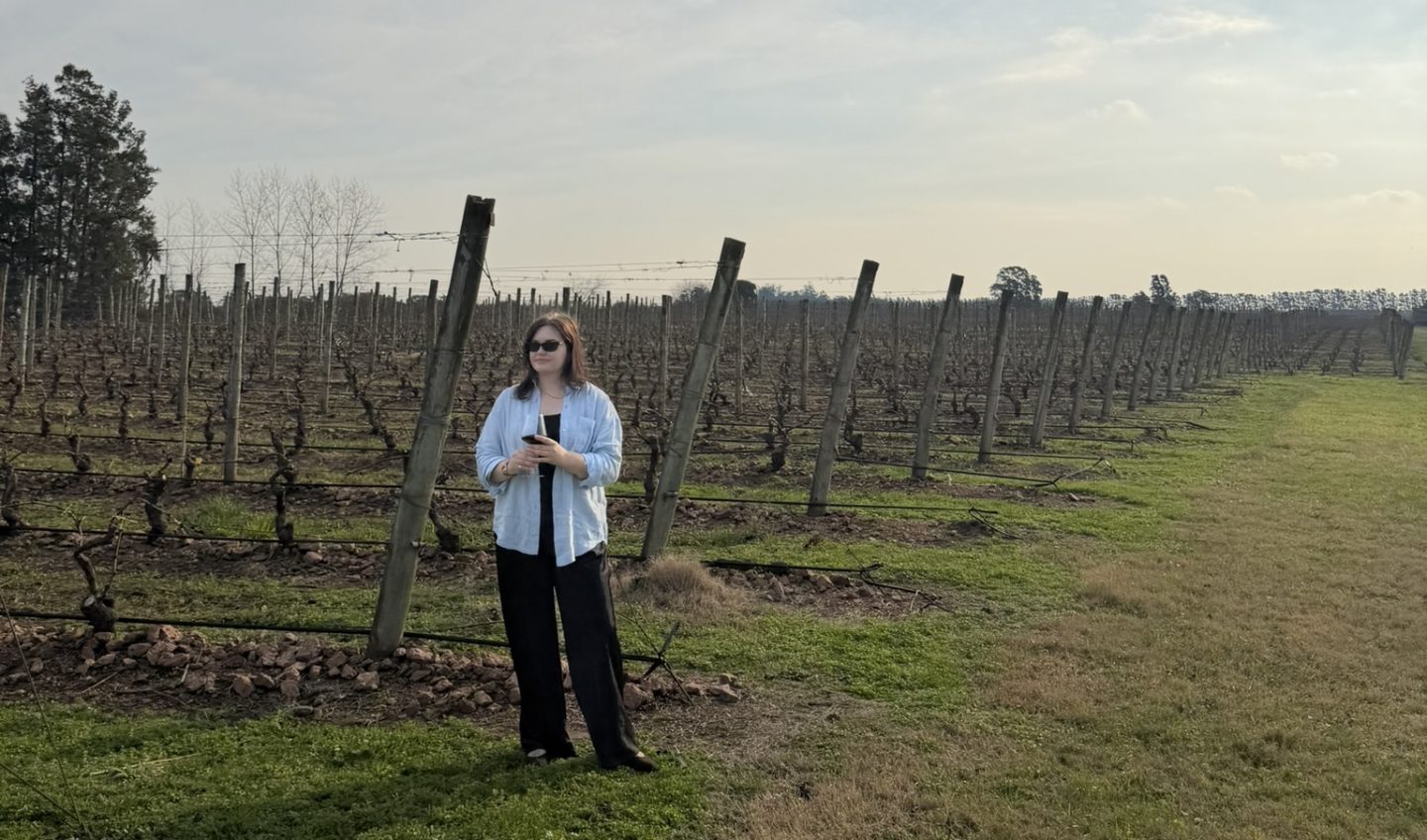
My Wine Credentials
I have always loved red wine, but in recent years that interest has started shaping the way I travel. Wherever possible, I now seek out local vineyards, learn about the grapes that define the region and, most importantly, taste the wines where they are actually made.
My interest in wine began properly with a bottle of Alira Tribun that I discovered by chance while spending New Year’s Eve in Bucharest. I knew very little about Romanian wine at the time, but I loved it so much that it opened my eyes to how many brilliant wine regions exist beyond the familiar names found on supermarket shelves. Since then, I have visited wineries in Cyprus, Italy, Portugal, Uruguay and Chile.
NB. I found Alira Tribun available in the UK through Cellar Door Wines
I am not a wine connoisseur, and I don’t pretend to be. I simply know what I enjoy and have become increasingly curious about why I enjoy it. That curiosity has even put a WSET course firmly on my radar, led less by formal expertise than by everything I have discovered through travel and tasting.
Every place I cover in detail is somewhere I have visited myself, although I have also mentioned a few others that help give a fuller picture of each region.

The bottle that kickstarted my love of red wine
Uruguay
- Signature grape: Tannat
- Wine region: Canelones
- Winery visited: Bodega Bouza, Montevideo
Uruguay may sit in the shadow of its better-known wine-producing neighbours, but it has a strong wine identity and an increasingly impressive international reputation. Argentina has Malbec, Chile has Carménère and Uruguay has Tannat, brought from south-west France by Basque immigrants in the 1870s and now established as the country’s flagship grape. In 2025, Bodega Garzón in Maldonado was ranked fourth in the World’s Best Vineyards, while Bodega Bouza has also featured repeatedly in the rankings.
Canelones is the heart of the country’s wine industry, accounting for around 60% of national production. The remainder is spread across rural Montevideo, San José, Colonia and Maldonado, alongside smaller wine-growing areas elsewhere in the country.
What many visitors don’t realise is how accessible Uruguay’s wine regions are. The Carmelo Wine Route brings together seven wineries within a 16-kilometre radius of Carmelo in Colonia. It’s one of the easiest places in Uruguay to spend a day or weekend visiting a mix of historic estates, family-run wineries and newer producers. The wider experience extends beyond wine, with Narbona also known for its locally made dulce de leche and nearby olive groves offering tastings of Uruguayan olive oil.
Closer to the capital, a vineyard visit can easily be added to a stay in Montevideo. Bodega Bouza is a small-scale, family-owned producer in Melilla, around 15 to 20 minutes from the city centre, making it one of the most accessible introductions to Uruguayan wine.
- If you’re basing yourself in the capital, my guide to the best things to do in Montevideo covers the city’s wineries alongside its food, markets, football and cultural highlights.
Bodega Bouza
Bodega Bouza was my first proper introduction to Uruguayan wine, and it set the bar extremely high.
Although the Bouza family only entered the wine industry in 1998, its dedication to quality is immediately clear. The winery has repeatedly featured in the World’s Best Vineyards rankings, including 26th place in 2020, 30th in 2023 and 38th in 2024.
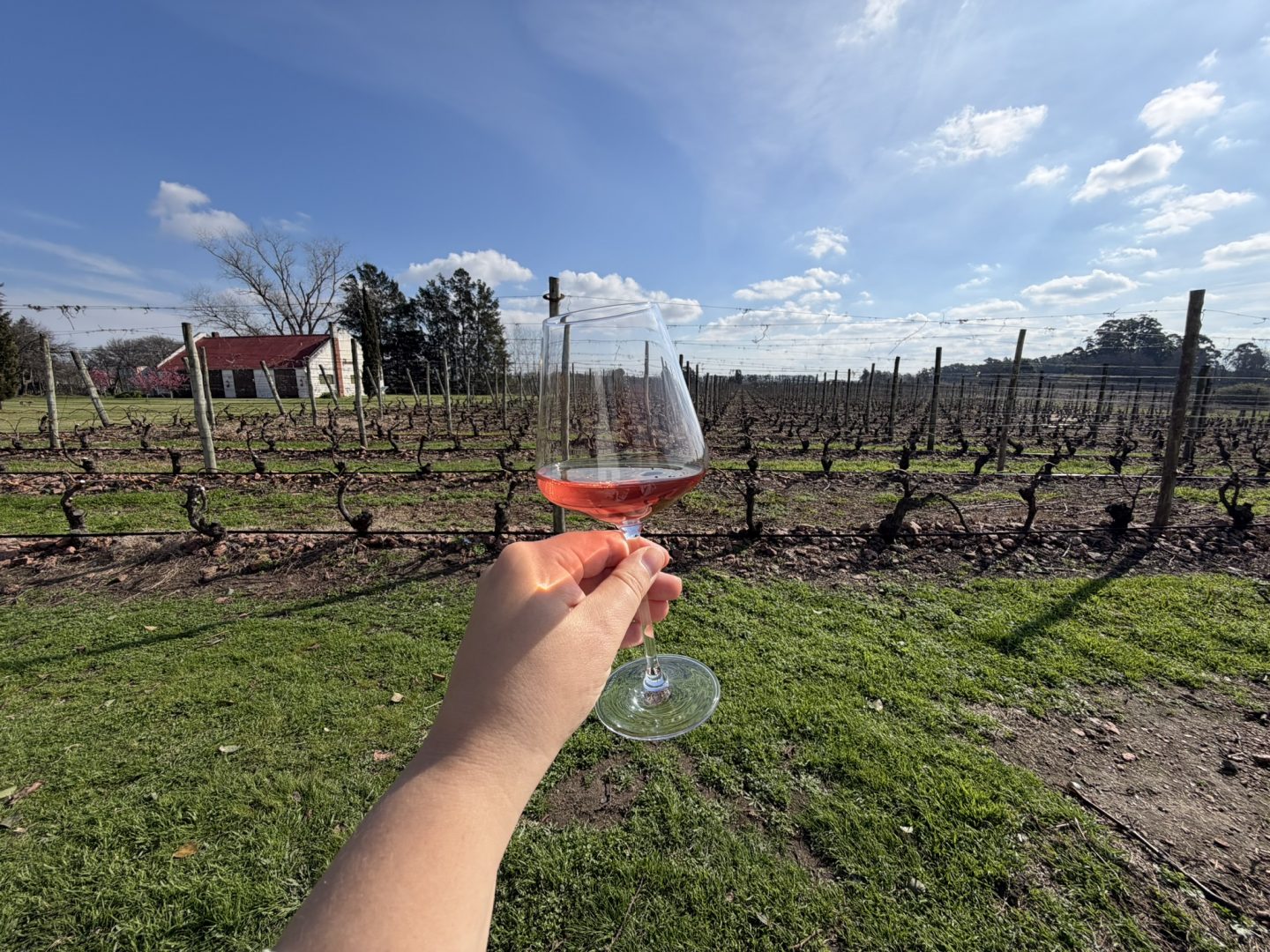
We visited the Melilla estate on an English-language tour led by Mathieu, whose passion for wine made the experience every bit as enjoyable as the tasting itself. The tour began with a rosé as we walked around the winery and learned about the production process, from hand-selecting the best grapes to numbering every bottle by hand.
We later tasted four more wines: a Chardonnay followed by three reds. The Pinot Noir was the biggest surprise. It would not usually be my first choice, but it made me reconsider the variety entirely. The blend was my personal favourite, while the Tannat was a fitting introduction to Uruguay’s signature grape.
We were told that Bouza produces around 180,000 bottles each year using grapes grown across five distinct vineyard areas in Uruguay. Despite that reach, it still feels like a considered, small-scale operation where every detail of the wine has been carefully thought through.
For a longer experience, this Bouza winery visit with return transport and a paired lunch combines the tour with a full meal at the estate.
Top tip: If luggage space or weight is limited, Bodega Bouza wines can also be found in the UK through a small number of specialist wine retailers, including through VINVM, Decantalo and Field & Fawcett.
- Wine isn’t the only thing worth making room for: my guide to the best souvenirs from Uruguay covers mate sets, dulce de leche, alfajores and some of the other things to bring home.
Cyprus
- Signature wine: Commandaria
- Wine region(s): The Troodos Mountains
- Winery visited: Tsiakkas Winery
Cyprus may be better known for beaches than wine tourism, but the island offers seven official wine routes connecting vineyards and family-owned wineries with mountain villages, restaurants and other local attractions.
Its best-known wine is Commandaria, a sweet dessert wine recognised by Guinness World Records as the oldest manufactured wine in the world. Its history stretches back thousands of years, and today it can only be produced within a handful of Cypriot villages using the indigenous Xynisteri and Mavro varieties. Red wine drinkers should also look out for Maratheftiko and Yiannoudi, two local grapes that are distinctly Cypriot.
Tsiakkas Winery
We visited Tsiakkas Winery as part of our five-day Cyprus itinerary, combining it with Kykkos Monastery, the Troodos Mountains and lunch in Omodos.
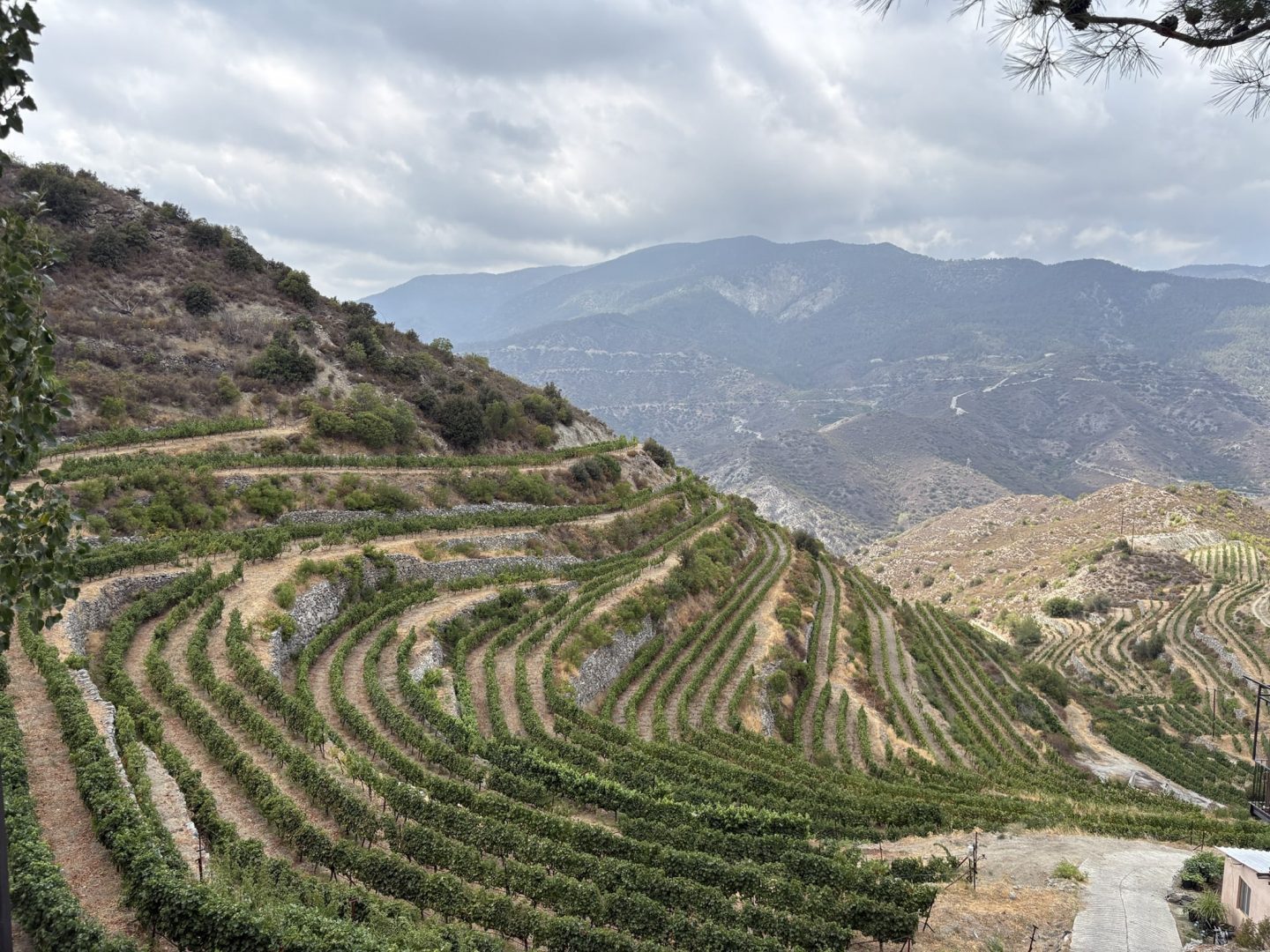
Set just outside Pelendri on the Pitsilia Wine Route, Tsiakkas is a second-generation family-run winery with more than 18 hectares of vineyards across the surrounding slopes. The setting is a major part of the experience, with tastings served on a terrace overlooking the mountains and vineyards below.
When we visited, the tasting cost €12 per person and included five wines, among them Commandaria. It was one of the highlights of our Cyprus trip, both for the wines and the setting, and we left with a bottle to add to our bar cart at home.
Other wineries within easy reach include Kyperounda Winery, also on the Pitsilia Wine Route, and Linos Winery in Omodos, known for its unusual blue wine, Mediterranean Blu.
A full-day Troodos jeep tour from Paphos combines mountain villages, Omodos, waterfalls and a local wine tasting. It also means nobody has to miss the tasting because they are driving.
We found Tsiakkas Commandaria available from Seven Cellars in the UK, making it possible to revisit one of Cyprus’s most distinctive wines without using valuable luggage space.
- For more ideas beyond the vineyards, see my guide to the best things to do in Cyprus.
Italy
- Signature grape: Sangiovese
- Best-known wine regions: Tuscany, Piedmont, Veneto and Sicily
- Winery visited: Sorsasso, Lake Como
Italy has some of the world’s most famous wine regions, but Lake Como is rarely mentioned alongside Tuscany, Piedmont or Veneto.
Wine has been produced around Lake Como for centuries, with today’s local wines falling under the Terre Lariane IGT designation. The lake’s mild, breezy climate supports small-scale production of red, white and rosé wines, but the region remains relatively unknown compared with Italy’s established wine destinations.
Sorsasso
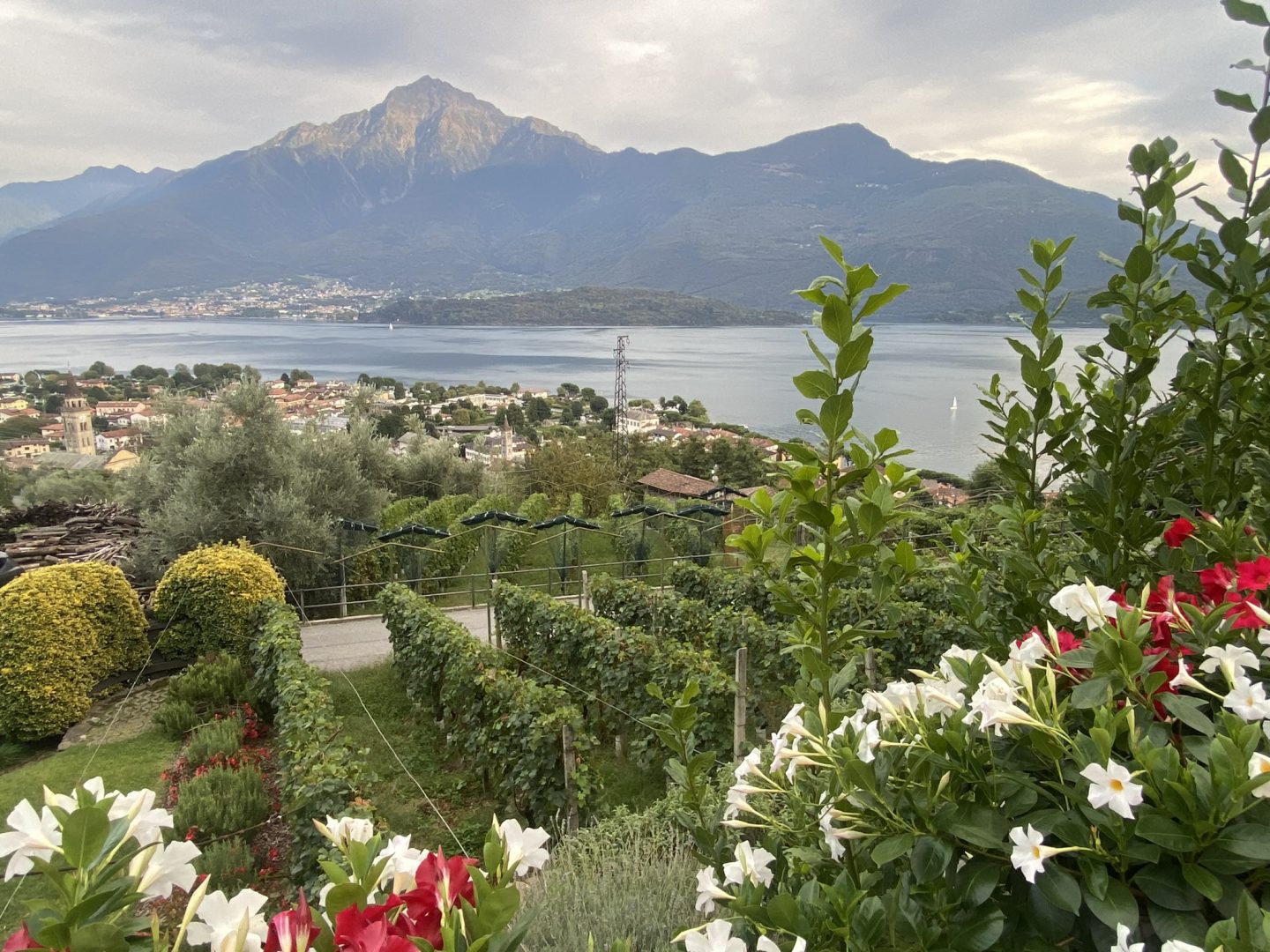
Sorsasso is a family-run vineyard and agriturismo in Domaso, overlooking the northern end of Lake Como. Owned by the Travi family, the estate produces around 40,000 bottles each year under the Terre Lariane IGT designation. Its wines include a white made from Sauvignon, Verdese and Trebbiano grapes, a Sangiovese rosé and a red blend of Merlot and Sangiovese.
Despite Lake Como’s international fame, Sorsasso felt like a genuine hidden gem. It was one of the best evenings of our trip and offered a real taste of the region, far removed from the busier restaurants and towns elsewhere around the lake.
Dinner is an event in itself: four courses with generous pairings of Sorsasso’s own wines, followed by grappa. We arrived at 7pm and stayed well beyond 11pm, eating on the terrace with views across the vines, lake and surrounding mountains.
During dinner, the owners told us that their red wine had been served at George Clooney’s wedding, quite the claim for a bottle we later took home for just €18.
When we visited, Sorsasso had only recently started offering wine experiences, and bookings were limited to Airbnb. It has since developed a dedicated vineyard and winery tour, with tastings and local food pairings now available through GetYourGuide. The current Sorsasso vineyard and winery tour is shorter than the dinner we experienced but includes a walk through the vines, three wines and local food pairings.
- To plan the rest of your time around the lake, see my guide to the best things to do in Lake Como.
Chile
- Signature grape: Carménère
- Wine region: Maule Valley
- Winery visited: Concha y Toro
Chile’s wine regions stretch through a series of valleys between the Andes and the Pacific, with different grapes thriving as the conditions change. Maule is the country’s largest wine region and is particularly known for its old vineyards and traditional red varieties, including Carignan and País. Colchagua and Cachapoal are strongly associated with Carménère and Cabernet Sauvignon, while cooler Casablanca is better known for Sauvignon Blanc, Chardonnay and Pinot Noir.
Carménère is Chile’s signature grape. Originally from Bordeaux, it was brought to the country during the 19th century and mistaken for Merlot for more than 100 years. In 1994, a French grape expert identified the vines as Carménère, a variety that had almost disappeared from France. Chilean wineries then began producing and labelling it under its correct name.
Maipo became closely associated with Cabernet Sauvignon after some of Chile’s earliest commercial wineries planted the grape there during the 19th century. It went on to become the valley’s defining variety, and Maipo remains home to historic producers including Concha y Toro, Santa Rita, Undurraga and Cousiño Macul. Located around 40 minutes from Santiago, Maipo is the easiest major wine region to visit from the capital, particularly for travellers who are short on time or unable to travel farther south to Maule.
Concha y Toro
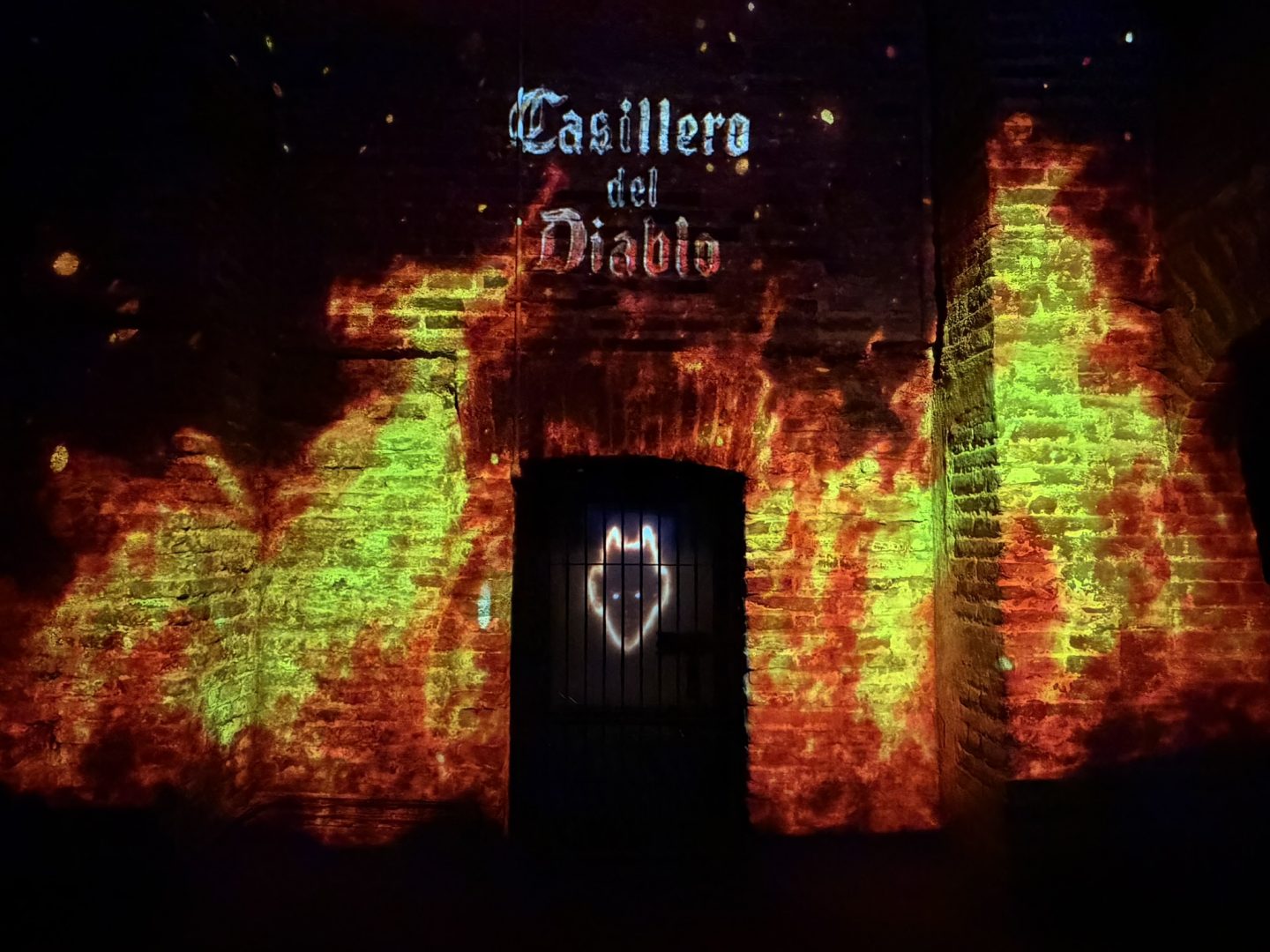
Concha y Toro is one of Chile’s oldest and largest wine producers, founded in Pirque in 1883. Casillero del Diablo has long been one of my favourite supermarket wines, so this was the winery I most wanted to visit.
We booked the two-hour Premium Guided Visit for around £40 per person, including four wine tastings and a commemorative Concha y Toro wine glass. The tour began with an interactive experience explaining how Chile’s landscape supports wine production, before leading underground into the cellar where the legend of the “Devil’s Cellar” began. The route then continued through the historic estate and vineyards.
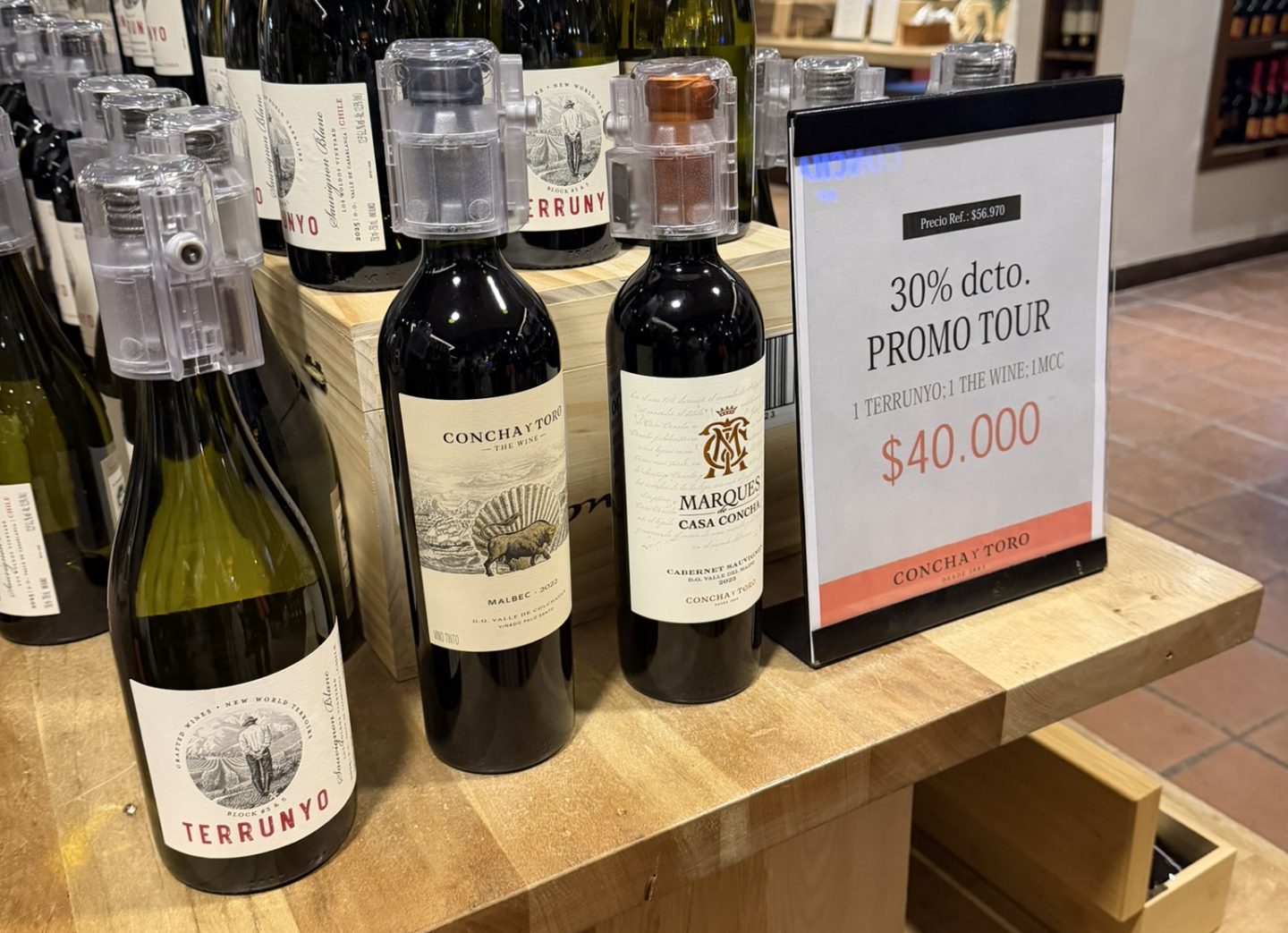
Our four tastings included a Terrunyo Sauvignon Blanc, Terrunyo Carménère, The Wine Malbec and Marqués de Casa Concha Cabernet Sauvignon. The Terrunyo Carménère was our favourite. Carménère may be Chile’s signature grape, but Cabernet Sauvignon is particularly important in Maipo and at the Pirque estate.
Terrunyo wines can also be found in the UK through specialist wine retailers; shortly after our tour, we spotted them at Martinez Wines, Butler’s Wine Cellar and The Wine Society. We also found the Marqués de Casa available through Mumbles Fine Wines, and Don Melchor through specialist fine-wine retailer Hedonism.
The tour also introduced us to Don Melchor, Concha y Toro’s flagship Cabernet Sauvignon. The 2021 vintage was named the world’s best wine in 2024, and we later tried the 2022 vintage available in the on-site wine bar. It was exceptionally smooth and silky. A 30 ml pour cost around £15, making a glass a good option for anyone curious to compare or try an expensive wine without committing to a full bottle.
We also tried the Terrunyo Cabernet Sauvignon in the wine bar. A 60 ml pour cost around £4, making it an affordable way to try before deciding what to buy.
The on-site shop offers discounts of up to 30% on some bottles. We bought four bottles for around £50 as part of a promotion that included any two Terrunyo wines, one bottle from The Wine range and one from the Marqués de Casa Concha range. A three-bottle option cost around £33 and included one from each range. We naturally took home the Terrunyo Carménère we had tasted during the tour.
We travelled by Uber from Santiago, which cost around £30 each way. Depending on how you want to spend your day, an organised tour with transport may be easier than arranging both journeys independently. This Concha y Toro tour from Santiago includes return transport, winery entry and wine tastings.
Argentina
- Signature grapes: Malbec (red) and Torrontés (white)
- Wine region: Mendoza
- Wineries visited: Vistandes, Familia Cecchin and Esencia 1870
Argentina’s signature grape is Malbec, and nowhere is it more closely associated than Mendoza, which accounts for around 71% of the country’s vineyard area and stretches from the city towards the Andes. Alongside Malbec, Argentina also has its own native white grape, Torrontés.
Within Mendoza are several distinct wine areas. Maipú and Luján de Cuyo, often grouped as the historic Primera Zona, form the traditional centre of Mendoza winemaking. Luján de Cuyo is particularly important to Argentine Malbec because it became the country’s first officially protected wine region, with Denomination of Controlled Origin (DOC) recognition to preserve the identity and quality of Malbec produced there. Further south, the Uco Valley is generally regarded as Mendoza’s most exciting premium wine area, with vineyards here climbing above 1,000 metres towards the Andes.
During our time in Mendoza, we visited four wineries across Maipú and Luján de Cuyo: three as part of a half-day wine tour and one independently.
Maipú Wineries & Olive Oil Tasting
For an affordable introduction to Mendoza wine without having to organise transport between wineries, this half day tour took us to three contrasting wineries in Maipú, with several wines tasted at each, as well as an olive oil producer.
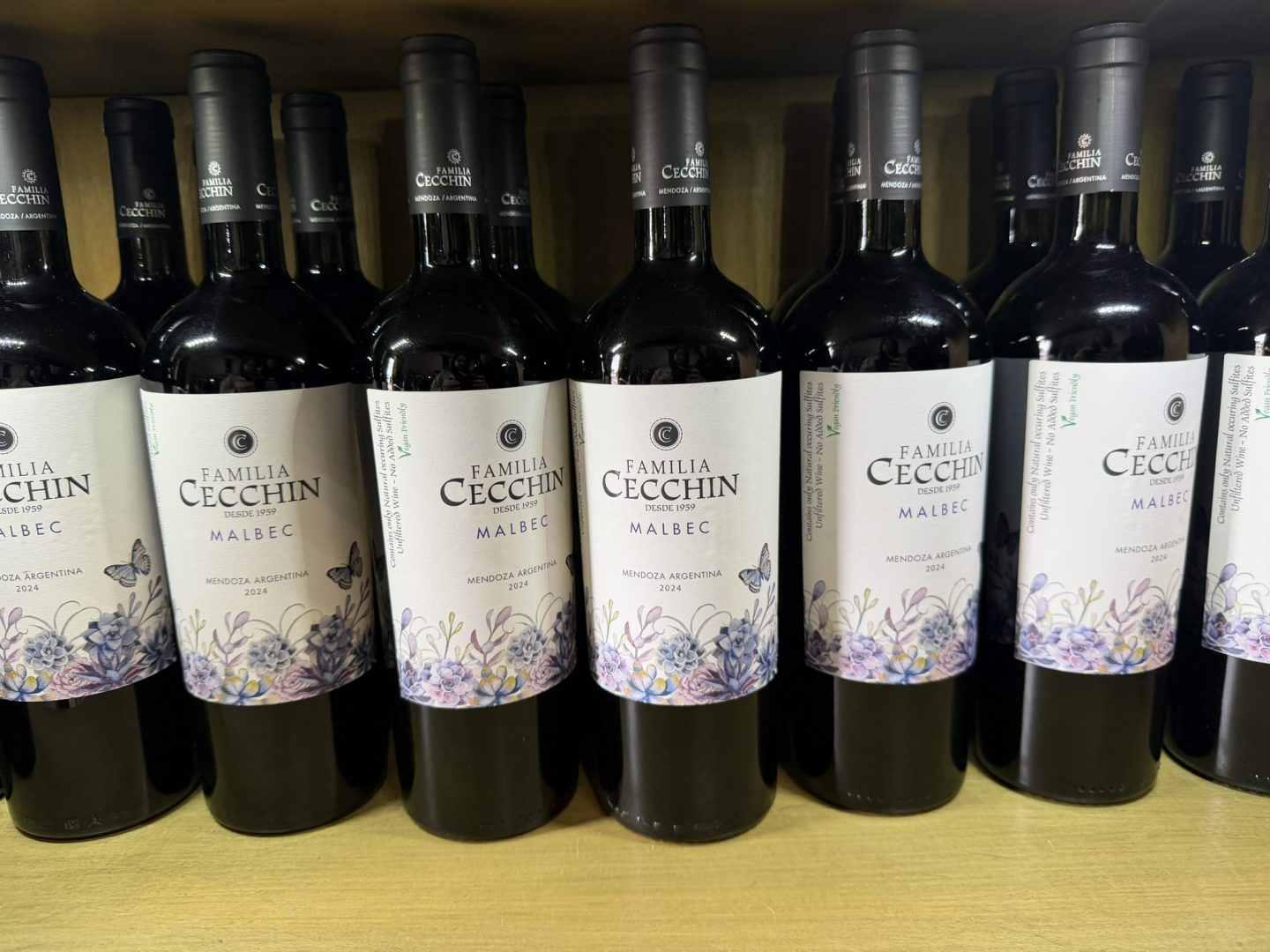
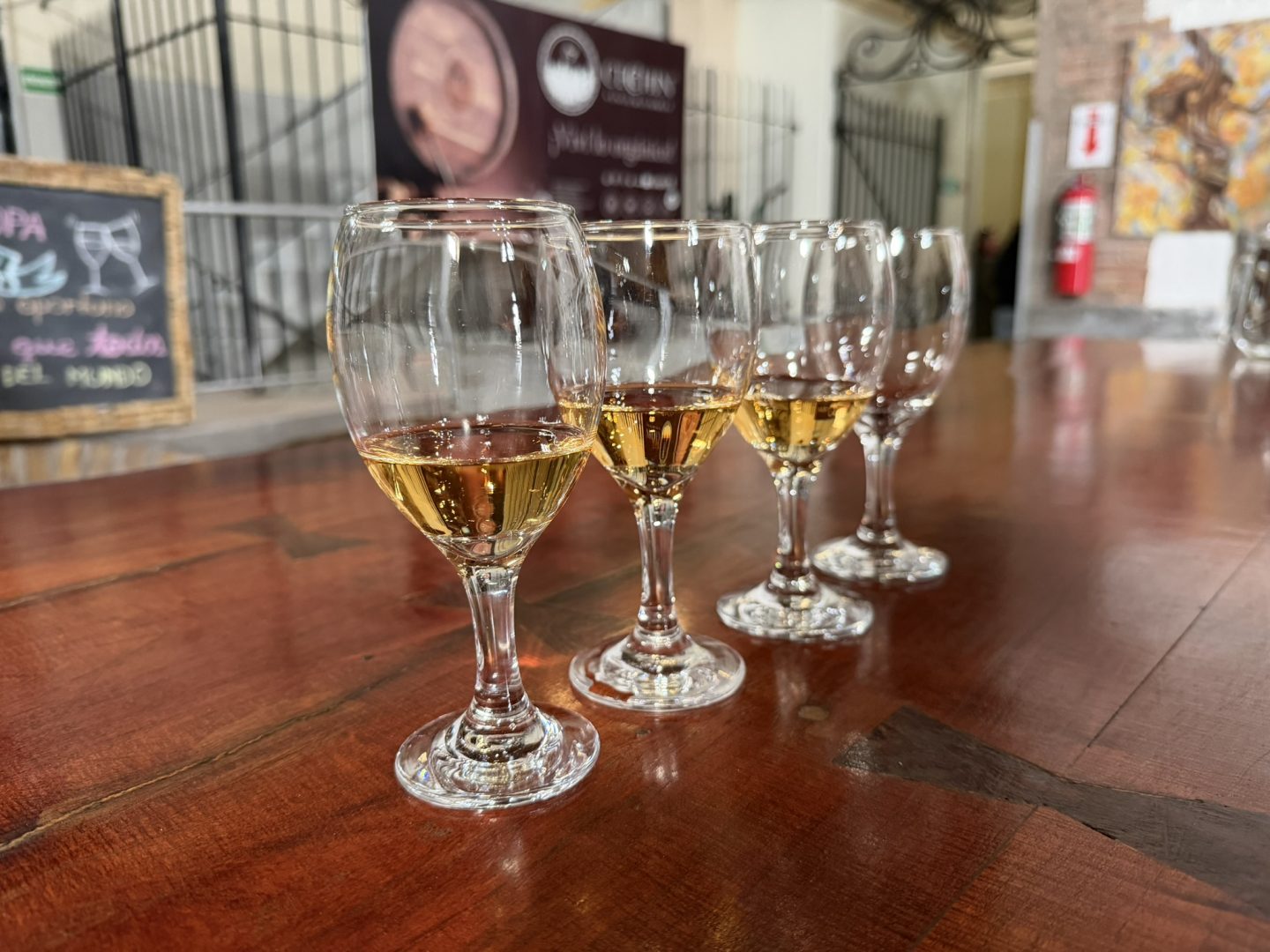
Our first stop was Familia Cecchin, which specialises entirely in organic and low intervention wines. We tried an orange wine, Graciana, Malbec, Cabernet Franc and a demi-sec sparkling wine. The visit also introduced us to some of the practicalities of growing grapes in Mendoza’s extremely dry climate, from irrigation to harvesting, as well as the winery’s historic concrete vats.
Next was Casa Corbel at Bodega Sillón, a family winery dating back to 1892, where our tasting included a naturally sweet Torrontés, two Malbecs, including a Reserva, and a Cabernet Franc. This was also our first introduction to Torrontés, Argentina’s distinctive white grape variety.
Between the wineries, we stopped at Olivícola Centenario, a family olive-oil producer in Maipú with more than a century of history. Here we learned about another important part of Mendoza’s agriculture and tasted extra virgin olive oils, olives and other local products, including oil made from the Arauco variety commonly associated with Argentina.
Our final stop was Esencia 1870, a historic winery dating back to 1870. Here we tried Torrontés Riojano and Malbec before finishing with Gran Pueblo Argentino, which was paired with a bite of alfajor. The wine takes its name from the line “Al gran pueblo argentino, salud” in Argentina’s national anthem.
The tour was a good way to see several sides of Maipú winemaking in half a day, particularly for the price, and transport between each stop was included.
Of the wineries we visited on the half-day tour, we could only find Familia Cecchin wines available in the UK, through specialist retailers including Buon Vino, Hay Wines and Les Caves de Pyrène. The wines from Casa Corbel and Esencia 1870 may be limited mainly to local or direct sales.
Bodega Lagarde, Luján de Cuyo
A local recommended Bodega Lagarde to us as one of the wineries worth seeking out in Mendoza. Founded in 1897, it’s one of the historic wineries of Luján de Cuyo and still has vines planted in 1906 and 1930. Lagarde has two restaurants within the winery: Zonda Cocina de Paisaje, which holds one Michelin Star, and Fogón Cocina de Viñedo, which is Michelin Recommended.
We booked the four course tasting lunch at Fogón, which cost around £62 per person with classic wine pairings included. One of us upgraded to the top of the line wine package for an extra £25, so we could compare more of Lagarde’s range between us. Across the two menus, we tried Sauvignon Blanc, Proyecto Hermanas White Blend, organic rosé, Guarda Cabernet Franc, Primeras Viñas Malbec, Blend de Cava 2019 and the limited production Henry Gran Guarda Nº1 2021, before finishing with sparkling wine.
Much of the produce comes from the estate itself, including its olive oil and vegetables. The whole experience is designed to be leisurely, although they very kindly condensed ours to around two hours so we could make our tasting afterwards.
We had also booked Lagarde’s Making History tasting, which was around £17 per person and explores different stages of the winery’s history through its wines. As we had already tried some of the planned wines over lunch, the team swapped a couple in our tasting. Our selection included Viognier, Proyecto Hermanas Chardonnay, Proyecto Hermanas Malbec Cabernet Franc and Primeras Viñas Malbec from the Luján de Cuyo DOC. In hindsight, we probably could have booked just the lunch, as there was already a generous amount of wine involved, but when in Mendoza! At the time of our visit, restaurant diners also received 20% off wine in the shop.
Another notable winery is Catena Zapata, which was previously ranked No. 1 in the World’s Best Vineyards, unfortunately, it was fully booked during our visit. Majestic and VINVM both carry a selection of Catena wines in the UK.
Bodega Lagarde wines can also be found in the UK through specialist wine retailers; shortly after our visit, we found them available through VINVM, Soho Wine, Mumbles Fine Wines, Partners in Wine and Vine & Bine.
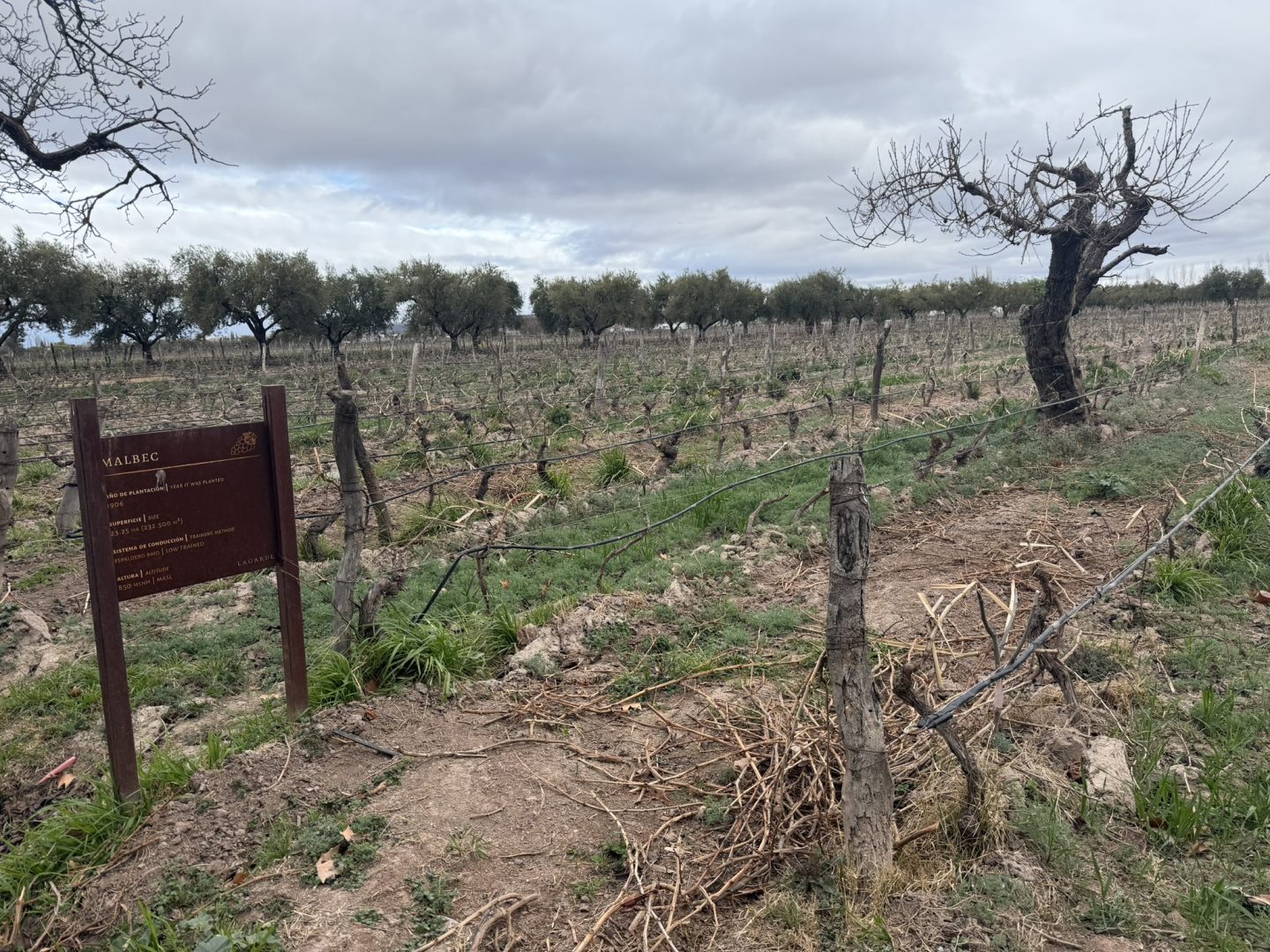
Bodega Lagarde vineyard in Mendoza Argentina
Portugal
- Main native grapes: Touriga Franca and Touriga Nacional (red); Fernão Pires (white)
- Major wine regions: Douro, Vinho Verde, Alentejo, Lisboa, Dão, Bairrada and Madeira
- Wine houses visited: Burmester Port Cellars and Pereira D’Oliveira
Portuguese wines like Mateus Rosé are familiar to British drinkers, but aren’t remotely representative of the quality or variety of Portuguese wine. The country has more than 250 indigenous grape varieties across 14 wine regions, ranging from the powerful reds of the Douro and Alentejo to the fresh wines of Vinho Verde.
Several of the Portuguese wines we tried can also be found in the UK through specialist retailers; shortly after our trip, we found Muros Antigos Loureiro at Field & Fawcett, D’Oliveira Madeira at The Good Wine Shop and Burmester Port at Vintage Port Shop.
Vinho Verde
Vinho Verde is not a grape variety but a protected designation of origin covering nine sub-regions in north-west Portugal. Only wines produced according to its regional rules can carry the Vinho Verde DOC name and numbered guarantee seal, with the region producing internationally award-winning wines.
Vinho Verde was one of the biggest surprises for me, especially because I rarely choose white wine. I first tried a Muros Antigos Loureiro during an Eatwith dinner in Lisbon, where the wines had been expertly paired with each course. The following evening, I spotted Vinho Verde on the wine list at a Fado house and, for once, knew exactly what to look for.
It has also become much easier to find at home in the UK, and I have discovered a surprisingly good selection in Lidl. Look for Vinho Verde DOC and the numbered guarantee seal on the bottle so you know it genuinely comes from the designated region.
The Vinho Verde region is also home to internationally recognised wineries, including Quinta da Aveleda and Soalheiro, both of which have featured in the World’s Best Vineyards rankings and are now firmly on my list for a future visit.
Madeira Wine
Madeira wine deserves its own mention because it’s a protected fortified wine that can only be produced in Madeira.
Madeira has around 400 hectares of vineyards spread across its dramatic terraced slopes. For a vineyard experience rather than a city tasting, Quinta do Barbusano in São Vicente and Terrabona in Boaventura both offer visits among the vines, while Pereira D’Oliveira is a historic Funchal wine house where the wines are aged and tasted. We tasted three Madeira wines at Pereira D’Oliveira. We hadn’t booked and were lucky to find a table for an informal tasting.
For a more structured option, this guided Madeira wine tasting in Funchal includes five wines with a sommelier and local food pairings.
- For the rest of the island, see my guide to planning a weekend in Madeira.
Port
Port is wine, but it is fortified wine. It is made from grapes grown in Portugal’s Douro Valley, with grape spirit added during fermentation, leaving it sweeter and stronger than still wine.
Although the grapes are grown and the wine is produced in the Douro, many historic Port houses age their wines in Vila Nova de Gaia, directly across the river from Porto. Simply walking across the Luís I Bridge places you within easy reach of more than a dozen famous cellars, making this one of the easiest places to compare different Port houses and styles without travelling into the Douro Valley.
We headed to Burmester, a historic Port house rather than a vineyard. We shared the €19 Classic Pack between two, bringing the tasting to just €9.50 each. The tasting included two still Douro wines followed by three Ports, offering an affordable introduction to both. We hadn’t booked and were able to walk in, but with more time I would reserve a full Burmester cellar tour in advance to learn more about how Port is produced and aged.
Burmester also produces still Douro wines alongside its Ports. When we visited, half-bottles of its Douro DOC red were available for just €4, making it easy to take one home and continue exploring the region beyond fortified wine.
To go beyond the cellars of Vila Nova de Gaia, a full-day Douro Valley tour from Porto combines vineyard country, wine tastings, lunch and a river cruise.
- For everything else we fitted into the city, see my guide to spending one day in Porto.

From small family-run vineyards to historic wine houses and major international producers, every visit has offered something completely different. I will continue adding to this guide as I explore more of the world’s wine regions.

