A DMZ tour from Seoul is an experience that cannot be missed because the divide between North and South Korea cannot be ignored. More than 70 years later, North and South Korea remain divided by a four kilometre wide buffer zone, surrounded by military checkpoints, restricted villages and one of the most heavily fortified borders in the world.
An armistice halted the fighting in the Korean War in 1953, leaving the two countries without a peace treaty and the peninsula technically still at war. With the opportunity to speak directly with a North Korean defector, this DMZ tour offered a rare chance to hear from someone who had lived on the other side of that divide.
The tour did not sensationalise the border or promise close contact with North Korea. Instead, it helped explain the geography, military controls and human consequences of a division that continues to separate families today.
This article contains affiliate links. I may earn a small commission if you book through them, at no additional cost to you.
How to choose and book a DMZ tour from Seoul
I would prioritise a DMZ tour from Seoul that includes the Third Infiltration Tunnel, Dora Observatory and a North Korean defector Q&A, as these were the most interesting and memorable parts of the day. The tunnel and observatory cannot be visited independently, while the defector Q&A is only included on selected tours.
I booked the DMZ Insider Tour: Defector Q&A, Third Tunnel and Bridge Options. The suspension bridge was enjoyable and had additional relevance for me because of its connection with my UK hometown, but i didn’t feel it was essential to the DMZ experience. This is the stop I would be most willing to remove to save time or money.
Our bus left Myeongdong at 7am and returned at around 3.30pm.
Gamaksan Suspension Bridge
Gamaksan Suspension Bridge is also known as the Gloucester Heroes Bridge, commemorating the British soldiers who fought in the area during the Korean War.
The surrounding area is closely connected to the Battle of the Imjin River and the Gloucestershire Regiment, whose position on Hill 235 became known as Gloster Hill. Having grown up in Gloucestershire, this gave the stop far more personal significance than someone approaching it purely as a scenic stop.
We arrived shortly after 8.15am. Reaching the bridge involved an uphill walk of around 15 minutes. The climb was moderate, although it could feel steeper in hot or humid weather.
The bridge stretches across a wooded valley and is visually impressive, but if you’re primarily interested in the political history of the DMZ you could reasonably select a shorter itinerary without it.
Meeting a North Korean defector
The strongest part of the tour was the opportunity to meet and speak with a North Korean defector.
Our guide explained that the tour company tries to pair the same guide and defector repeatedly. Over time, this allows them to develop trust and a deeper understanding of each other.
Our female North Korean defector wore a cap and glasses to help conceal her identity, but answered questions about her journey to South Korea, whether she was happy there and what she still missed about North Korea. Hearing someone speak about ordinary memories, family and adjustment made the subject feel far more human.
Her own experience and perspective gave admissions about the difficult routes some defectors take through China, including frozen river crossings, paying brokers and officials and the role money can play in determining who is able to escape. She also spoke about the concern for relatives and friends left behind.
More than anything else on the itinerary, the conversation brought a human voice to an ongoing situation that can otherwise feel distant, and I genuinely think it is worth choosing a tour that includes it.
Walking through the Third Infiltration Tunnel
The Third Infiltration Tunnel was discovered in 1978 after a North Korean survey engineer defected and provided information that helped South Korea locate the tunnel.
The closest of the four discovered infiltration tunnels, it lies around 73 meters underground and is around two metres wide and two metres high. Visitors can only walk as far as the sealed section near the Military Demarcation Line and is one of the closest places to North Korea that visitors can reach on a standard DMZ tour.
Looking into North Korea from Dora Observatory
The final stop was the Dora Observatory where visitors can look across the border towards North Korean farmland, mountains and the city of Kaesong. The distance is considerable with binoculars needed, and the view can be affected by haze or poor weather. Strict photography restrictions were in place during our visit because of the military setting and current security concerns.
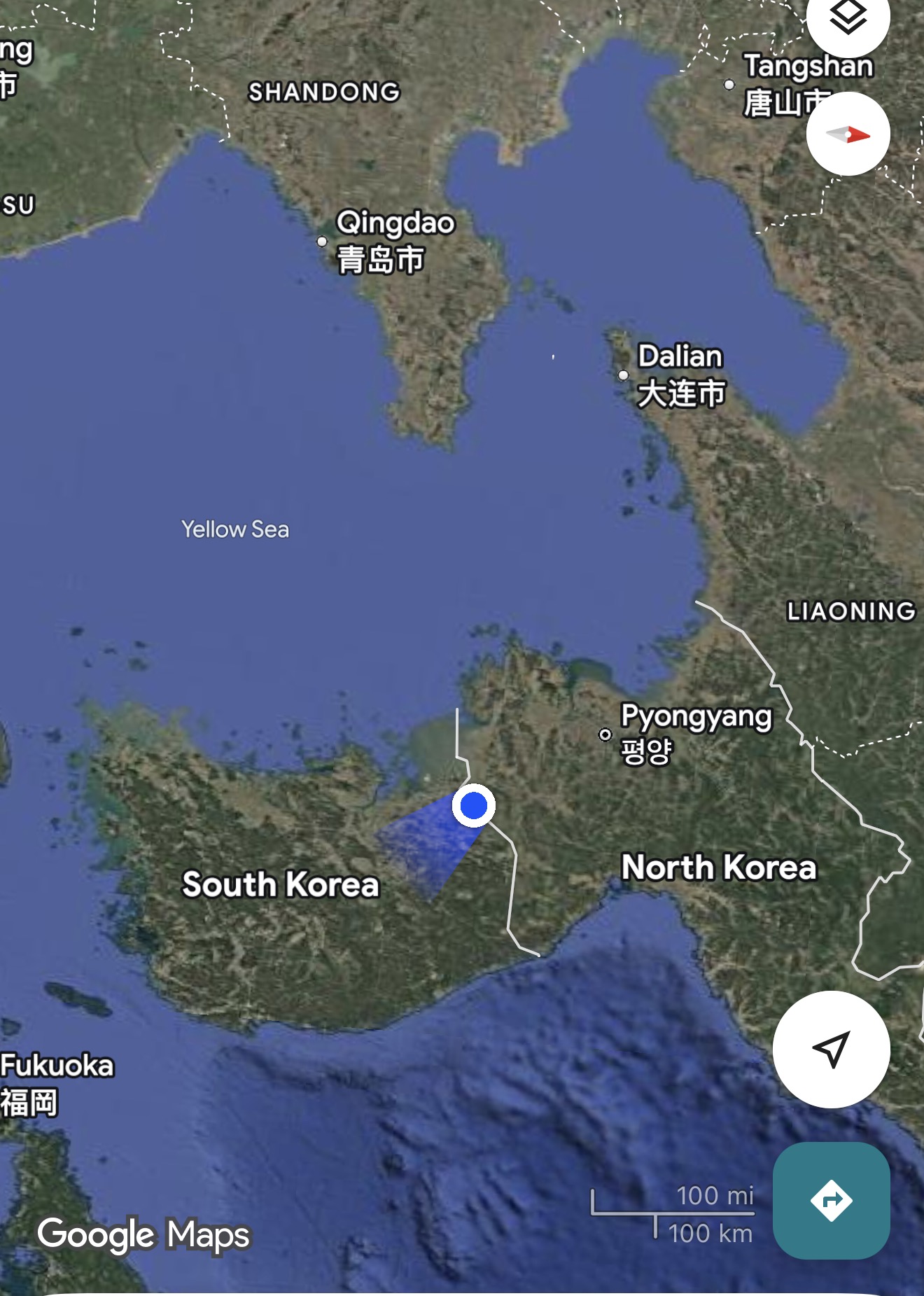
Was the DMZ tour from Seoul worth it?
I thought this DMZ tour from Seoul was worth the early start. The deciding factor was the session with the North Korean defector, as the Q&A addressed escape, family separation, adaptation and the complicated reality of building a life in South Korea without reducing North Korea to propaganda or a spectacle.
Planning more of your time in Seoul
The DMZ was one of the most meaningful day trips I took whilst visiting Seoul. For attractions, neighbourhoods and other first time experiences, continue with my best things to do in Seoul for first time visitors.
For a completely different side of the city, my Seoul guides also cover whether a personal colour analysis in Seoul is worth the price and what I learned from an extended skin analysis at Seoulistique.
![5 Unmissable Things to Do in Thailand [2026 Update]](data:image/png;base64,iVBORw0KGgoAAAANSUhEUgAAAlgAAAGQAQMAAABI+4zbAAAAA1BMVEUAAACnej3aAAAAAXRSTlMAQObYZgAAADRJREFUeNrtwQENAAAAwiD7p7bHBwwAAAAAAAAAAAAAAAAAAAAAAAAAAAAAAAAAAAAAgKQDdsAAAWZeCiIAAAAASUVORK5CYII=)
