Taipei is one of the easiest cities to visit in Taiwan, but there are still a few things worth knowing before you arrive.
This guide covers the practical side of visiting Taipei for the first time, including entry requirements, where to stay, how to get around. For more detailed planning, you can also read my guides to where to stay in Taipei, the best things to do in Taipei and what to eat in Taiwan.
This post contains ads and affiliate links, which help cover the running costs of this blog at no extra cost to you. I only recommend things I would genuinely consider useful.
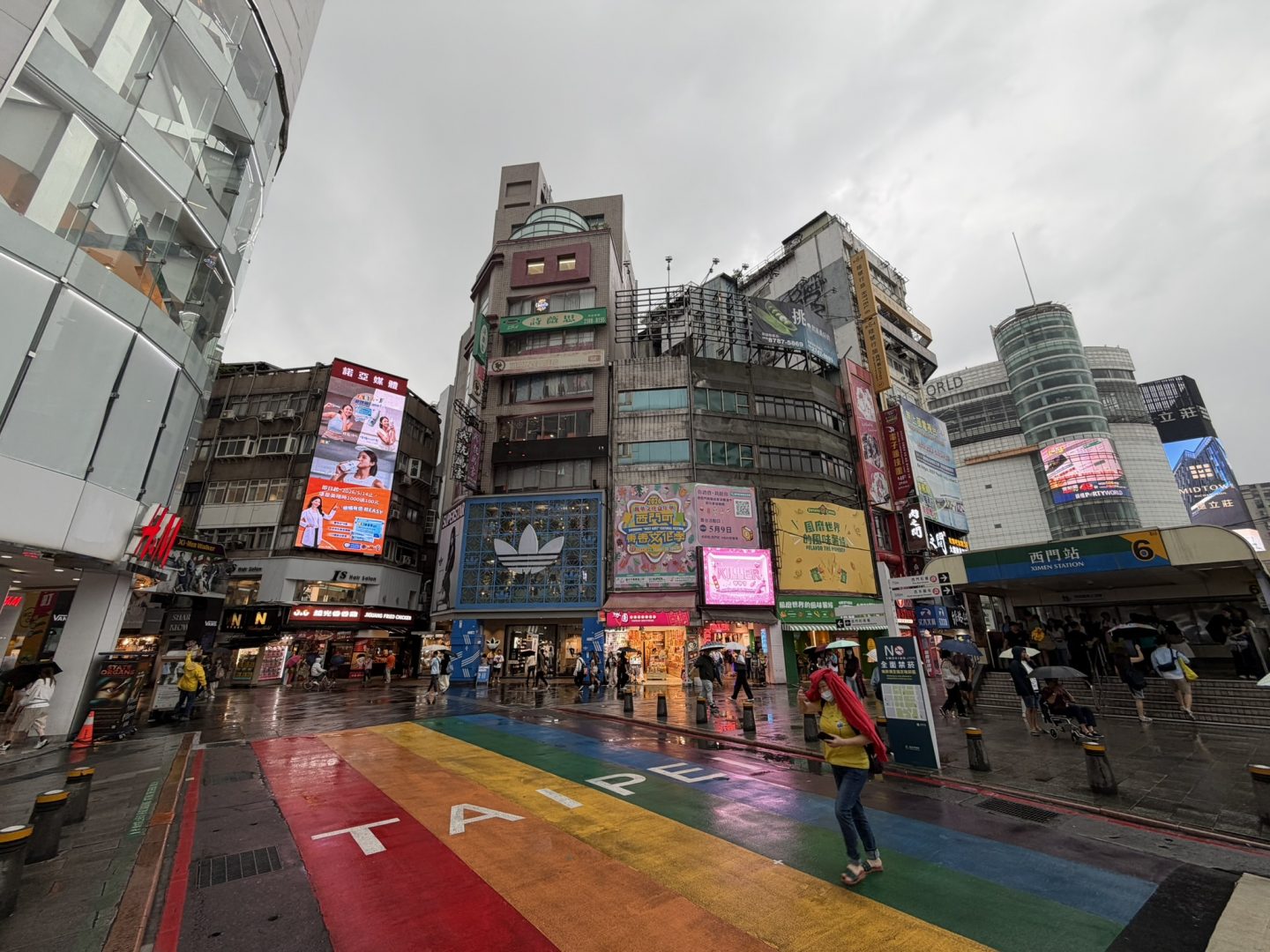
Is Taipei worth visiting?
Yes, Taipei is absolutely worth visiting, especially if it’s your first time in Taiwan. It’s easy to travel independently, even if you do not speak Mandarin.
The public transport is simple to use, the food scene is excellent, and there is a good mix of modern city life, temples, night markets and scenic viewpoints. You can spend the morning visiting a temple, the afternoon in a creative park or shopping district, and the evening eating your way around a night market.
It is safe, well connected, food-focused and simple to explore without hiring a car or joining a tour.
Taipei is also a good base for day trips, so you can see more of northern Taiwan without needing to move hotels every night.
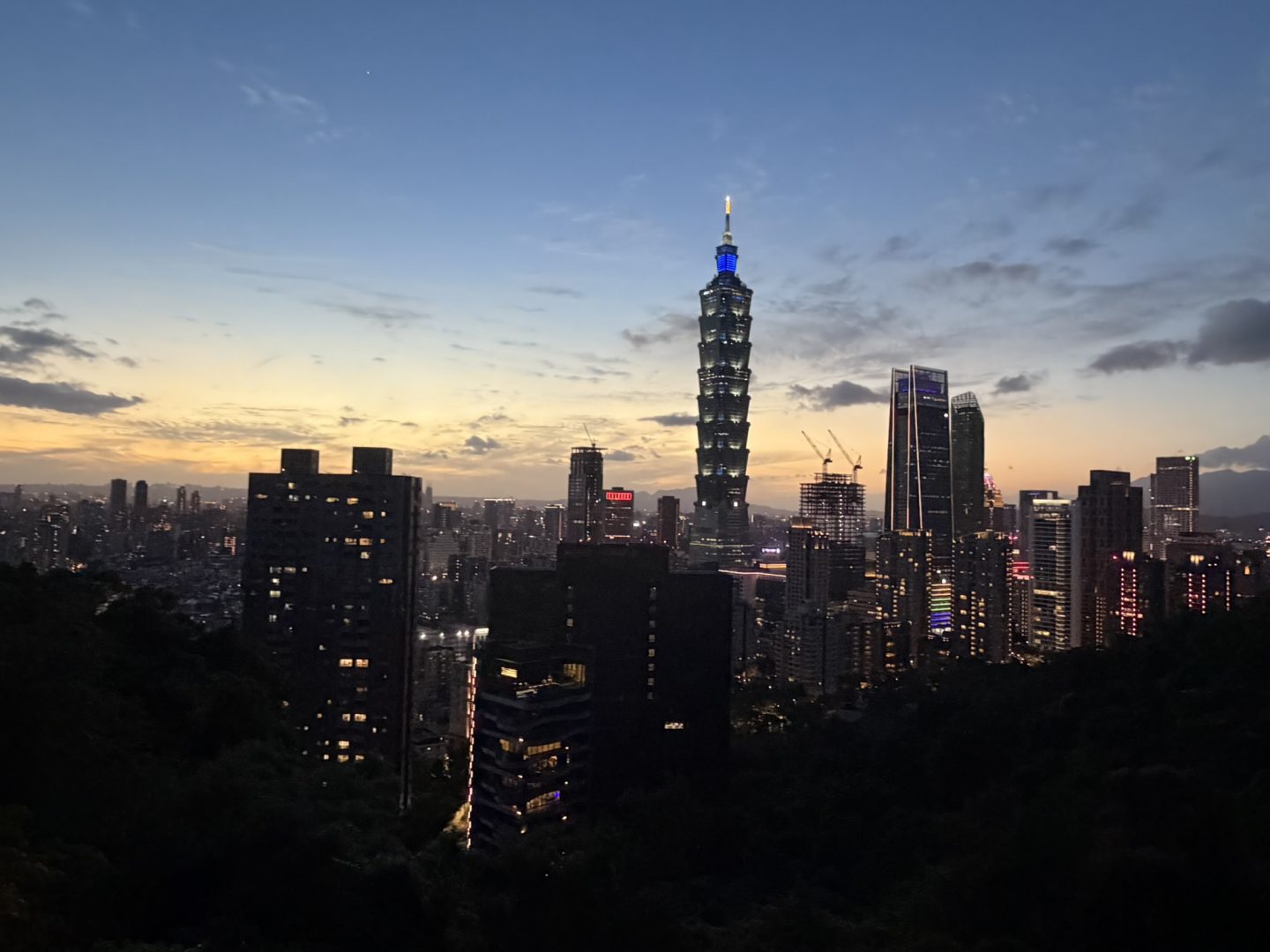
How many days do you need in Taipei?
For a first trip, I would recommend spending at least 3 days in Taipei.
You can see some highlights in 2 days, but with 3 or 4 days, you have enough time to see the main sights, try different food areas, visit a night market and potentially add a short day trip.
As a rough guide:
- 2 days in Taipei is enough for the major highlights if you are short on time
- 3 days in Taipei is ideal for a first visit
- 4 to 5 days in Taipei gives you time for slower exploring and day trips
- A week in Taipei works well if you want to use the city as a base and take several day trips
Taiwan entry requirements
British citizens can visit Taiwan visa-free for up to 90 days. Your passport must have at least six months’ validity from the day you arrive, and you should complete the Taiwan Arrival Card online within three days before arrival.
You may also be asked to show proof of onward or return travel, so consider having your flight, ferry or onward ticket saved somewhere easy to access.
Entry requirements can change, so always check the latest official advice before you travel.
Arriving in Taipei
Most visitors arrive at Taiwan Taoyuan International Airport, which is outside Taipei city centre. Once you land, set up your eSIM or buy a SIM card at the airport so you can use maps and translation apps straight away. Withdraw some cash before leaving the airport, especially if you’re arriving late, heading straight to your accommodation or planning to eat somewhere casual on your first evening.
The easiest way into central Taipei is usually the Airport MRT, especially if you are staying near Taipei Main Station or somewhere with good MRT links. A taxi or Uber can be easier if you have heavy luggage, arrive late at night or are staying somewhere less direct by public transport.
Where to stay in Taipei
Taipei is easy to get around by MRT, but you’ll still want to base yourself somewhere convenient and close to a station.
We stayed in this Airbnb in Ximending, which worked well because it was lively, central and easy for food, shops and transport. Other good areas for first-time visitors include Taipei Main Station for transport, Zhongshan for restaurants and cafés, Da’an for a calmer neighbourhood feel, and Xinyi for Taipei 101, shopping and modern hotels.
How to get around Taipei
Taipei is one of the easiest cities in Asia to get around without a car.
The MRT is clean, efficient and simple to use, and it connects many of the areas first-time visitors are likely to stay in or visit. Stations are well signed in English and Mandarin, trains are frequent and Google Maps works well for planning routes.
One thing to know before you travel is that you should not eat or drink on the MRT or inside stations.
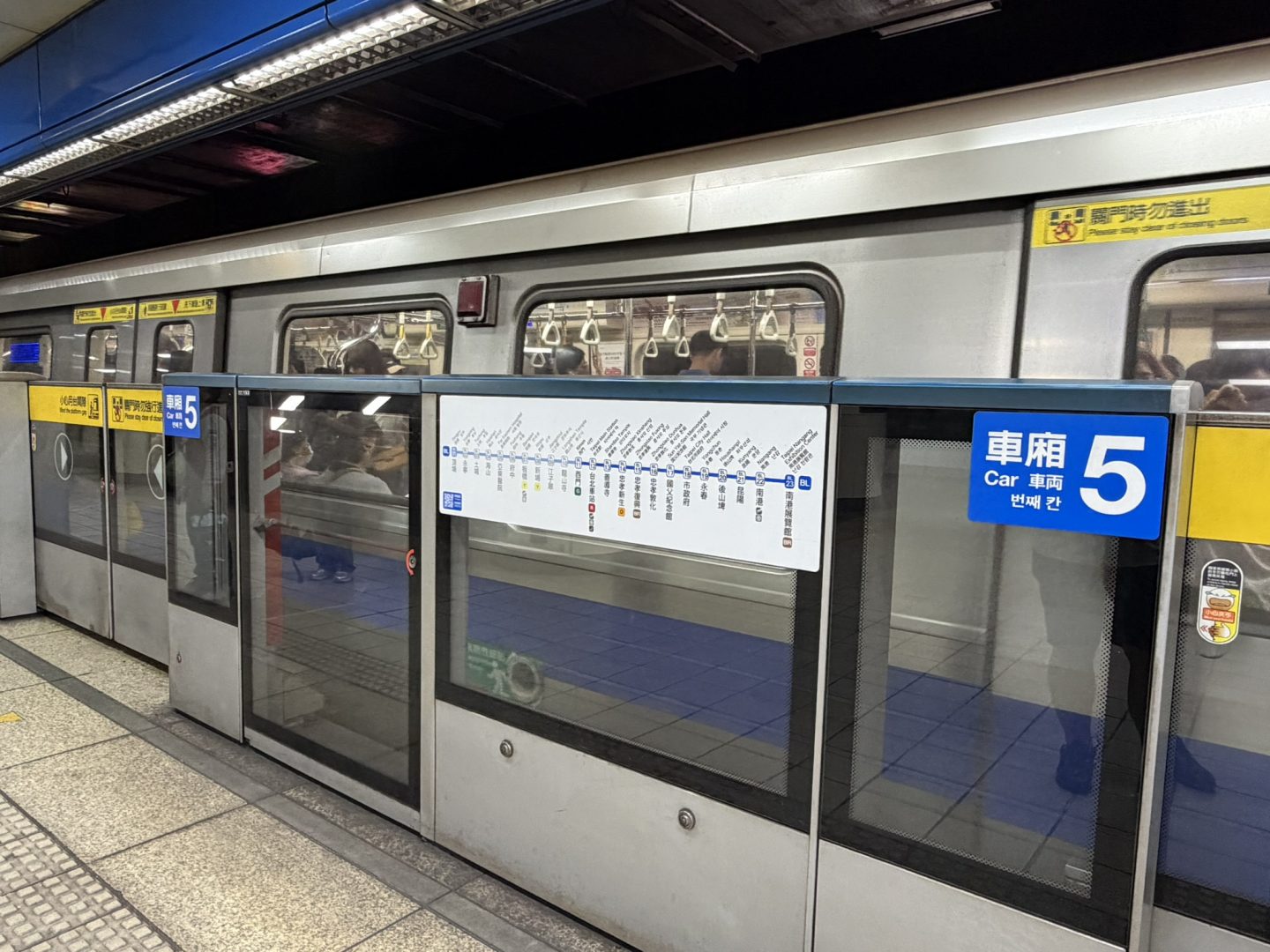
I’d also recommend getting an EasyCard at the start of your trip. It’s a stored-value card that lets you tap in and out of the MRT and buses, so you don’t need to buy a ticket each time. You can usually buy and top it up at MRT stations and convenience stores, but top-ups are often cash-only.
If you want a novelty EasyCard, you can find fun designs in some 7-Elevens. There’s also a shop on the fourth floor of Wan Nian Building in Ximending that sells lots of novelty EasyCards, including the fun shapes, but they have increased their prices recently, so it’s not the most affordable option.
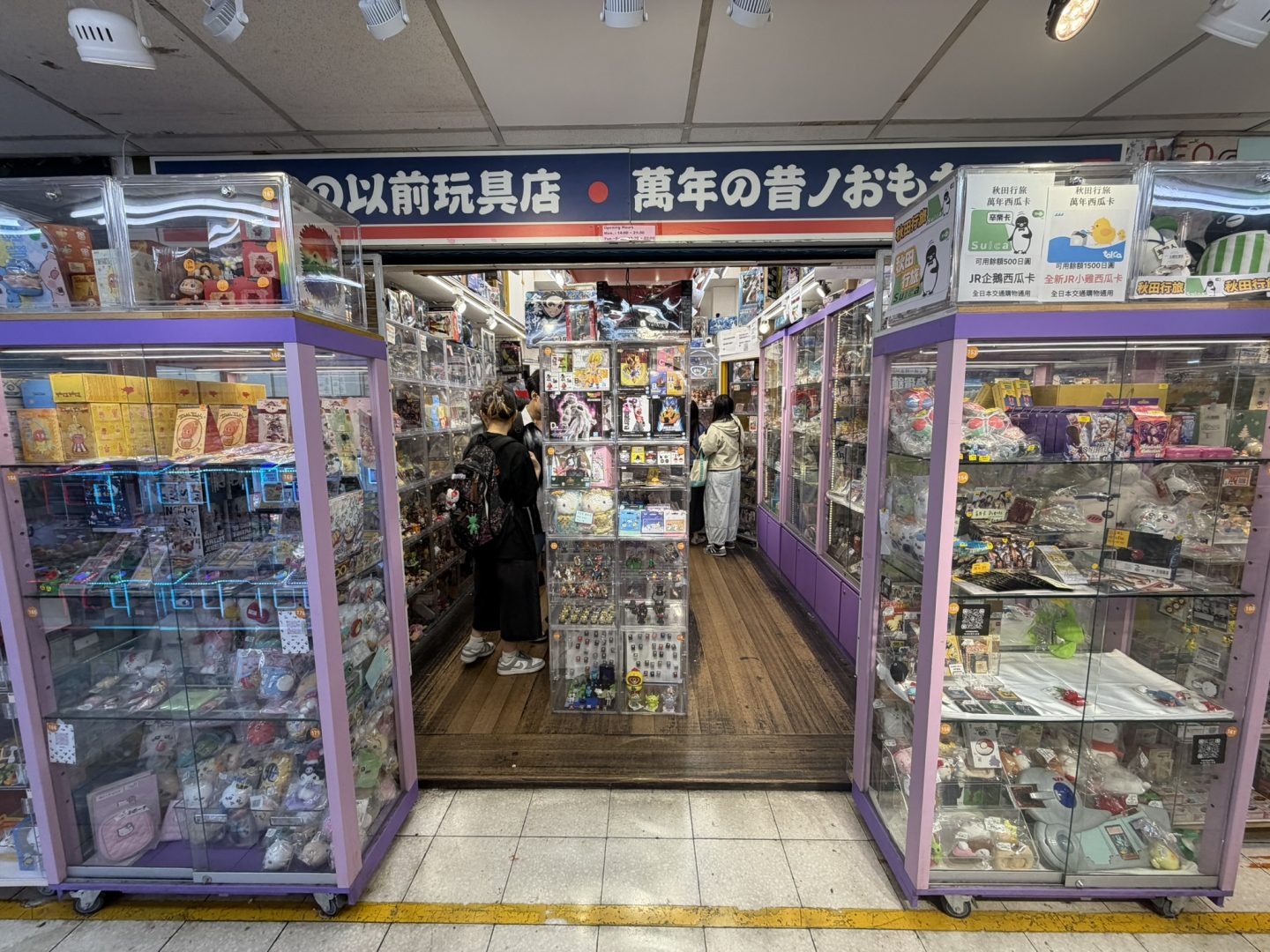
Novelty EasyCard shop in Wan Nian Building Ximending
If you have been travelling around Asia, it is useful to know that Taiwan uses Uber rather than Grab. If you are used to relying on Grab in places like Thailand, Vietnam, Malaysia or Singapore, download or check your Uber app instead.
Travelling beyond Taipei
The Taiwan High Speed Rail makes it easy to visit other cities on the west coast, including Taichung, Tainan and Kaohsiung. The journey from Taipei HSR Station to Taichung HSR Station takes around 60 minutes.
Taiwan also has luggage delivery services, which can be useful if you are travelling between cities and don’t want to carry bags around all day. It’s not as obvious or tourist-facing as Japan’s luggage forwarding system, so it can be worth asking your hotel or looking into courier options if you are travelling with large luggage.
You can also take a regular Taiwan Railway train from Taipei to Taichung, although it’s slower than the High Speed Rail. There are also coach services between Taipei and Taichung. These are usually cheaper than the train options, but take longer. They can be useful if you are travelling on a tighter budget or booking last minute.
What to eat in Taipei
Food is one of the biggest reasons to visit Taipei, it has everything from casual breakfast shops and beef noodle restaurants to Michelin-recognised street food and some of the best cheap eats in Taiwan.
I would prioritise a few classic Taipei food experiences. Try beef noodle soup at Lao Shandong Homemade Noodles in Ximending. Go to Fu Hang Soy Milk for a traditional Taiwanese breakfast. Visit Raohe Street Night Market for black pepper buns and if you want a polished sit-down meal, Din Tai Fung Taipei 101 is a good place to try xiao long bao.
Taipei is also a good city for desserts and quick snacks, so leave space for mango shaved ice, pineapple cake, bubble tea and convenience store food. Taiwan’s 7-Elevens are genuinely useful for travellers, and some branches are themed, including character cafés and novelty stores, and a few even have bar-style areas, which makes them worth a quick look if you come across one.
If you want to know the best bubble tea in Taipei and where to find Michelin-recognised night market stalls, read my What to Eat in Taiwan: A First-Timer’s Food Guide.
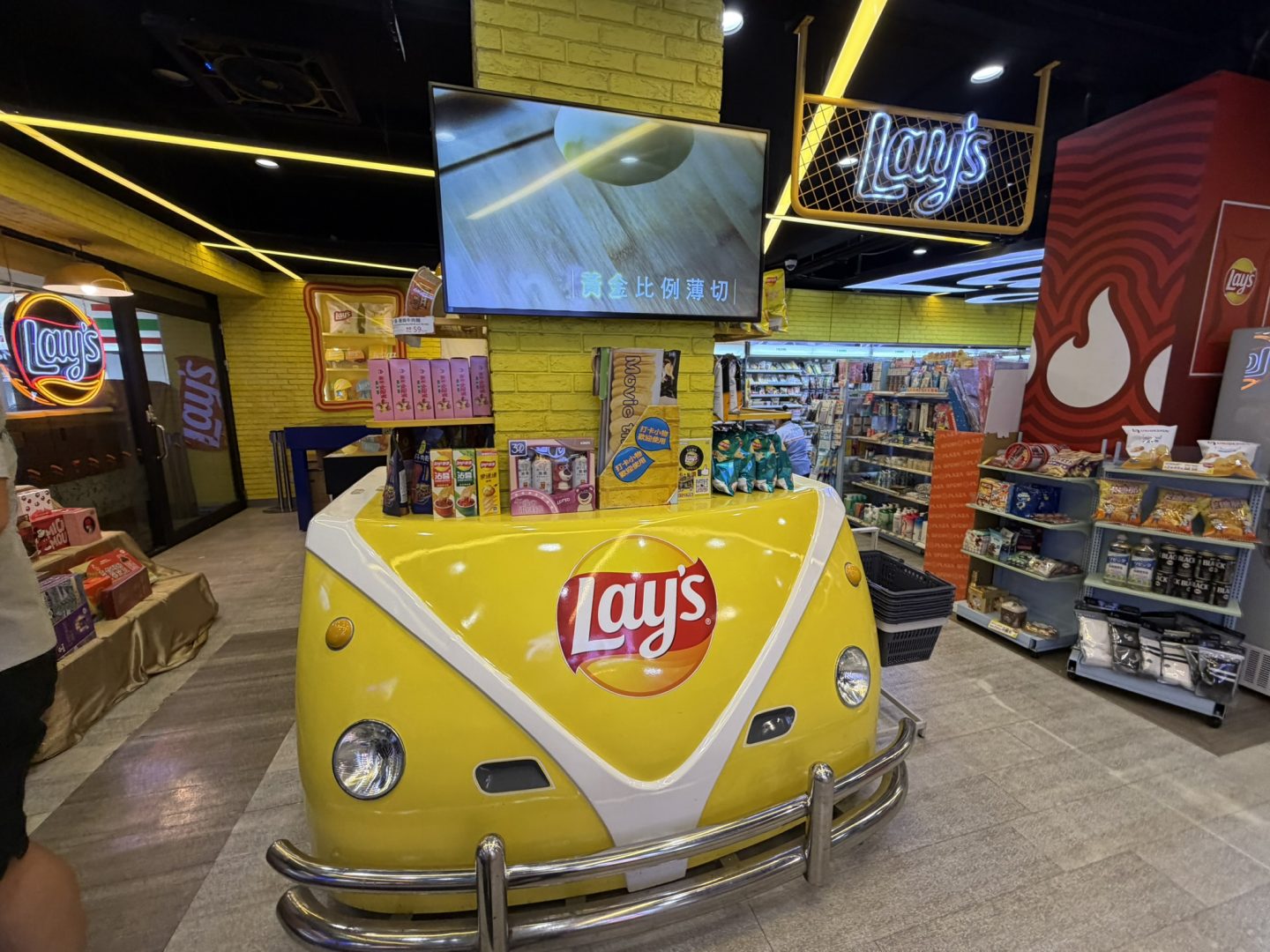
Lays Themed 7-Eleven in Taipei
Best things to do in Taipei
Taipei has a good mix of city sights, temples, viewpoints, shopping streets, night markets and easy day trips.
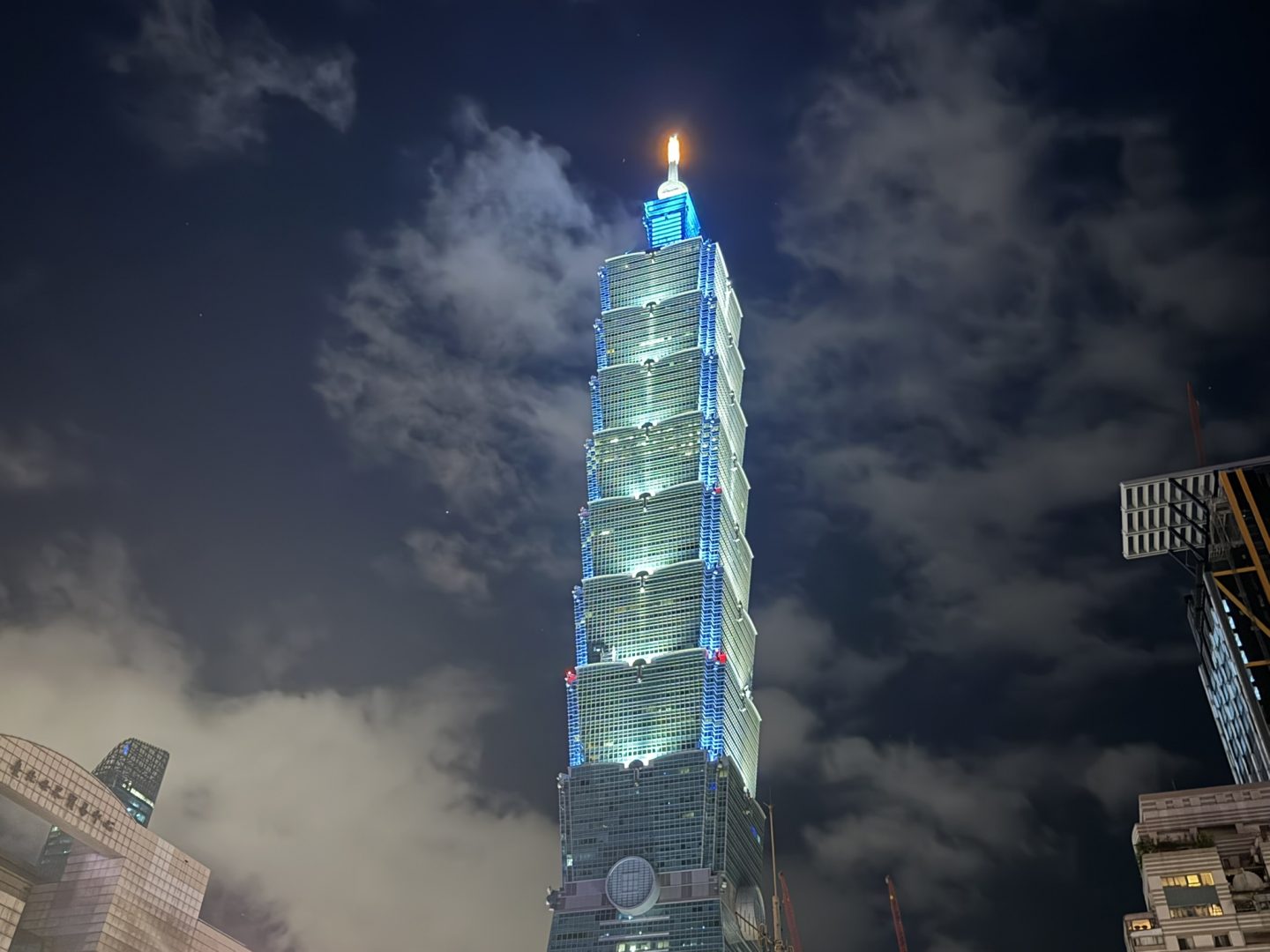
Some of the best things to do in Taipei include visiting Taipei 101, walking up Elephant Mountain for skyline views, seeing Longshan Temple, exploring Ximending, visiting Chiang Kai-shek Memorial Hall, wandering around Dihua Street and spending an evening at a night market. If you have more time, you can also add places like Beitou, Maokong, or a day trip to Jiufen and Shifen.
For the full list, read the best things to do in Taipei.
Practical Taipei travel tips
Cash is still useful. Hotels, malls and larger restaurants often accept cards, but night markets, small food stalls, breakfast shops and local restaurants may be cash-only. For a first trip, keep small notes and coins with you, especially in the evening. You don’t need huge amounts of cash every day, but you should not rely on card payments everywhere.
You can visit without speaking Mandarin. English is more common in hotels, tourist attractions and transport hubs, but it’s not guaranteed in smaller restaurants, food stalls and local shops. Save your accommodation address in Mandarin, use a translation app and screenshot important places before you leave your hotel. Picture menus and pointing politely also help.
Taipei feels very safe. Public transport is organised, streets are busy and solo dining is normal, so Taipei is a comfortable city for solo travellers. You should still use normal city awareness, especially in crowded night markets or late at night, but it’s not a city where you need to feel on edge.
You may need a plug adaptor. Taiwan uses Type A and Type B plugs, the same style used in the US and Japan. Phones, laptops and camera chargers are usually fine with the right adaptor, but check any higher-powered items before bringing them.
Dress for walking, humidity and rain. Taipei involves more walking than you might expect, so comfortable shoes matter. Light layers, breathable clothes and a compact umbrella are useful, especially if you are visiting during warmer or wetter months. If you are visiting temples, dress respectfully.
Taipei Frequently Asked Questions
How many days do you need in Taipei?
Three days is a good amount of time for a first visit to Taipei. It gives you enough time to see the main sights, visit a night market, try local food and get a feel for the city without rushing.
Is Taipei worth visiting?
Yes, Taipei is worth visiting, especially if it is your first time in Taiwan. It is safe, easy to get around, full of good food and has a good mix of temples, night markets, viewpoints, shopping areas and day trips.
Where should first-time visitors stay in Taipei?
For most first-time visitors, Ximending, Taipei Main Station, Zhongshan, Da’an and Xinyi are the best areas to consider. Ximending is a good choice if you want somewhere lively, central and convenient.
Do British citizens need a visa for Taiwan?
British citizens can visit Taiwan visa-free for up to 90 days for tourism, but you should check the latest official entry requirements before travelling.

