Seoul is not short of things to do. One thing I had not appreciated before visiting Seoul was just how large and spread out the city is. Its transport system is excellent, but many of the neighbourhoods and attractions that appear side by side on a saved list can take a surprising amount of time to travel between.
This post contains ads and affiliate links, which help cover the running costs of this blog at no extra cost to you. I only recommend things I would genuinely consider useful.
Rent a Hanbok and Explore Gyeongbokgung Palace
There are five royal palaces in Seoul, but Gyeongbokgung was the first and largest of the five principal palaces constructed during the Joseon dynasty in 1395.
The normal adult admission fee is only 3,000 won, however entry to the palace is free when wearing a qualifying hanbok.
Hanbok is traditional Korean clothing, typically consisting of a short upper garment called a jeogori, worn with a full skirt known as a chima or loose trousers called baji. Styles are available to rent from the many shops surrounding Gyeongbokgung, often with optional accessories and hairstyling. To be eligible, you must wear both the upper and lower garments; pairing a hanbok skirt with a T-shirt, or a jeogori with jeans, does not qualify.
Gyeongbokgung is closed on Tuesdays. If a public holiday falls on a Tuesday, the palace closes on the following working day instead. Opening hours vary seasonally, with last admission one hour before closing.
The Changing of the Royal Guard ceremony normally takes place outside Gwanghwamun Gate at 10 am and 2 pm, except on Tuesdays, although schedules can change because of weather, events or maintenance.
I would also consider Changdeokgung and its Secret Garden if you’re particularly interested in architecture, gardens or Korean history.
Explore Bukchon Hanok Village respectfully
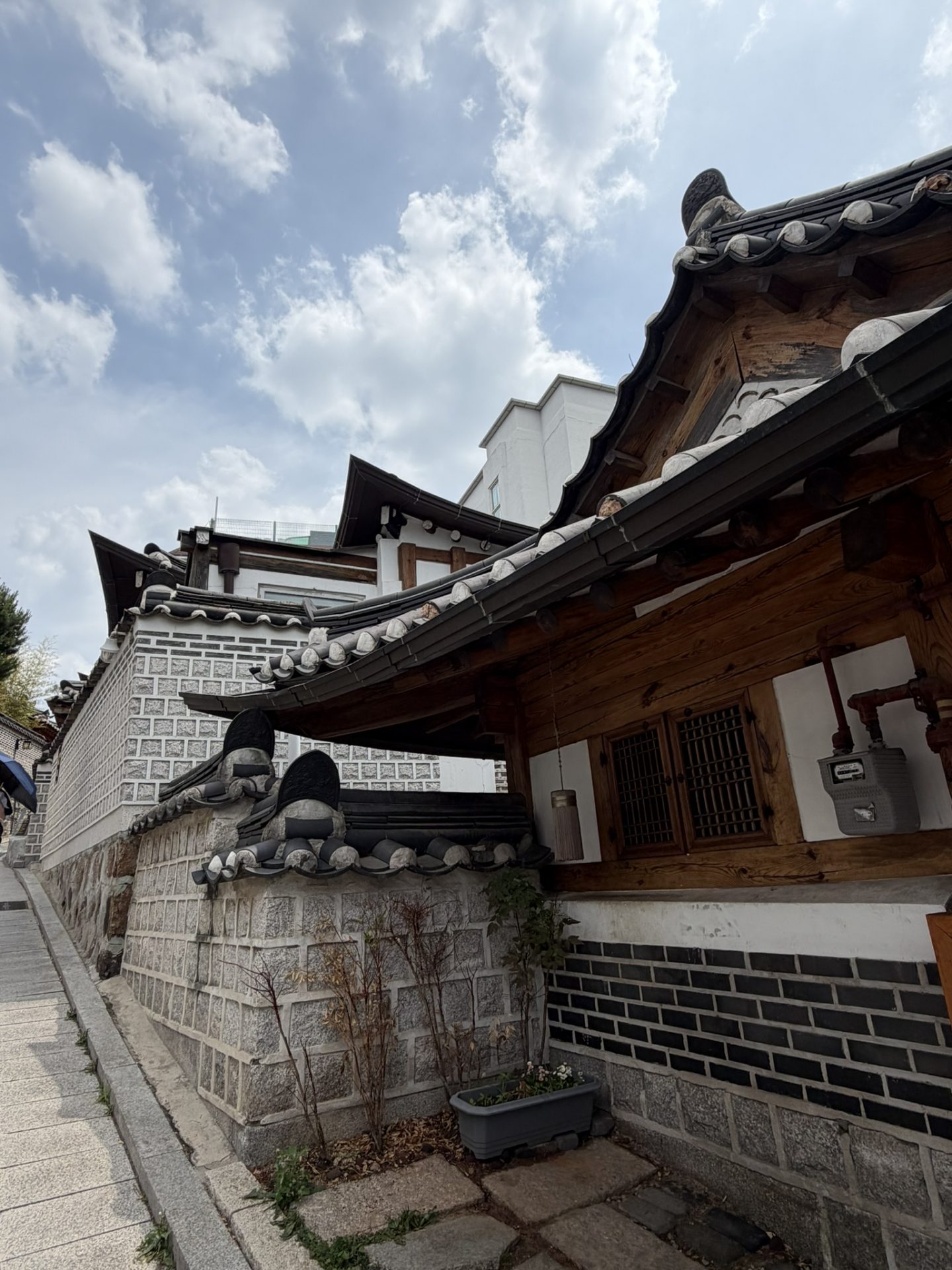
Bukchon Hanok Village sits between Gyeongbokgung and Changdeokgung and is one of the best places in Seoul to see traditional Korean houses, known as hanok. Many feature tiled roofs, wooden frames, internal courtyards and ondol underfloor heating.
Historically, the area was home to members of the royal family, government officials and other wealthy families during the Joseon dynasty. Many of the houses visible today were built during the 1920s and 1930s as Seoul expanded. Some hanok now house galleries, shops and craft studios where visitors can try traditional activities such as hanji paper crafts, decorative knot-making, mother-of-pearl inlay or tea ceremonies.
Most importantly, remember that people still live here. Keep noise down, avoid blocking entrances and do not photograph residents or the interiors of private homes without permission. Tourist access to the designated red zone around Bukchon-ro 11-gil is restricted between 5 pm and 10 am, with a fine of KRW 100,000 for violations. The restriction has been enforced since 1 March 2025.
Bukchon is free to visit, and it’s advised to allow around one to two hours, depending on whether you plan to visit any workshops. It combines naturally with Gyeongbokgung Palace because the two are within walking distance.
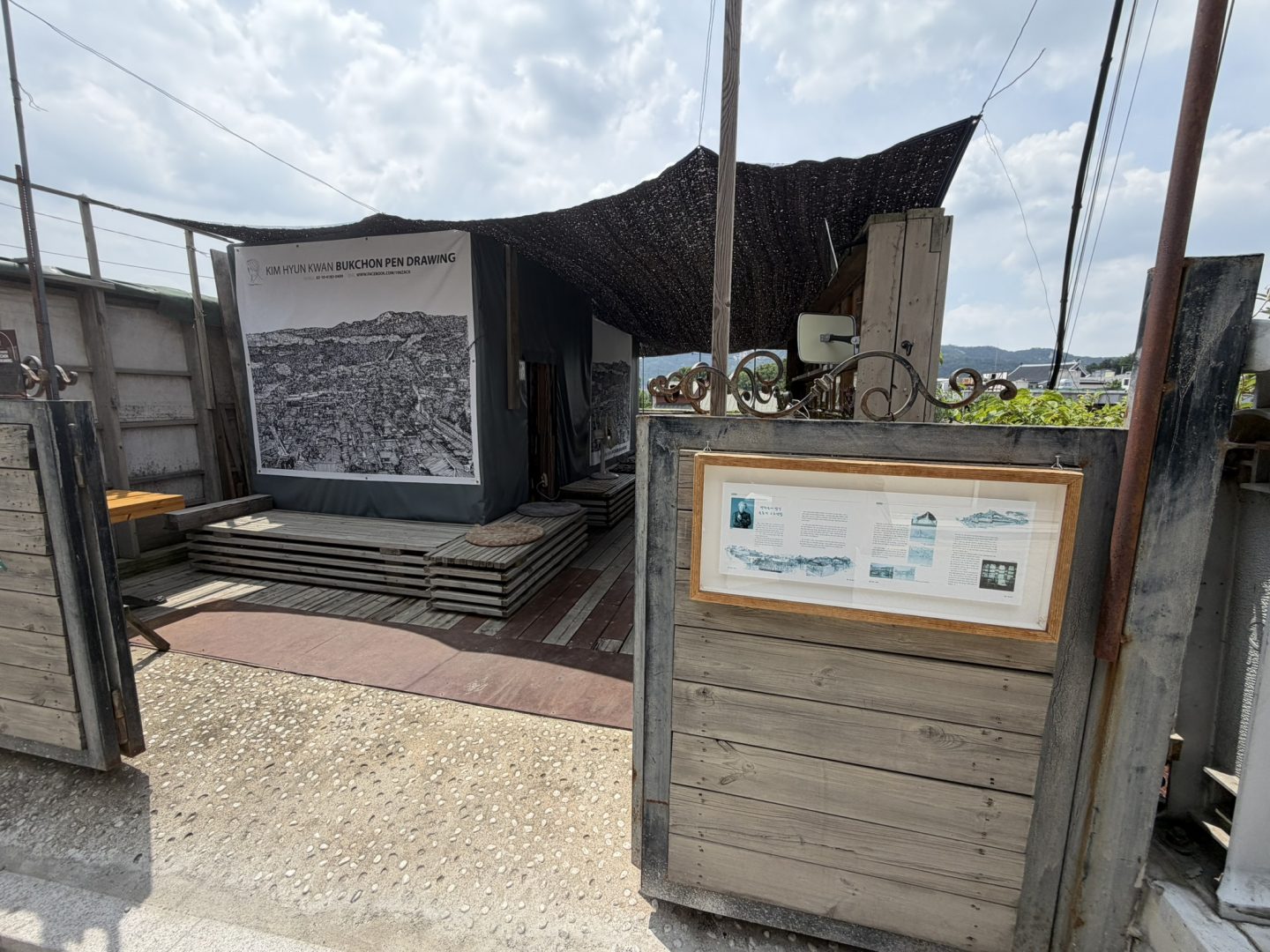
Don’t miss artist Kim Hyun Kwan, who draws and sells detailed pen-and-ink illustrations of Bukchon and the surrounding cityscape from his small studio. The prints make a beautiful, affordable souvenir and feel far more personal than something mass-produced.
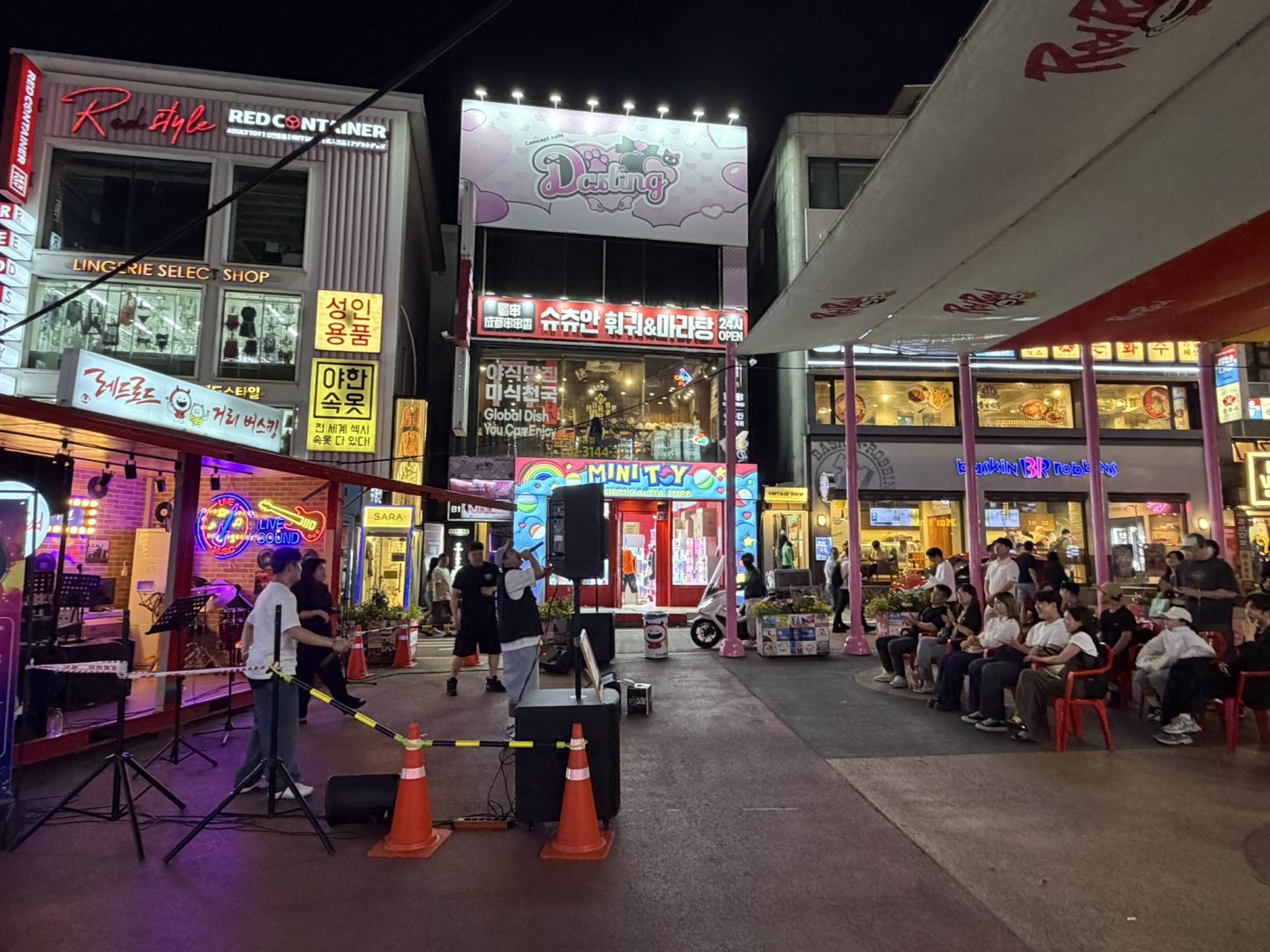
Watch Street Performers in Hongdae
Hongdae was one of my favourite neighbourhoods in Seoul, known for its buskers, dance performances and mix of fashion, cosmetics, cafés and restaurants.
It’s usually described as the city’s youthful nightlife district, but that makes it sound as though there is little reason to visit unless you are planning to go clubbing. The wider appeal is the atmosphere, particularly as the area becomes lively later in the day.
K-pop dance groups, singers and other buskers perform throughout the streets, alongside artists offering anime-style portraits and quick caricatures. Try your luck at one of Hongdae’s claw-machine arcades, browse the gacha capsule machines, take photographs in one of the neighbourhood’s many photo booths or try a private karaoke room.
Hongdae is also a good place to continue into the evening with Korean barbecue, fried chicken or drinks, although I wouldn’t choose the neighbourhood specifically for the food.
Shop in Seongsu
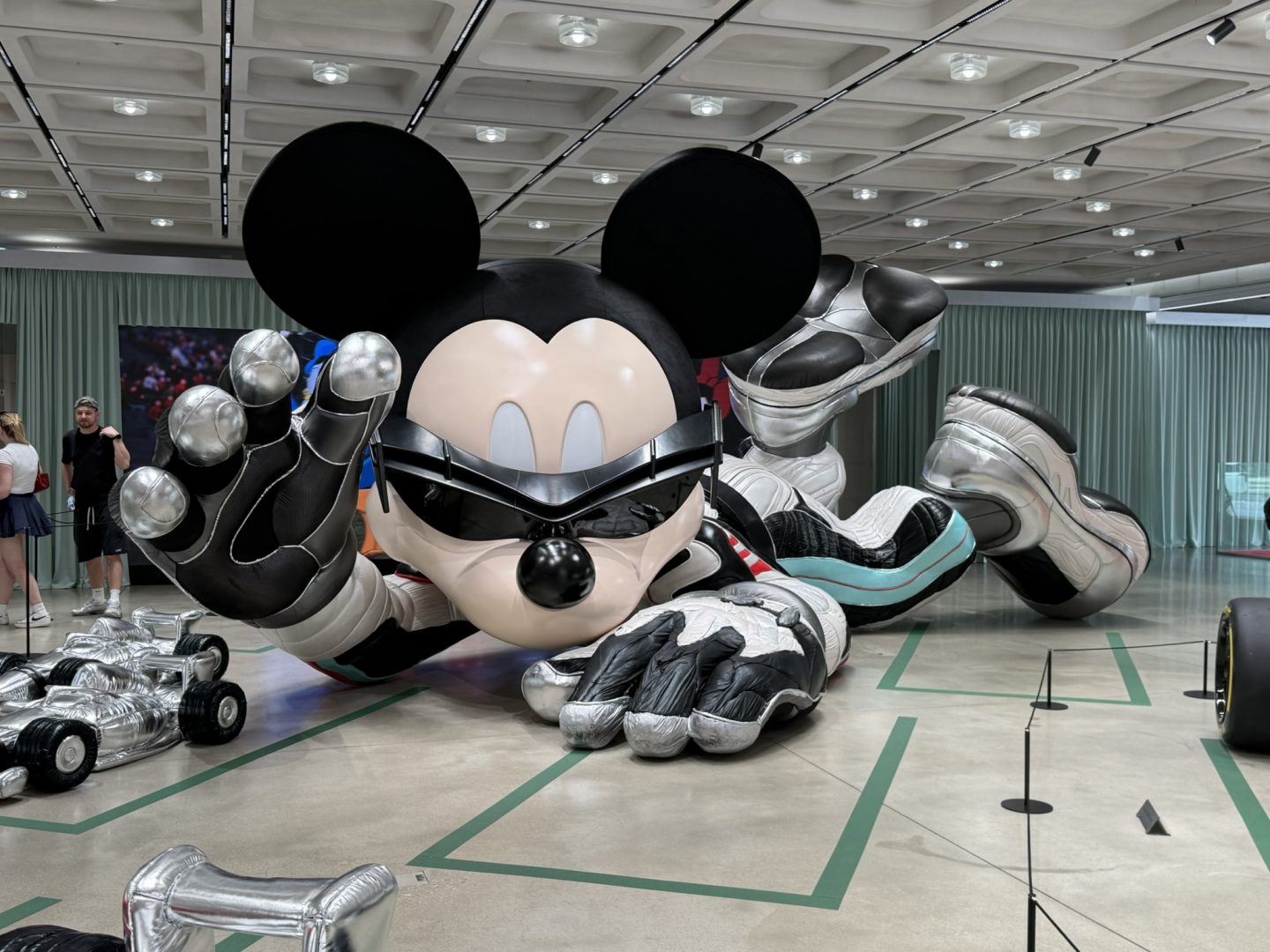
Seongsu is known for fashion, beauty, pop-ups and concept stores. Many of its shops have been designed as experiences rather than conventional retail spaces. Stores and pop-ups change quickly, so check current locations before visiting. Several Seoul-based creators also share upcoming openings, collaborations and events online.
I would definitely make time for HAUS NOWHERE Seoul. Created by the company behind Gentle Monster, the building brings together its brands: Gentle Monster eyewear, Tamburins fragrance, Atiissu headwear, Nuflaat tableware and Nudake teas and desserts.
It’s enormous, strange and theatrical, bringing fashion, fragrance, art, food and design into one building. Even if you have no intention of buying anything, it is worth visiting for the interiors and installations alone.
Inside, Nuflaat turns tableware into something closer to a fashion collection. Plates, glasses and cutlery are presented as design pieces rather than practical household basics, and it was one of the most original stores I visited in Seoul.
Seongsu also has several food stops that have become popular online. Jayeondo Salt Bread specialises in freshly baked, buttery salt bread and regularly attracts queues, while Hanjungsun is known for its fresh-fruit glutinous rice cakes, often described as fruit mochi, including its particularly popular strawberry version.
Myeongdong is another useful shopping area, particularly if you want major K-beauty brands concentrated in one place. It’s busier and more commercial than Seongsu, with large Olive Young stores, individual brand shops, Daiso and Mimiline. I liked Myeongdong, but if you only have time for one shopping district, I would choose Seongsu for its more distinctive stores and experiences.
Experience Korean Convenience-Store Culture
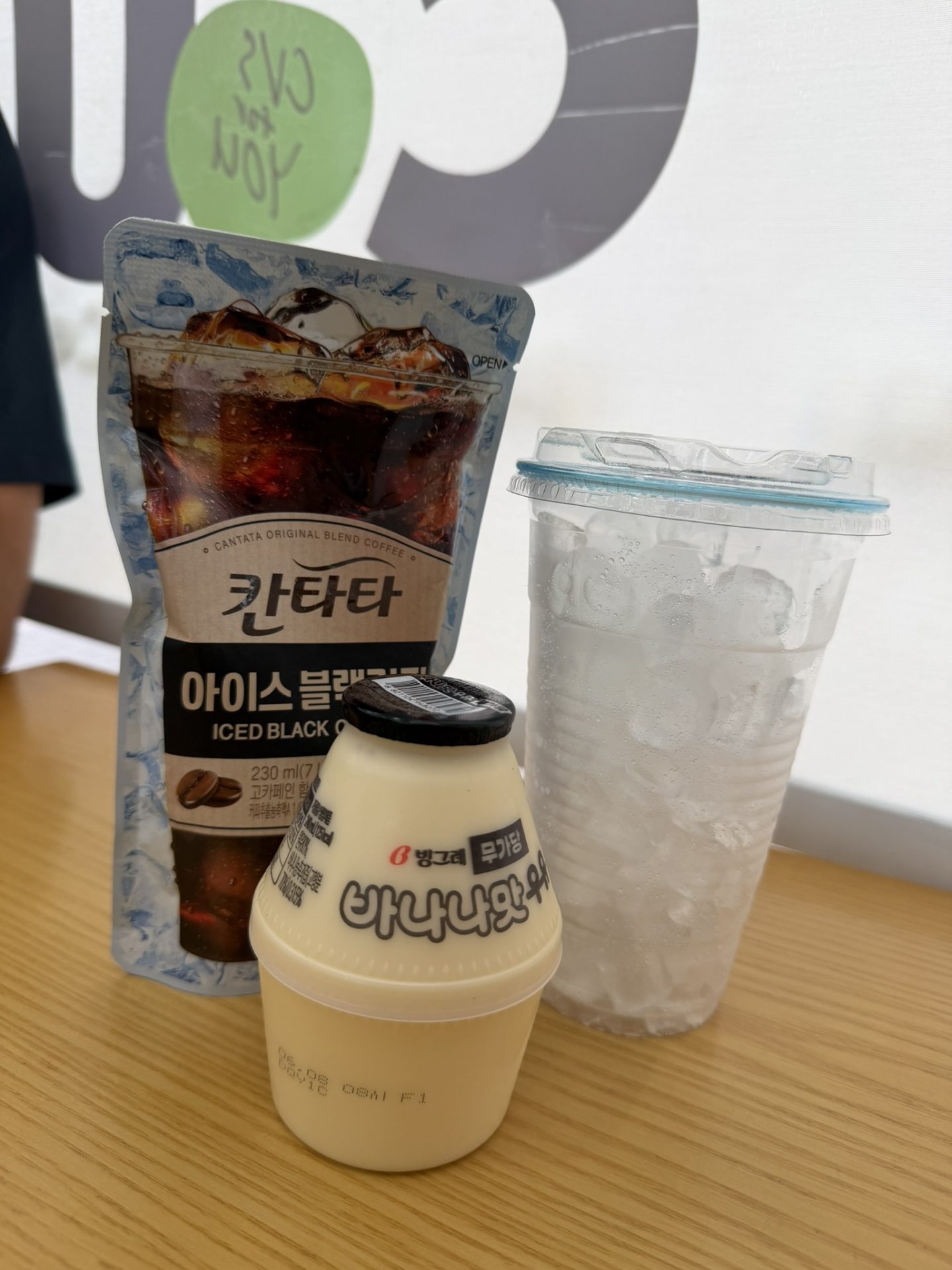
Korean convenience stores are unlike the small corner shops you might use at home. Chains such as GS25, CU and 7-Eleven have microwaves, hot-water dispensers, ramen machines and cups of ice, alongside an enormous range of prepared food, drinks and limited-edition products.
Locals use them for quick meals, late-night snacks or drinks with friends, often heating food, preparing instant ramen and eating at indoor counters or tables outside.
The viral banana milk coffee is worth trying. Buy a cup of ice, a coffee pouch and a bottle of banana milk, then pour them together. If you love it, Newmix in Seongsu sells banana milk-flavoured coffee sachets, which make an easy souvenir to bring home.
Take a guided DMZ tour from Seoul
A DMZ tour was one of the best things we did in Seoul. Access to the main sites is controlled and visits operate as organised group tours, so the guide is an integral part of the experience rather than an optional extra.
We booked this DMZ Insider Tour through GetYourGuide. The core tour includes a live Q&A with a North Korean defector, the Third Infiltration Tunnel, Dora Observatory and Imjingak Park.
The highlight was speaking to the North Korean defector, and hearing directly about life in North Korea and their experience of leaving.
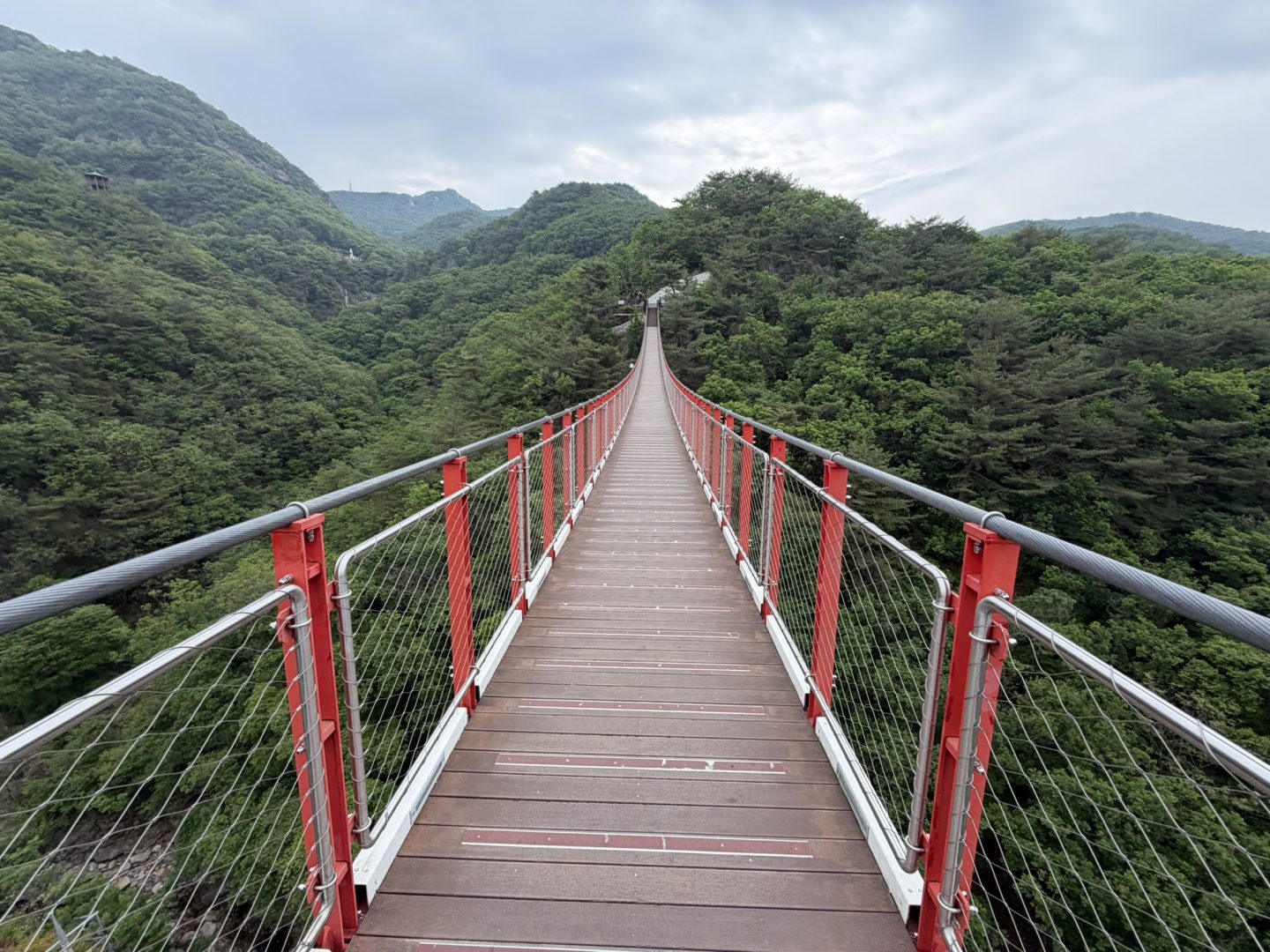
We chose the Mt Gamaksan Suspension Bridge option because of its connection to our hometown. It was a scenic addition, but it’s not essential to the DMZ experience and can easily be skipped in favour of the shorter tour.
The tour takes up a significant part of the day, but I thought it was worth the time for the historical context and the opportunity to hear directly from someone who had experienced life in North Korea.
Read my full DMZ tour from Seoul review to see what the day involved and whether it was worth booking.
If it’s an area of interest, I would also recommend visiting the War Memorial of Korea in Yongsan. It’s free to visit covering Korea’s military history, with extensive galleries dedicated to the Korean War and an outdoor display of aircraft, tanks and other military equipment. Visiting it alongside the DMZ tour provides more detail on how the conflict developed, the involvement of international forces and why the peninsula remains divided. It’s currently open from 9.30 am to 6 pm and closed on Mondays.
Try a K-beauty Experience
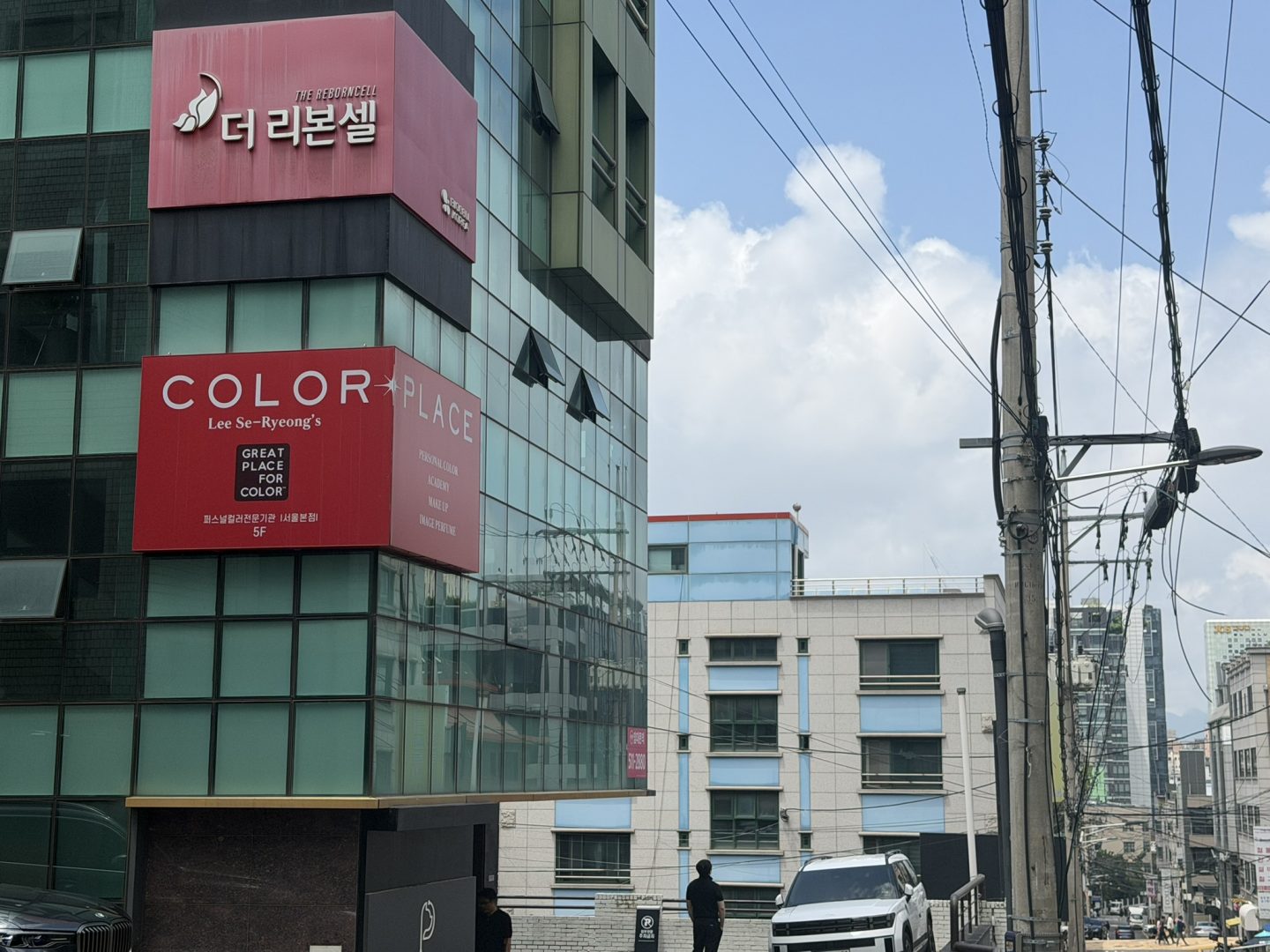
L-beauty is known for combining personalised advice with technology-led analysis, and Seoul offers everything from colour consultations to detailed skin scans and multi-stage scalp treatments. The choice can be overwhelming, particularly when many experiences become popular through paid or gifted social-media content.
Paid and gifted content should be disclosed under South Korean advertising rules, but those disclosures can still be easy to miss. The country also has strict defamation laws, so I would not assume that the absence of negative reviews means every experience is worthwhile.
I tried three different K-beauty experiences in Seoul. The personal colour analysis gave me practical guidance across clothing, jewellery and makeup, while the extended skin analysis included a full English report, ingredient advice and a suggested routine I could continue using at home.
The Korean head spa and scalp treatment was the one I would not book again at the same salon. I loved the finished colour, but the analysis was less useful and the treatment far less relaxing than I had expected.
All three were accessible in English, either directly or with a translator.
Try Korean barbecue properly
Korean barbecue is so much more than grilling meat at the table.
I’m not qualified to write a guide to the best food in Seoul, but Korean barbecue is one experience first-time visitors should try properly. The meal is communal, with different cuts cooked and shared alongside rice, sauces and small side dishes known as banchan. The meat can be eaten on its own or wrapped in lettuce or perilla leaves with garlic and ssamjang, a fermented dipping paste.
Fortunately, we had guidance from a local, who helped us order, explained which cuts needed longer on the grill and showed us how to combine everything. A tour is not essential, but it’s a good option if you don’t have a local to guide you on your first time.
- This lower-cost Korean BBQ Place of the Month pairs you with a local host who selects a different restaurant each month, including personal favourites and newer popular places.
- For a more structured introduction, this Seoul Korean BBQ Dinner explains the meal, cooking process, banchan, sauces and drinking customs in more detail, with beer and soju included.
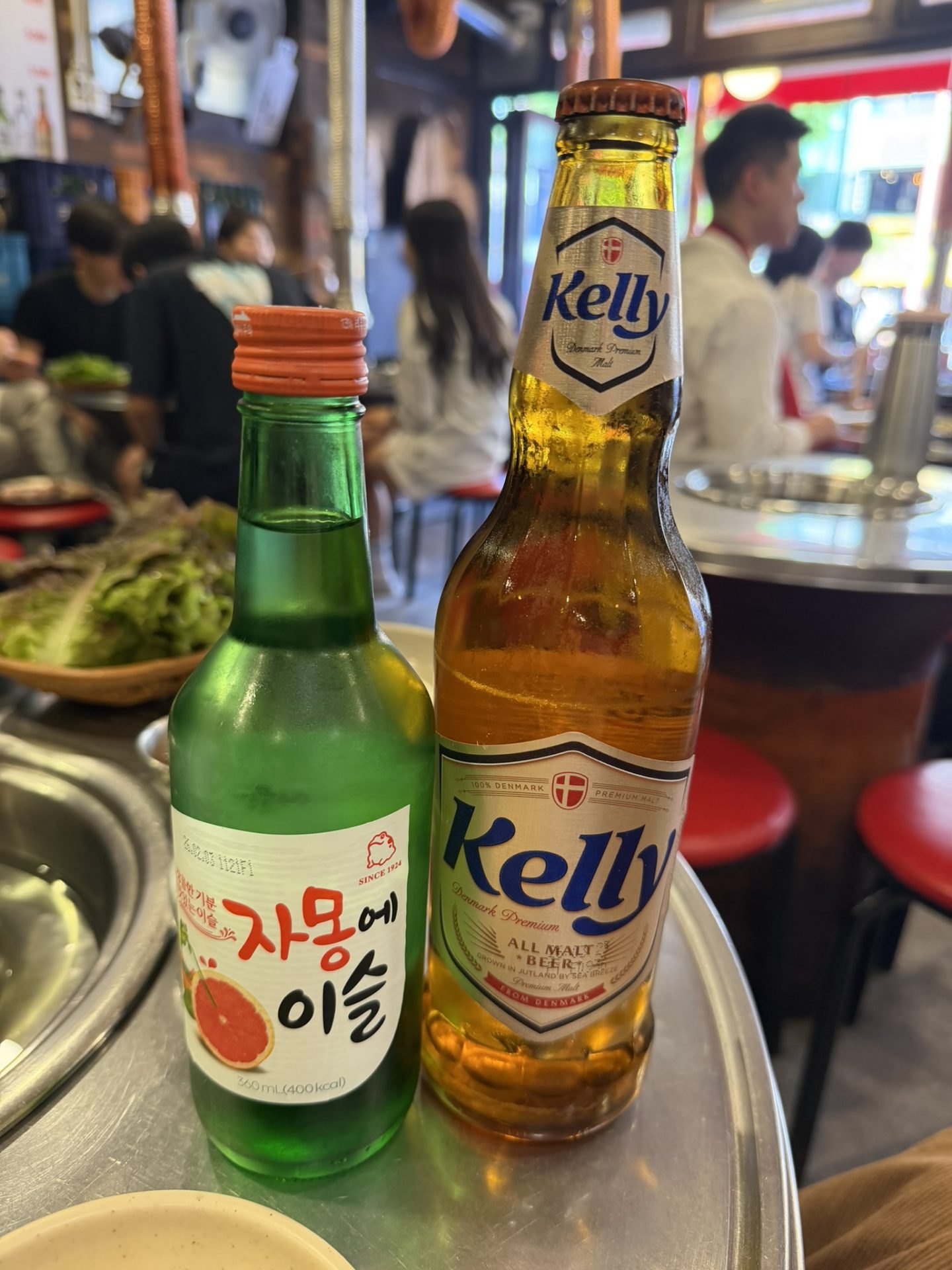
Korean barbecue is often enjoyed with soju, which is available plain or in fruit flavours, beer or somaek, a mix of the two. I don’t normally drink beer or lager, but I loved grapefruit soju mixed with Kelly, a light, crisp Korean lager.
Visit Gangnam
Gangnam is an enormous part of southern Seoul. It’s also one of the principal areas for beauty clinics and aesthetic treatments so you may find yourself in the area if you’re planning to try a K beauty experience.
For a first visit, I’d recommend COEX Mall, Starfield Library and Bongeunsa Temple.
Starfield Library sits inside COEX Mall and is an open public space rather than a traditional standalone library. The towering bookshelves are visually impressive, but the area can become extremely busy with visitors taking photographs.
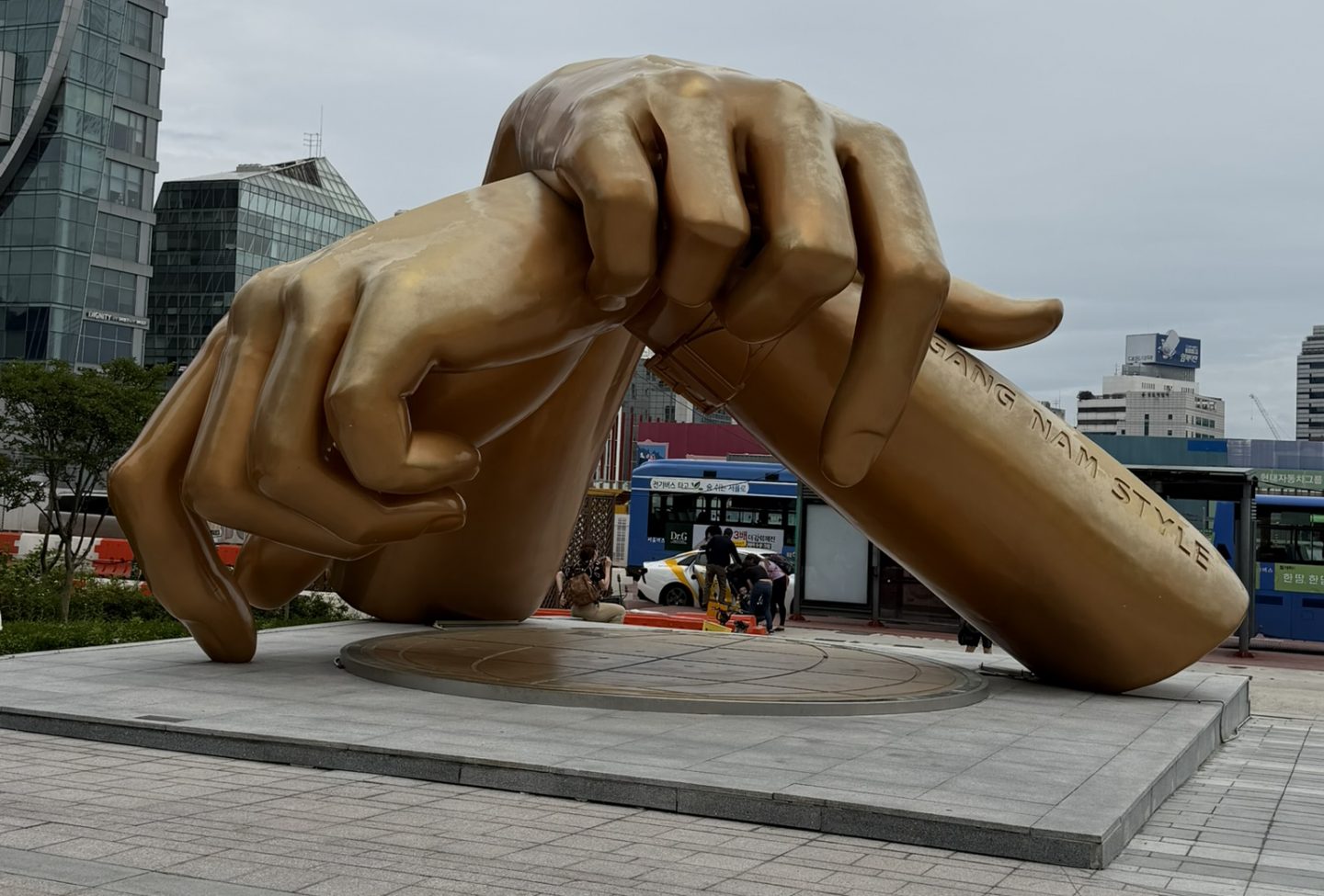
Outside COEX, you will also find the Gangnam Style Statue: two giant bronze hands recreating the horse-riding dance move from Psy’s music video.
Across the road from COEX, Bongeunsa is a Buddhist temple founded in 794. Its traditional halls and quieter grounds feel unexpectedly removed from the shopping centre and surrounding high-rises, despite being only a few minutes away.
See Seoul from Above
N Seoul Tower and Lotte World Tower are the two main observation towers in Seoul.
N Seoul Tower is a 236.7-metre communications and observation tower on top of Namsan Mountain in central Seoul. Its position on the mountain places the viewing areas around 480 metres above sea level, with panoramic views across the city. You can walk up through Namsan Park, take a bus or use the cable car, and there are free outdoor viewpoints around the tower if you do not want to pay for the observatory. The railings covered in “love locks” are another well-known part of the site.
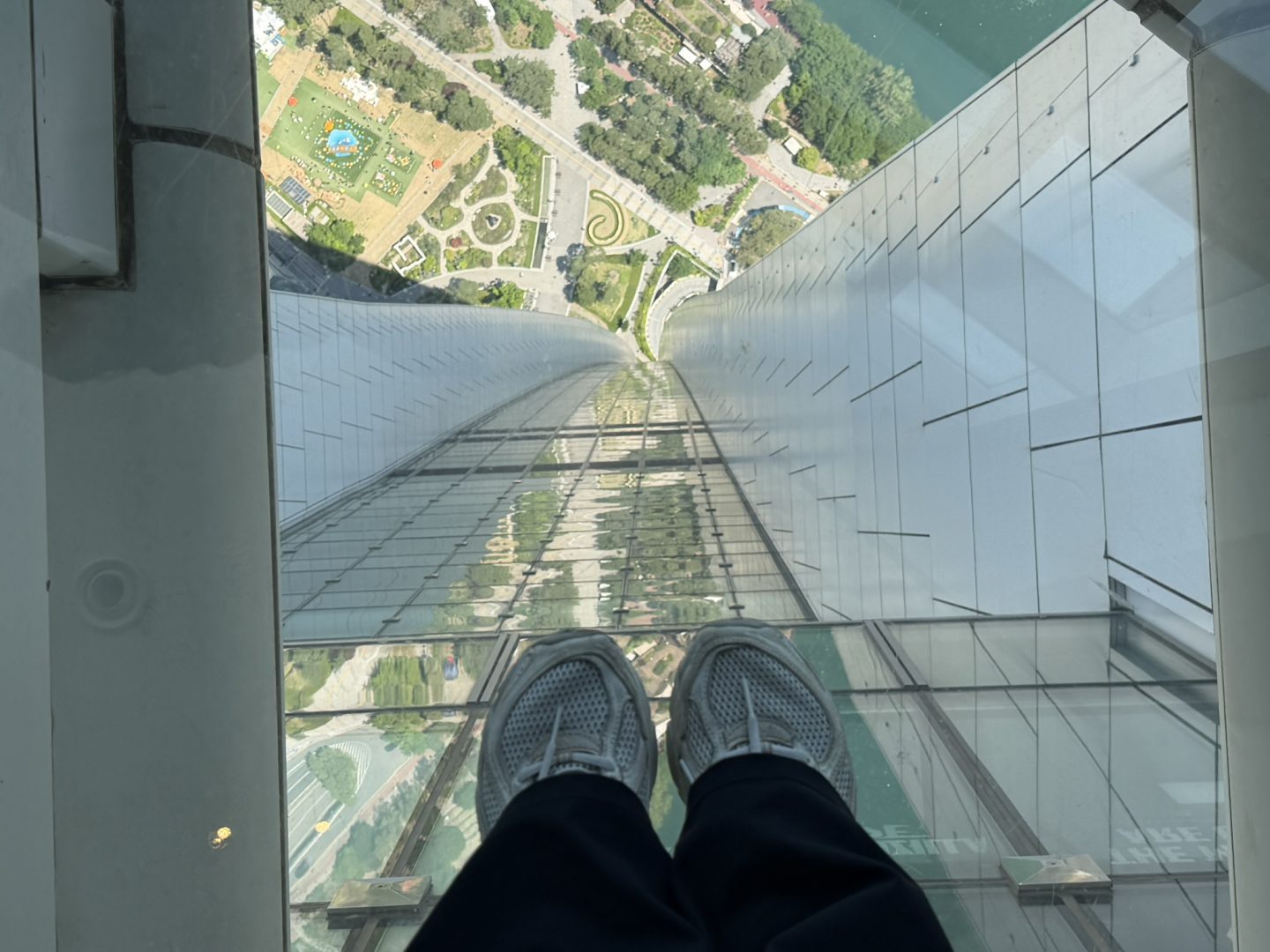
Lotte World Tower is a 555-metre, 123-storey tower in Jamsil containing Seoul Sky, Korea’s highest observation deck, around 500 metres above ground. The observatory includes indoor viewing floors, a glass-floored Sky Deck and an outdoor Sky Terrace; there is also a separate Sky Bridge experience at 541 metres.
Lotte World Tower can also be combined with Lotte World theme park, Lotte World Mall, the aquarium or a walk around Seokchon Lake.
N Seoul Tower is the more convenient choice for a first visit and can be combined with Myeongdong. Unless you particularly enjoy viewpoints, you probably do not need to visit both.
Try Korean Fried Chicken
One thing Korea does exceptionally well is fried chicken. It is noticeably lighter and crispier than most fried chicken in the UK. It’s usually fried twice, then served plain, dusted with seasoning or coated in sauces.
BBQ, bhc and Kyochon are three of Korea’s best-known chains. BBQ is known for Golden Olive Chicken, bhc for Bburinkle and Kyochon for its soy-garlic and spicy glazed chicken.
Pair it with cold beer and you have chimaek, the Korean term for chicken and beer. Cass, Terra, Kelly and Hite are all common choices, but there is no particular brand you need to order.
Spend an Evening by the Han River
During dry and warm days, one of the best ways to spend an evening in Seoul is beside the Han River. Rather than only going for a walk, make dinner part of it. Order Korean fried chicken and beer to the park, or put together a convenience-store dinner with instant ramyeon, gimbap, drinks and snacks. Many riverside convenience stores have machines that cook the ramyeon for you, and locals regularly eat at the tables or on picnic mats beside the water. Fried-chicken delivery is also widely available at Hangang parks.
For a shorter evening walk in central Seoul, Cheonggyecheon Stream runs through the city centre and is particularly atmospheric after dark.
Frequently Asked Questions About Visiting Seoul for the First Time
How many days do you need in Seoul for a first visit?
Four full days is enough to experience several of Seoul’s main neighbourhoods and attractions, but five to seven days gives you more room for a DMZ tour, beauty appointments and time in different parts of the city.
What should you book in advance in Seoul?
I would book a DMZ tour and any popular K-beauty appointments first, particularly if you want a specific provider or time. A guided Korean barbecue experience is also worth reserving if you want one. Most of the neighbourhoods, palaces, shopping areas and Han River parks in this article do not require advance booking.
When is the best time to visit Seoul?
Spring and autumn generally offer the most comfortable weather for walking between attractions and spending time beside the Han River. Summer evenings can still be lively, but expect heat, humidity and rain. Winter is much colder, although most of the experiences in this article remain available throughout the year.
Is Seoul easy to get around?
Seoul’s public transport system is extensive, but the city is much larger than it first appears. Check the full journey time rather than judging distances from a saved map, and group places that are genuinely in the same part of the city.

