Uruguay was our first stop in South America and, in hindsight, it was a pretty perfect introduction. Montevideo felt relaxed and manageable, the people were incredibly welcoming and we quickly realised there was far more to Uruguay than we had expected.
The country’s identity is wrapped up in football, gaucho culture, mate, asado, tango and wine. Montevideo brings much of that together in one place. It doesn’t have the relentless sightseeing list of some South American capitals, but that’s part of what we liked about it. It’s a city where you can slow down, eat well and experience some of the traditions that define Uruguay.
You can spend the morning exploring its historic centre, eat an enormous Uruguayan lunch, visit the stadium built for the first World Cup and be tasting wine at a vineyard by the afternoon.
This post contains ads and affiliate links, which help cover the running costs of this blog at no extra cost to you.
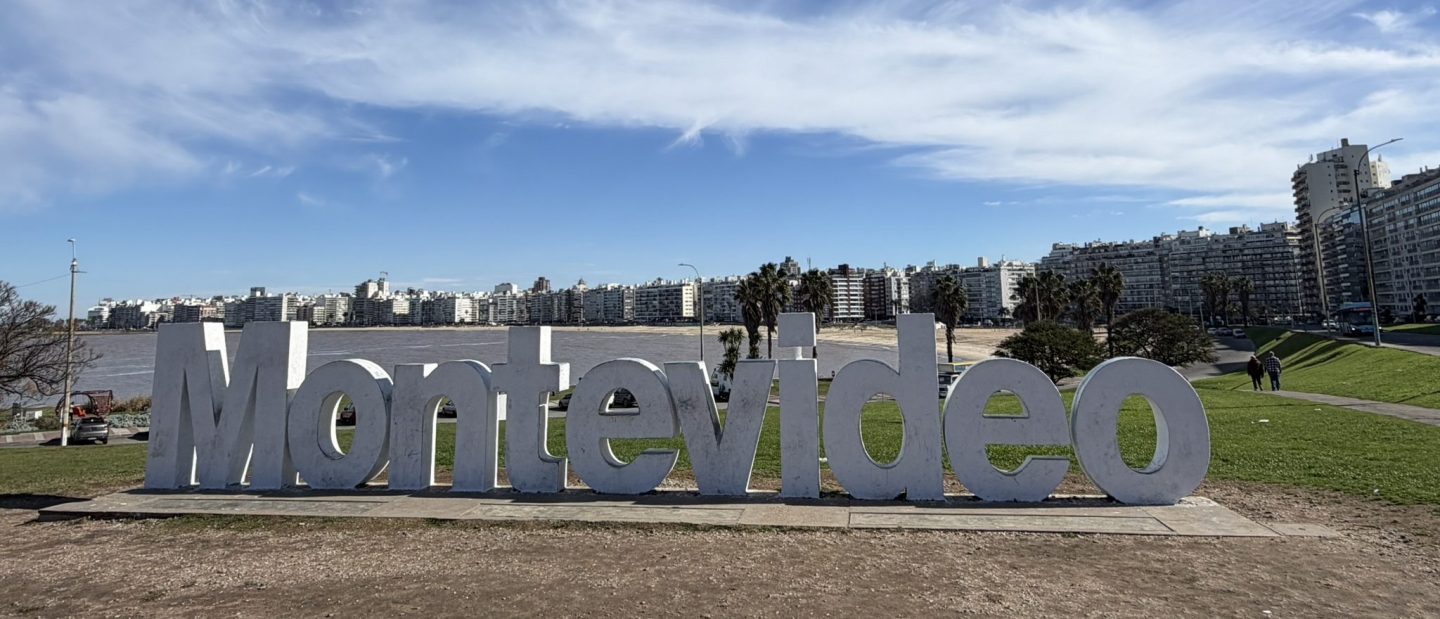
Explore Ciudad Vieja and Central Montevideo
Start in Ciudad Vieja, Montevideo’s historic old town, where some of the city’s most important architecture, sights, cafés and food stops are located. Walk through Plaza Independencia and the old gateway into the historic centre, taking in sights such as Teatro Solís, Plaza Matriz and the Metropolitan Cathedral before continuing towards the port.
You can then continue further through central Montevideo to sights such as the impressive Palacio Legislativo, while many of the city’s best cafés and markets are also within easy reach.
This part of Montevideo is easy to explore largely on foot, so a guided walking tour is a good option if you want more context around the city’s history and architecture rather than simply moving between the sights independently.
If you want to pick up something made locally, browse the craft shops and markets around Ciudad Vieja for Uruguayan leather goods, textiles, jewellery, mate gourds and other handmade pieces.
If you’d rather see more of Montevideo with a guide, this complete half-day Montevideo tour covers the Old Town, Plaza Independencia, Palacio Legislativo, Mercado Agrícola, Estadio Centenario and the waterfront, with hotel pick-up and drop-off included.
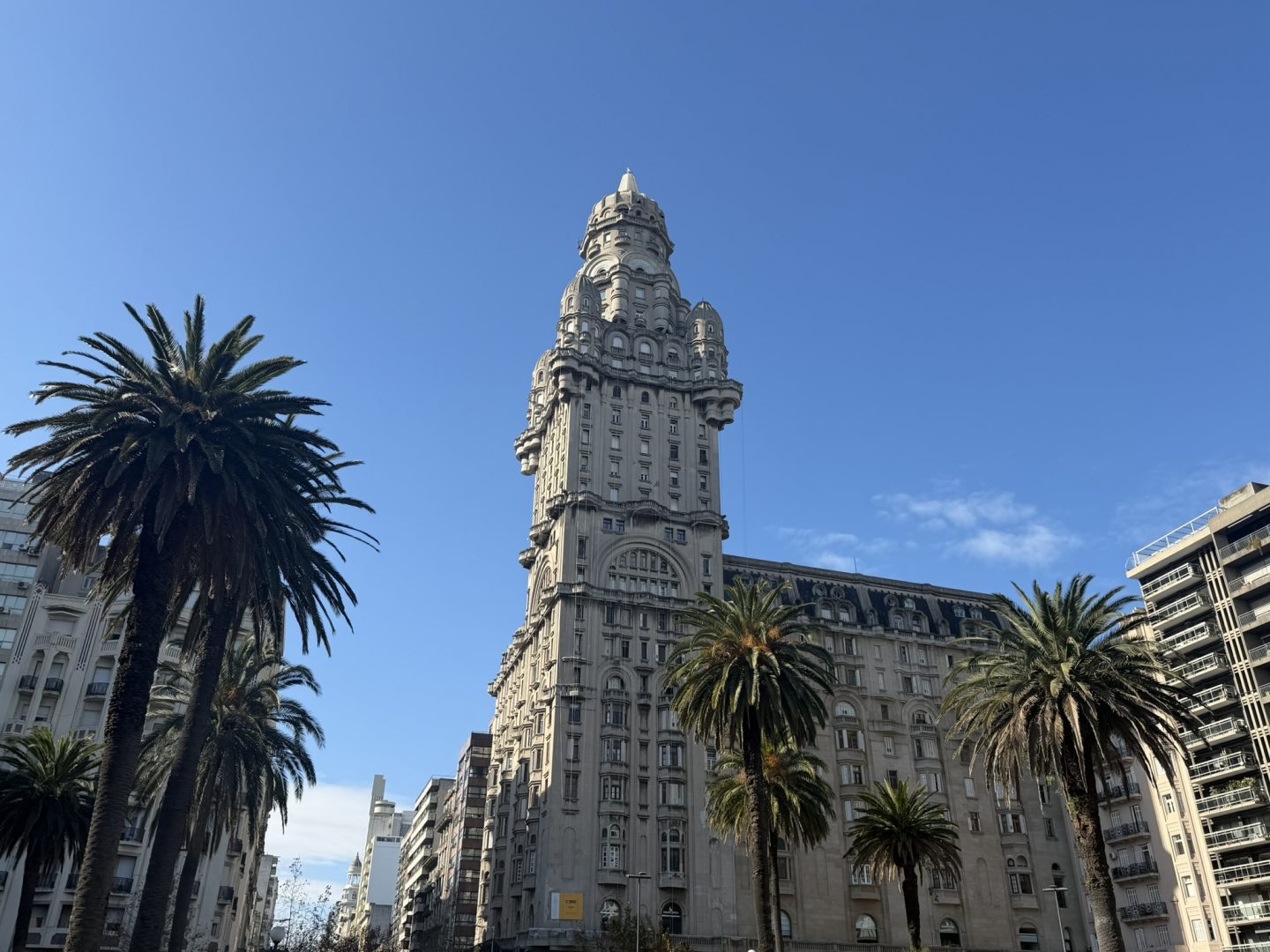
Spend some time in Montevideo’s cafés
Montevideo has several interesting cafés. Order a café con leche with medialunas, Uruguay’s sweet, buttery croissant-like pastries. They’re a classic breakfast or afternoon snack and particularly good dipped straight into the coffee.
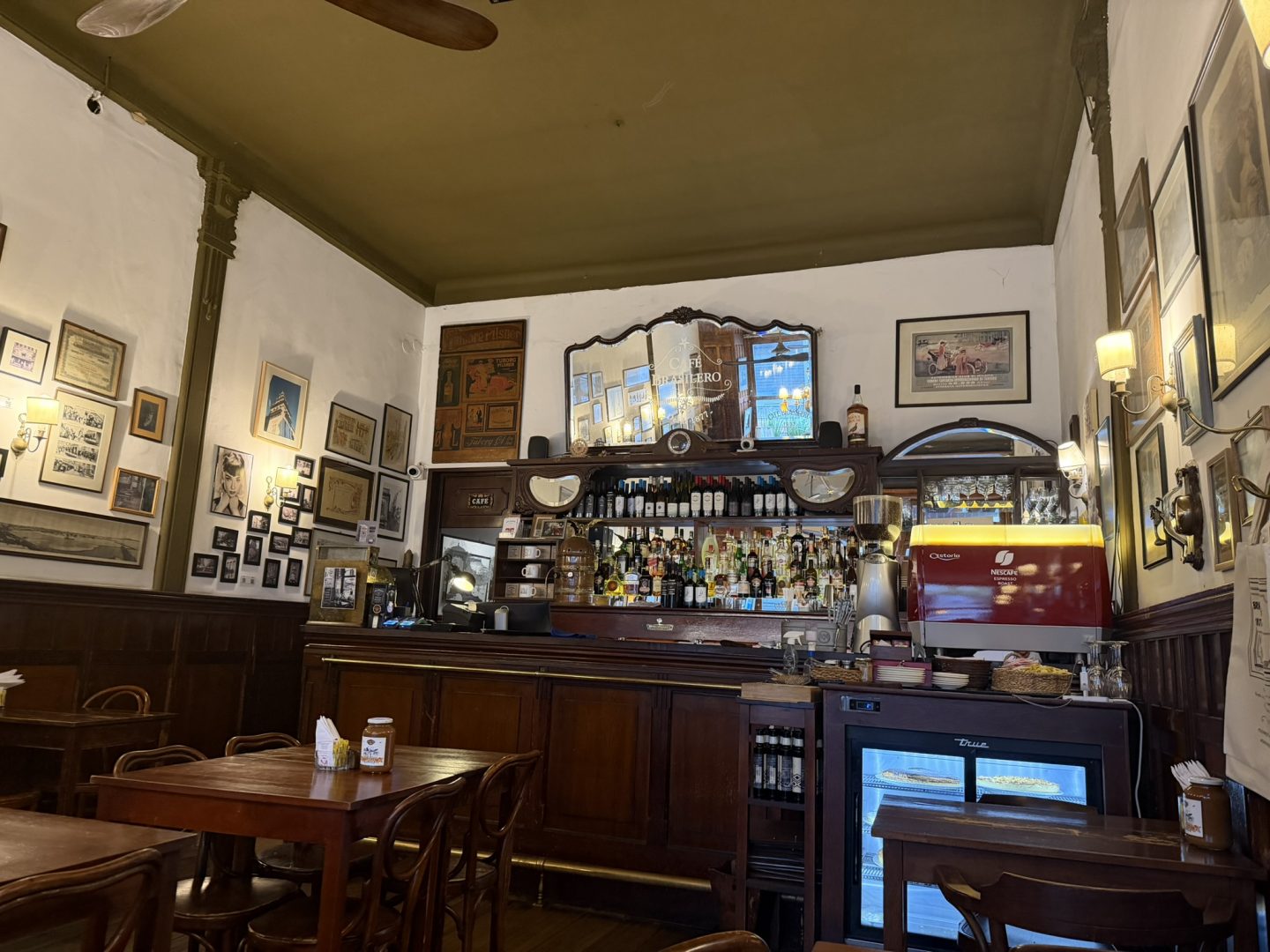
Café Brasilero dates to 1877 and became associated with writers, artists and the city’s bohemian culture, while La Farmacia Café occupies a beautifully preserved former 19th-century pharmacy. Then there is Escaramuza in Cordón, a bookshop and café housed in a historic building.
Visit Tristán Narvaja Market on Sunday
If you’re in Montevideo on a Sunday, Feria de Tristán Narvaja has been running since 1909 and spreads through several streets around Tristán Narvaja. You’ll find everything from fruit and vegetables to books, records, antiques, collectables and seemingly completely random household objects.
Eat your way through Uruguay’s classics
Chivito is Uruguay’s famous steak sandwich, usually loaded with lettuce, tomato, egg, ham, cheese and mayonnaise, often with chips on the side. It’s one of the country’s best known comfort foods and an easy one to find across Montevideo.
For something sweet there’s dulce de leche, a thick caramel-like milk spread from the Río de la Plata region that appears almost everywhere in Uruguay. You’ll find it in ice cream, cakes, crêpes and desserts, but one of the easiest ways to try it is inside an alfajor.
Alfajores are two or more biscuits sandwiched around a sweet filling, usually dulce de leche, and commonly coated in chocolate, icing or powdered sugar. You can buy them individually from cafés and bakeries or pick up different brands from kiosks and supermarkets.
Also look out for Massini, a classic Uruguayan dessert made with layers of sponge and whipped cream, topped with a caramelised egg-yolk glaze. It became especially popular in Montevideo through traditional confectioners such as Confitería Carrera.
Experience Asado at Mercado del Puerto
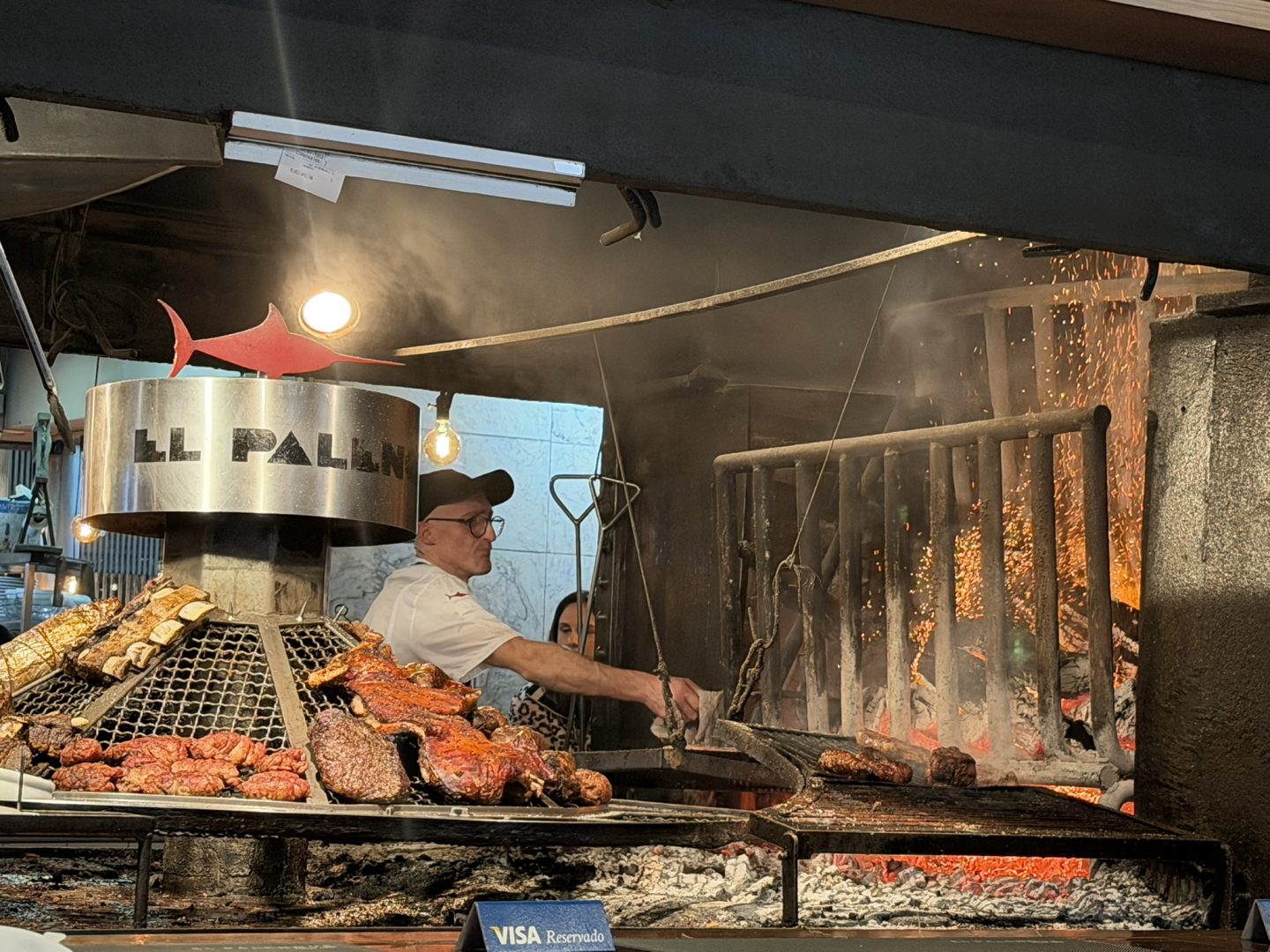
One of the best places to experience Uruguay’s obsession with meat is Mercado del Puerto. The former market building is now packed with parrillas, where huge grills are loaded with steaks, sausages and other cuts of meat cooked over fire. Order an asado and pair it with a glass of Tannat for about as Uruguayan a meal as you can get. Montevideo’s own tourism material highlights grilled meat, Tannat and dulce de leche as some of the country’s defining flavours.
Try mate properly
You will see mate everywhere in Uruguay. People carry the distinctive gourd under one arm and a flask of hot water under the other, topping it up throughout the day. Mate is an infusion made from yerba mate and is one of Uruguay’s most deeply rooted everyday traditions.
You can buy the gourds and bombillas almost everywhere, but there is a slight catch if you want to use a traditional gourd straight away. The one we looked at needed to be cured before its first use, with instructions involving yerba and whisky over several days.
If you actually want to learn how to prepare and drink mate properly rather than just take a gourd home as a souvenir, I’d look for a local mate experience or tour.
Visit Estadio Centenario and the Football Museum
Uruguay takes football very seriously, and there’s a good reason for it. Estadio Centenario was specifically built for the first FIFA World Cup in 1930, which Uruguay went on to win after beating Argentina in the final. The stadium’s Football Museum contains memorabilia from Uruguay’s football history, including its Olympic victories and World Cup wins, and guided visits can be reserved.
Taste Uruguay’s Tannat at a Local Vineyard
This was one of the things I was most excited to discover about Montevideo. Uruguay is not usually the first country people associate with wine, but Tannat is its signature grape and accounts for roughly 27% of the country’s vineyard area. Uruguay is also now the world’s largest producer of the variety.
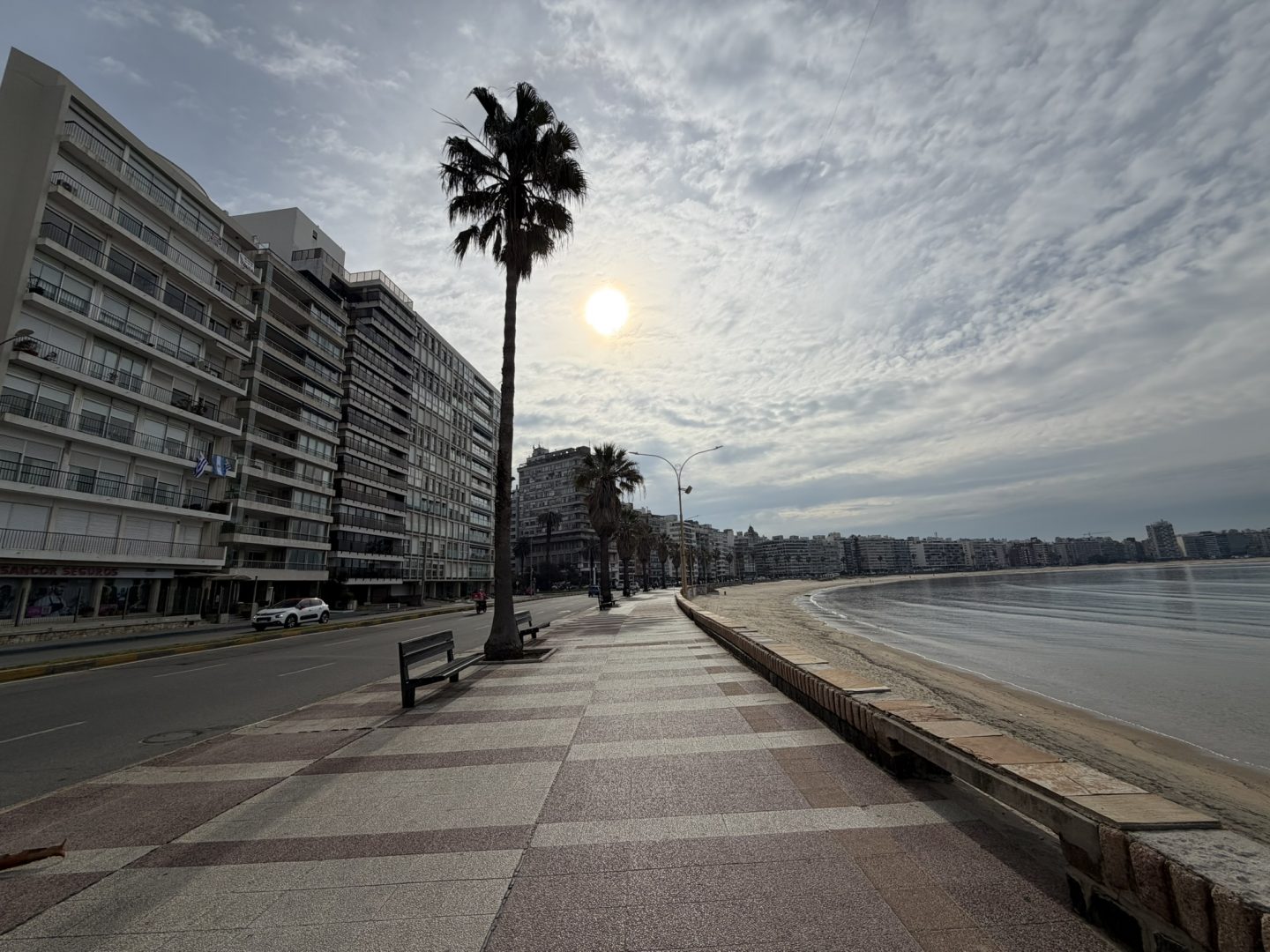
We visited Bodega Bouza in Melilla, just outside central Montevideo. It’s a family-owned boutique winery producing small quantities of wine, particularly Tannat, Merlot and Albariño. The winery has repeatedly appeared in the World’s Best Vineyards rankings, including No. 30 in 2023 and No. 38 in 2024.
We visited Bouza independently, but if you’d rather experience more of Uruguay’s wine scene in one trip, this two-winery tour from Montevideo includes tastings, a three-course lunch and hotel transfers. For a more affordable introduction, you can also visit a century-old urban winery with six wine tastings.
Carmelo Wine Route
Wine lovers should look at the Carmelo Wine Route, where seven wineries sit within a radius of just 16 km, making it easy to visit several very different producers over a couple of days.
They range from historic family estates such as Narbona, founded in 1909, and Familia Irurtia, producing wine since 1913, to fifth-generation Almacén de la Capilla, boutique El Legado and newer Pueblo Tannat. Buena Vista and Zubizarreta complete the official route.
If Uruguay’s wine scene has surprised you as much as it did us, I’ve included it alongside some of our other favourite destinations in my Best Wine Regions to Visit Around the World guide.
Experience candombe in Montevideo
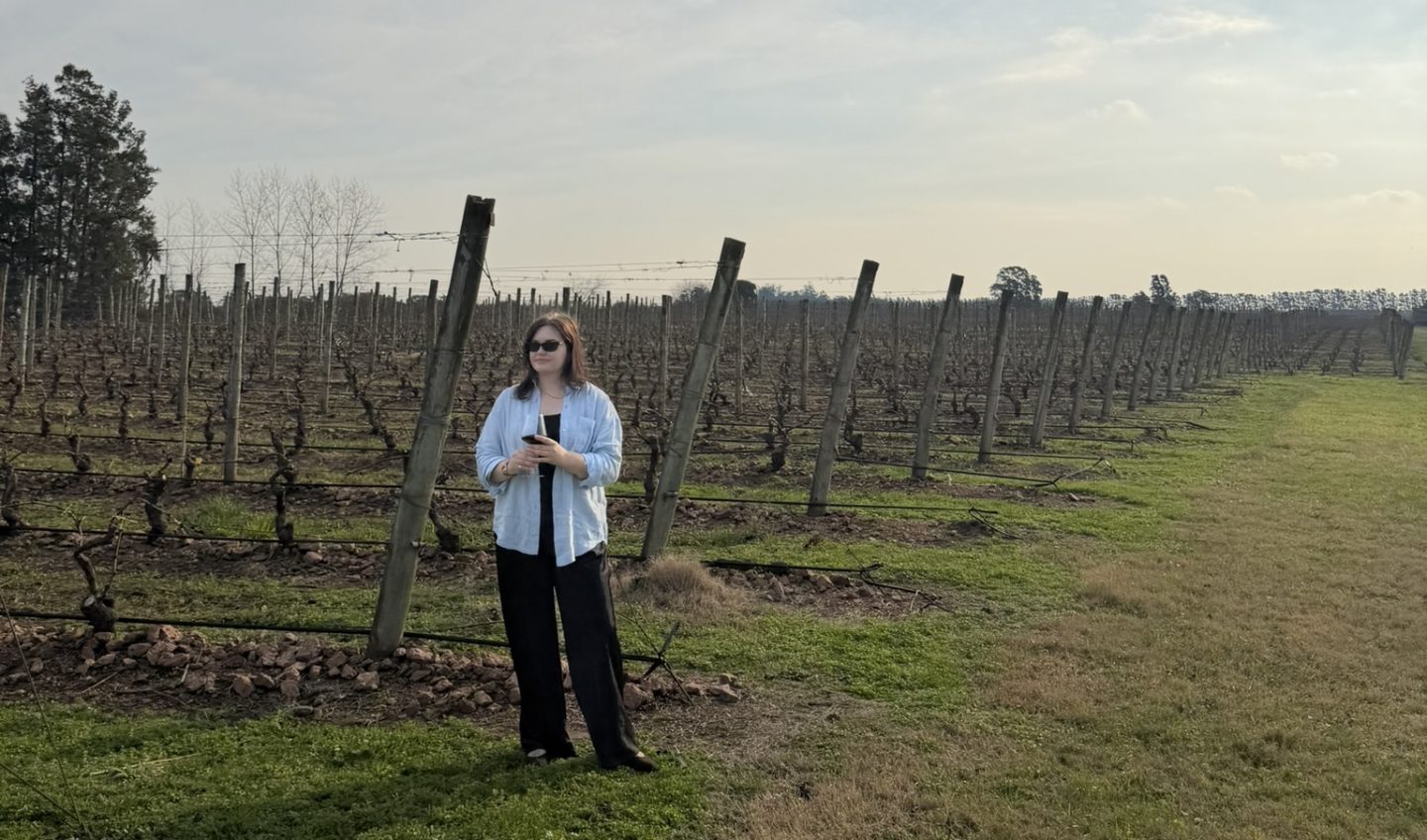
Candombe is one of Uruguay’s most important cultural traditions, developed within Montevideo’s Afro-Uruguayan community and centred around the rhythms of the chico, repique and piano drums. UNESCO recognised it as Intangible Cultural Heritage of Humanity in 2009.
If you’re visiting in February, the Desfile de Llamadas is one of the biggest events of Montevideo Carnival, with comparsas filling the streets with drummers and dancers. You can also sometimes catch street rehearsals throughout the year, particularly around Barrio Sur and Palermo. Another important date is 3 December, National Candombe Day, when Uruguay celebrates candombe and Afro-Uruguayan culture with events and performances.
If you’re interested in learning more about Uruguay’s Carnival traditions outside the main festival period, the Museo del Carnaval explores the history, costumes and music behind celebrations including candombe and Las Llamadas.
Watch a Traditional Tango Show
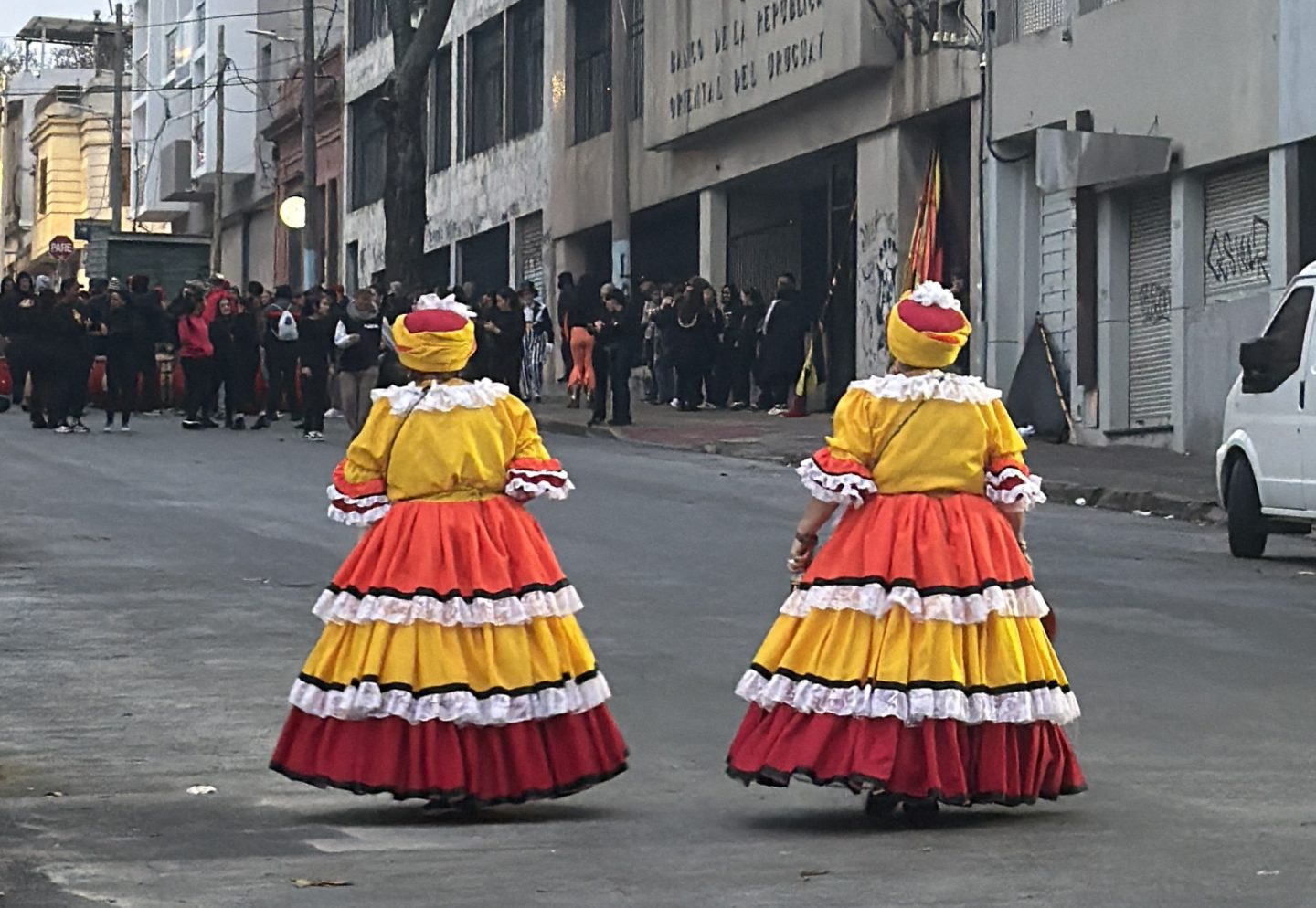
Tango isn’t exclusively Argentine. It developed around the Río de la Plata and forms part of the cultural heritage shared by Uruguay and Argentina. One of the more intimate ways to experience it in Montevideo is Primuseum Restaurant, in Ciudad Vieja. The evening combines a multi-course criollo tasting menu, Uruguayan wines and a live tango performance, surrounded by an eclectic collection of antiques and historic objects.
Walk along the Rambla
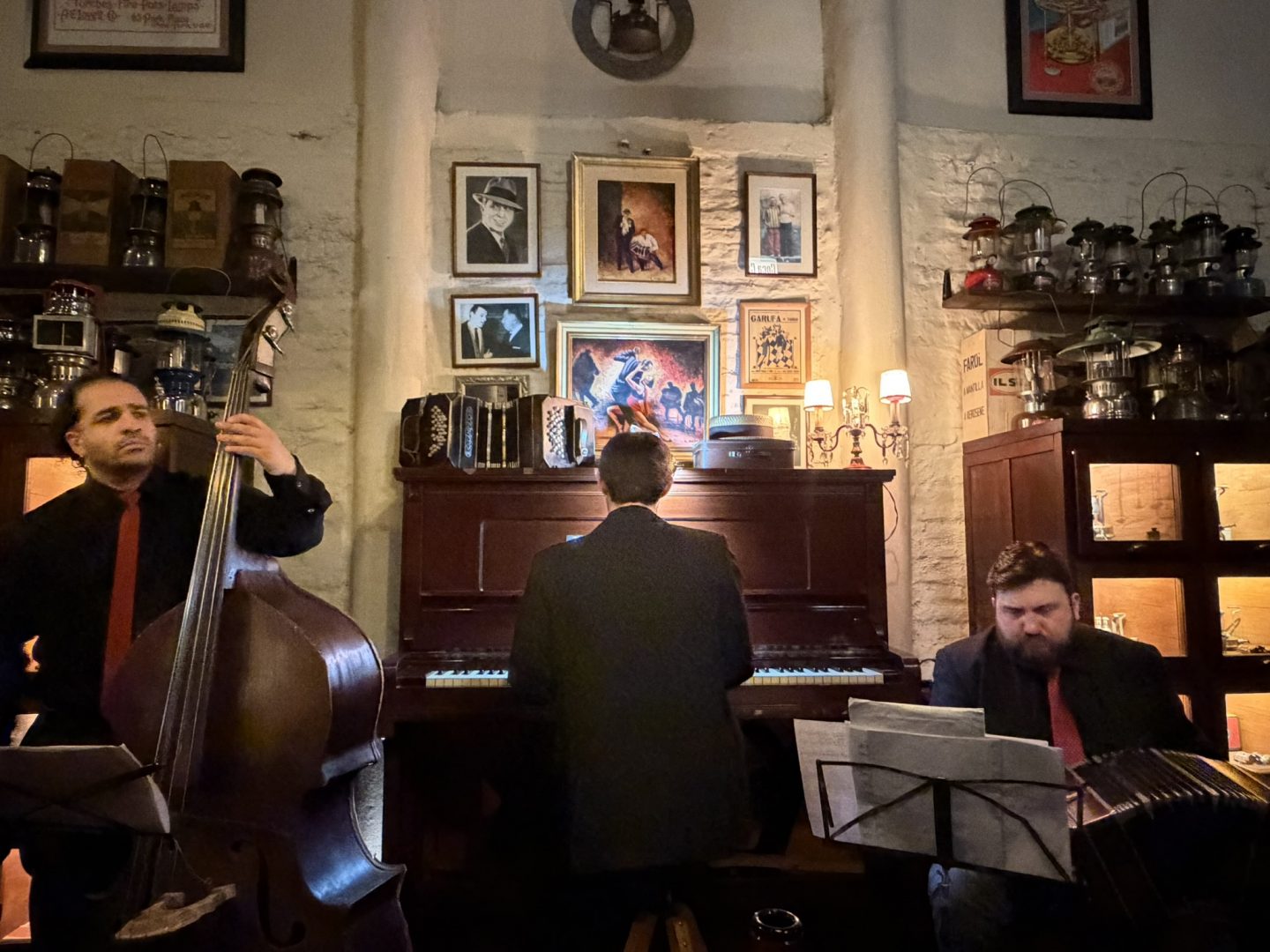
Montevideo’s waterfront is a huge part of everyday life in the city. The Rambla follows the Río de la Plata for kilometres past beaches and neighbourhoods including Pocitos, and locals use it for walking, running, cycling and simply sitting with a mate. It is particularly nice towards the end of the day when the temperature drops and everyone seems to migrate towards the water.
Spend time in El Prado and the Botanical Garden
For a greener side of Montevideo, head to El Prado, a leafy area filled with parks, gardens and historic buildings. Its Botanical Garden was founded in 1902 and contains more than 1,000 plant species, while nearby you can also visit the Rosedal, Japanese Garden and Museo Blanes.
Shop for Uruguayan souvenirs
For something more local than a standard souvenir shop, visit Mercado de los Artesanos, which has locations in the centre and Ciudad Vieja. Expect handmade pieces including leather goods, jewellery, textiles and, inevitably, plenty of mate gourds. Manos del Uruguay is another good name to look for if you want locally made textiles and wool products rather than mass-produced souvenirs.
If you’re wondering what’s actually worth bringing home, I’ve put together a full guide to the best souvenirs from Uruguay, including mate sets, Tannat wine, dulce de leche, alfajores and some more unusual finds.
Best day trips from Montevideo
1. Colonia del Sacramento
Colonia del Sacramento is a UNESCO World Heritage Site, known for cobbled streets, colonial architecture and its waterfront setting on the Río de la Plata. If your wider South America route includes Buenos Aires, Colonia can also work neatly as part of the journey between Uruguay and Argentina rather than simply as a return day trip.
2. Punta del Este and Casapueblo
For the coast, head east towards Punta del Este, Uruguay’s best-known beach resort. The area is known for its beaches, particularly Playa Mansa and Playa Brava, while nearby Casapueblo is one of Uruguay’s most distinctive buildings, created by artist Carlos Páez Vilaró. If you’re driving or taking a private tour, you could also add Lapataia, a local producer known for dulce de leche. You can see the production process and, more importantly, try plenty of it.
If you’d rather visit Punta del Este without hiring a car, this full-day tour from Montevideo includes hotel pick-up, stops in Piriápolis and Punta Ballena, entry to Casapueblo, time at La Mano and almost three hours of free time in Punta del Este.
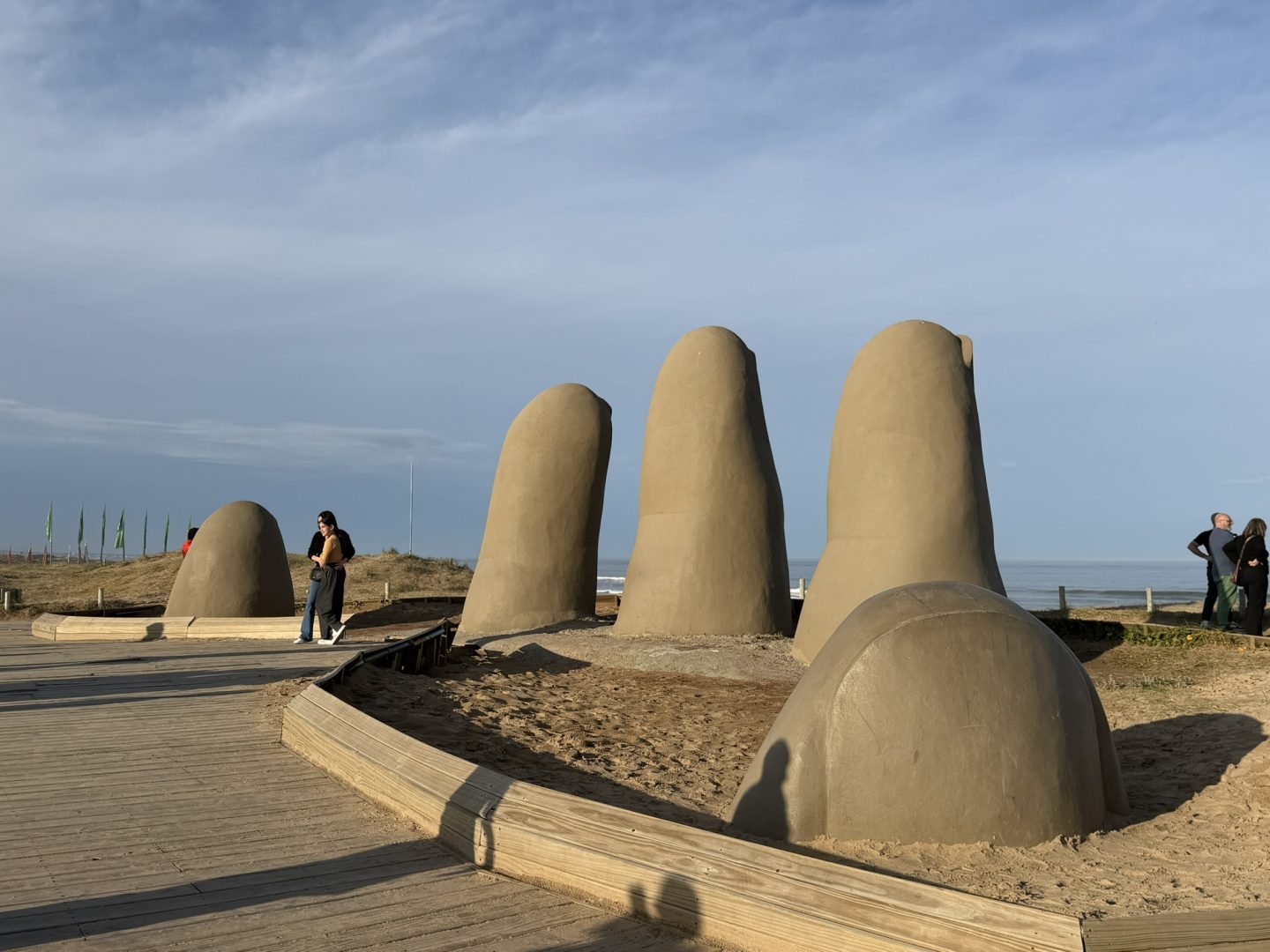
La Mano sculpture on Playa Brava in Punta del Este
If you have longer in Uruguay
Montevideo is only one part of the country, and several of the places that interested us most require more than a straightforward day trip.
Tacuarembó and an estancia
For a deeper look at Uruguay’s gaucho culture, travel north towards Tacuarembó, one of the areas most closely associated with the country’s rural traditions. An estancia stay gives you much more context around that side of Uruguayan identity than you will get in the capital.
Uruguay’s hot springs
The areas around Salto and Paysandú are known for thermal springs, making them another option if you have enough time to travel north.
Frequently Asked Questions
Is Montevideo safe?
We personally found Montevideo relaxed and comfortable to explore, but I wouldn’t describe any city as completely safe. Current UK government travel advice notes that pickpocketing, bag snatching, mugging and robbery do occur in Montevideo, so use normal city precautions, particularly with phones, valuables and ATMs.
How many days do you need in Montevideo?
Two full days is enough for the main sights, but three days is better if you want to visit a winery. If possible, include another day for Colonia or Punta del Este, or stay longer if you want to explore Uruguay beyond the capital.
I’d happily return to Montevideo, particularly with more time to explore Uruguay’s wineries and smaller towns. If you’re travelling onwards through South America, Buenos Aires is an easy next stop across the Río de la Plata and makes a great contrast to the slower pace of Uruguay.

