Easter Island, known locally as Rapa Nui, is one of the most remote inhabited islands in the world and home to the extraordinary moai that have fascinated travellers, archaeologists and historians for generations.
While it’s best known for the moai, Rapa Nui is much more than its monumental stone figures. This Polynesian island in the Pacific is shaped by volcanic craters, ancient quarries, ceremonial sites and coastal settlements that reveal a much wider story of Rapa Nui history and culture.
Getting there takes planning since flights are limited, there are additional entry requirements, and most archaeological sites can’t be visited without an accredited guide. This Easter Island travel guide covers everything you need to know to plan a trip to Rapa Nui.
This post contains affiliate links and display advertising. If you make a purchase through one of our links, we may earn a small commission at no extra cost to you, which helps support the running of this blog.
Getting to Easter Island
Rapa Nui lies around 3,700 kilometres from mainland Chile, surrounded by the Pacific Ocean.
Flight options are limited, with direct flights from Santiago operated solely by LATAM. Our flight took around five and a half hours and landed at Mataveri Airport around midday, which meant we could still make use of our afternoon. We hadn’t arranged an airport transfer, so we picked up a taxi outside the airport instead. We paid 10,000 CLP in cash, compared with the 25,000 CLP transfer quoted by our accommodation.
There’s also an additional entry process before you board your flight to Rapa Nui from Santiago. At the airport, follow the signs for the separate Rapa Nui/PDI check. Tourists need to complete the Rapa Nui entry form and show a return ticket and confirmation of accommodation at the PDI checkpoint. These requirements are enforced before travel, and the Chilean government states that passengers without the necessary documentation will not be allowed to continue to Rapa Nui.

Where to Stay on Easter Island
Most visitors stay in Hanga Roa, Rapa Nui’s main settlement on the west coast. It’s where you will find the majority of the island’s accommodation, restaurants, shops and tour operators, and Mataveri Airport sits immediately beside the town. There are options ranging from hotels and hostels to guesthouses and self catering cabins, depending on your budget.
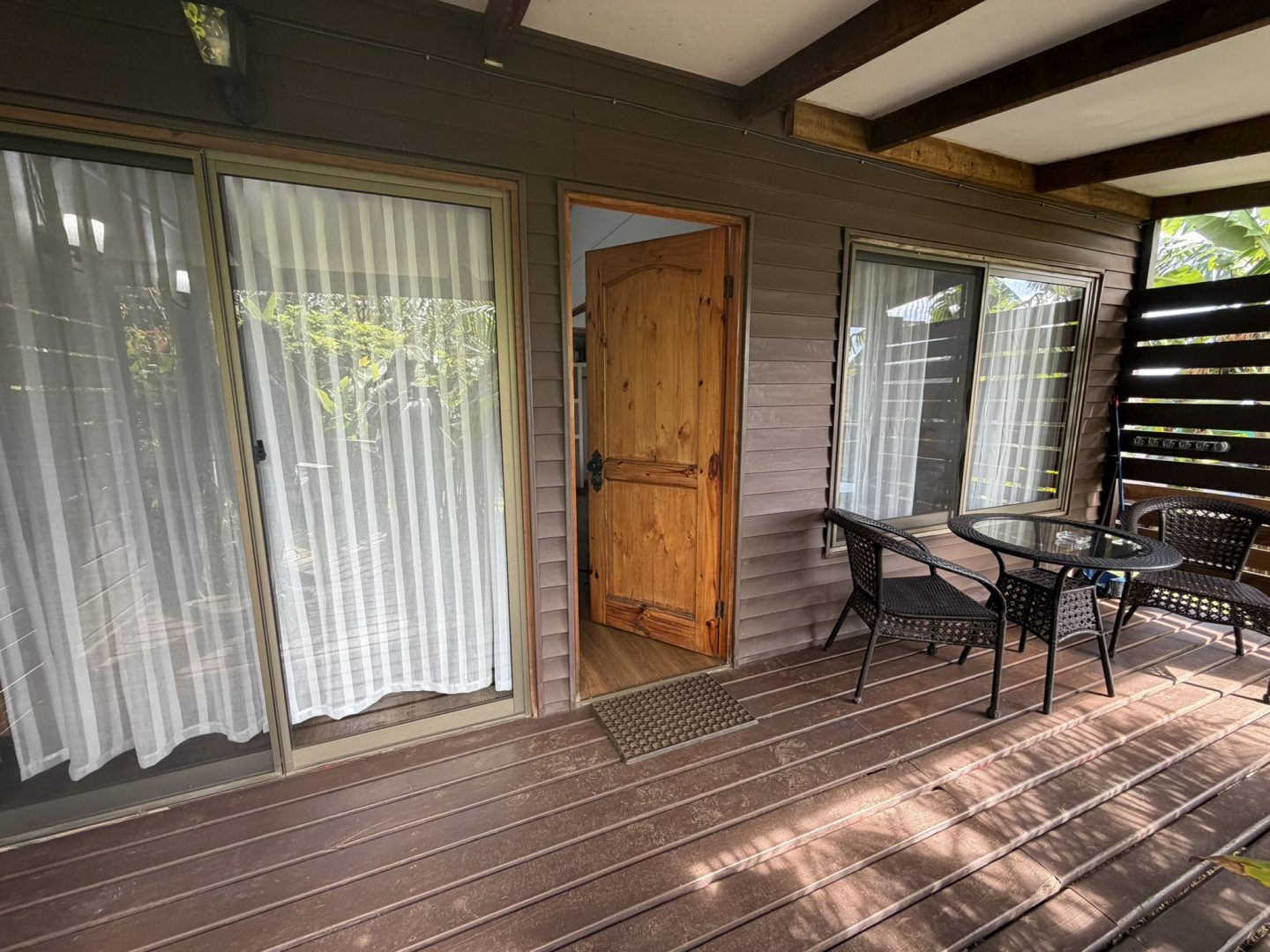
We paid around £110 per person for two nights at Cabañas Raupa in Hanga Roa. The location worked particularly well for such a short stay, since we could walk into town, tour operators knew the property for pickups, there was a shop next door and the cabin had the facilities to give us the option of eating in as well as going out.
You can read our full Cabañas Raupa review here.
Important things to know
One thing to be aware of is that you can’t simply turn up at Rapa Nui’s main archaeological sites and explore independently. You’ll need a National Park ticket, and visits must be with a guide accredited by Ma’u Henua.
The National Park ticket is separate from the cost of most tours, so factor that in when comparing prices. You can buy it online through the official Rapa Nui National Park website before you travel, or in person at the Ma’u Henua ticket office at the Rapa Nui Craft Fair in Hanga Roa.
Some sites have additional restrictions too; Rano Raraku and Orongo can only be visited once per ticket, while the other sites can be revisited during the ticket’s 10 day validity, provided you are accompanied by an accredited guide.
Before flying, make sure you have:
- your flights from Santiago
- accommodation that meets the current Rapa Nui entry requirements
- the Rapa Nui entry form and the documents you’ll need for the PDI check
- your Rapa Nui National Park ticket
- an accredited guide or organised tours for the archaeological sites you want to visit
For more of the practical things to know before you go, see our Easter Island Travel Tips: Things to Know Before Visiting Rapa Nui.
How much does Easter Island cost?
We spent approximately £904.40 per person for our two night trip, excluding souvenirs. Of that, £478 per person was our return flight from Santiago, with one checked bag and one cabin bag shared between the two of us, while our two nights at Cabañas Raupa cost £110 per person. The rest covered our National Park ticket, full and half day tours, food and drinks, taxis and a local show.
We’ve broken down exactly what we spent, including the costs of our tours, food, transport and National Park ticket, in How Much Does Easter Island Cost? Our 2 Night Rapa Nui Budget.
How many days do you need on Easter Island?
We spent two nights on Easter Island and, by making use of both our arrival and departure days as well as the full day in between, had enough time to see the main sights we wanted to see. It was a short stay, but we didn’t feel that we had missed the essential Rapa Nui experiences simply because we only stayed two nights. If you’d prefer a slower pace or want to add more activities beyond the main archaeological sites, three nights would give you more flexibility.
You can see exactly how we used our time in our 2 Days on Easter Island: Our Rapa Nui Itinerary.
Tours and getting around Easter Island
Because many of Rapa Nui’s main archaeological sites need to be visited with an accredited guide, tours are one of the easiest ways to organise your sightseeing. We booked our tours separately, paying £59.34 per person for a full day guided tour and £24.54 per person for a half day tour covering Rano Kau and Orongo. Booking them separately worked well with our flight times, as the half day tour started at 14:30 on the afternoon we arrived.
If you have two sightseeing days, it’s also worth looking at a two day Rapa Nui tour. Several people on our half day tour were doing exactly that, with Rano Kau and Orongo forming the first part of their two day programme. We had simply booked the two days separately because of our schedule.
Outside the archaeological sites, you don’t necessarily need a tour for everything. Hanga Roa is easy to explore on foot, and we used taxis when we needed transport elsewhere. Car hire is also available, although hiring a car doesn’t remove the guide requirements at the National Park sites.
Best things to do on Easter Island
Rapa Nui is politically Chile, but geographically and culturally Polynesia.
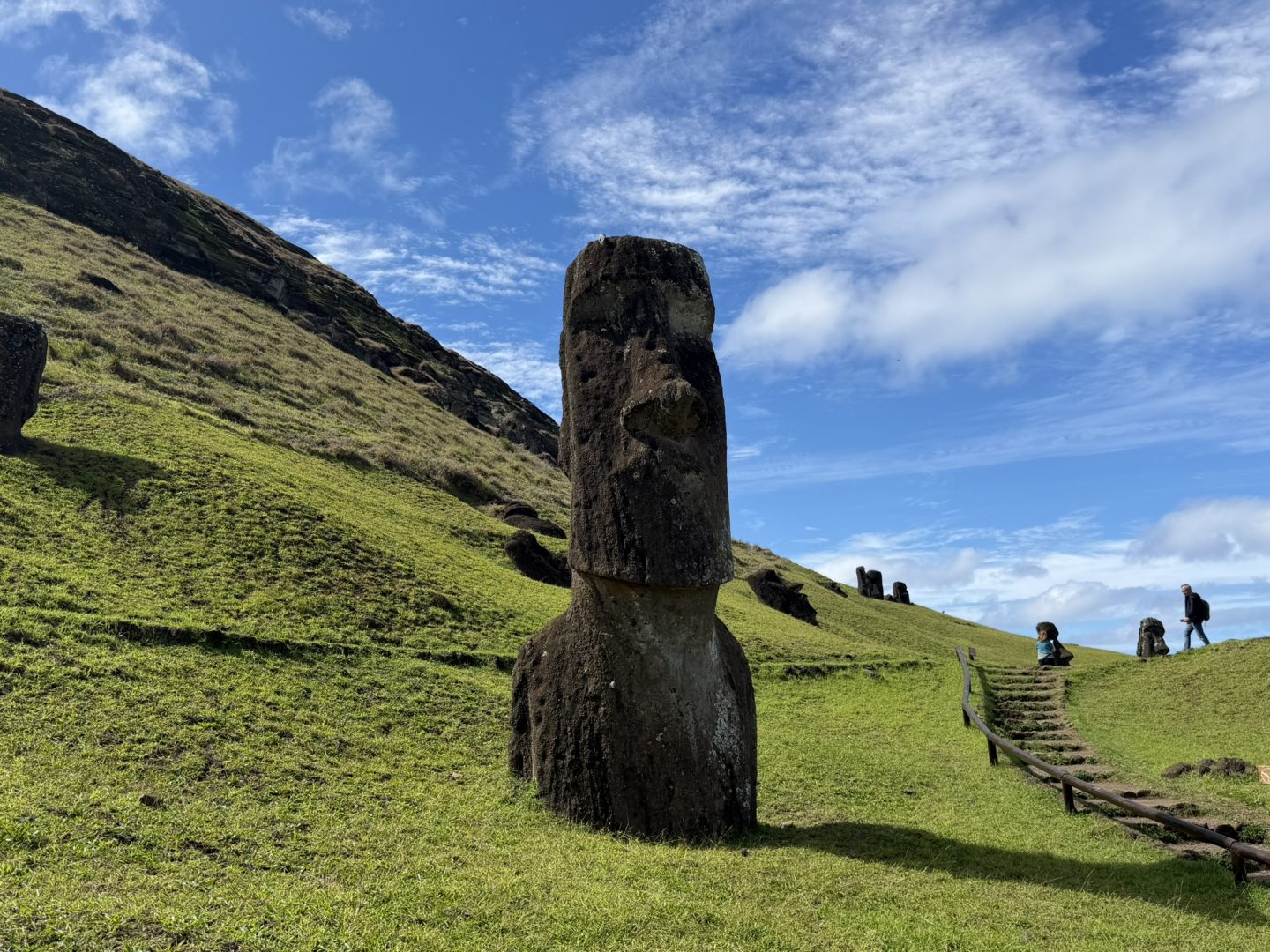
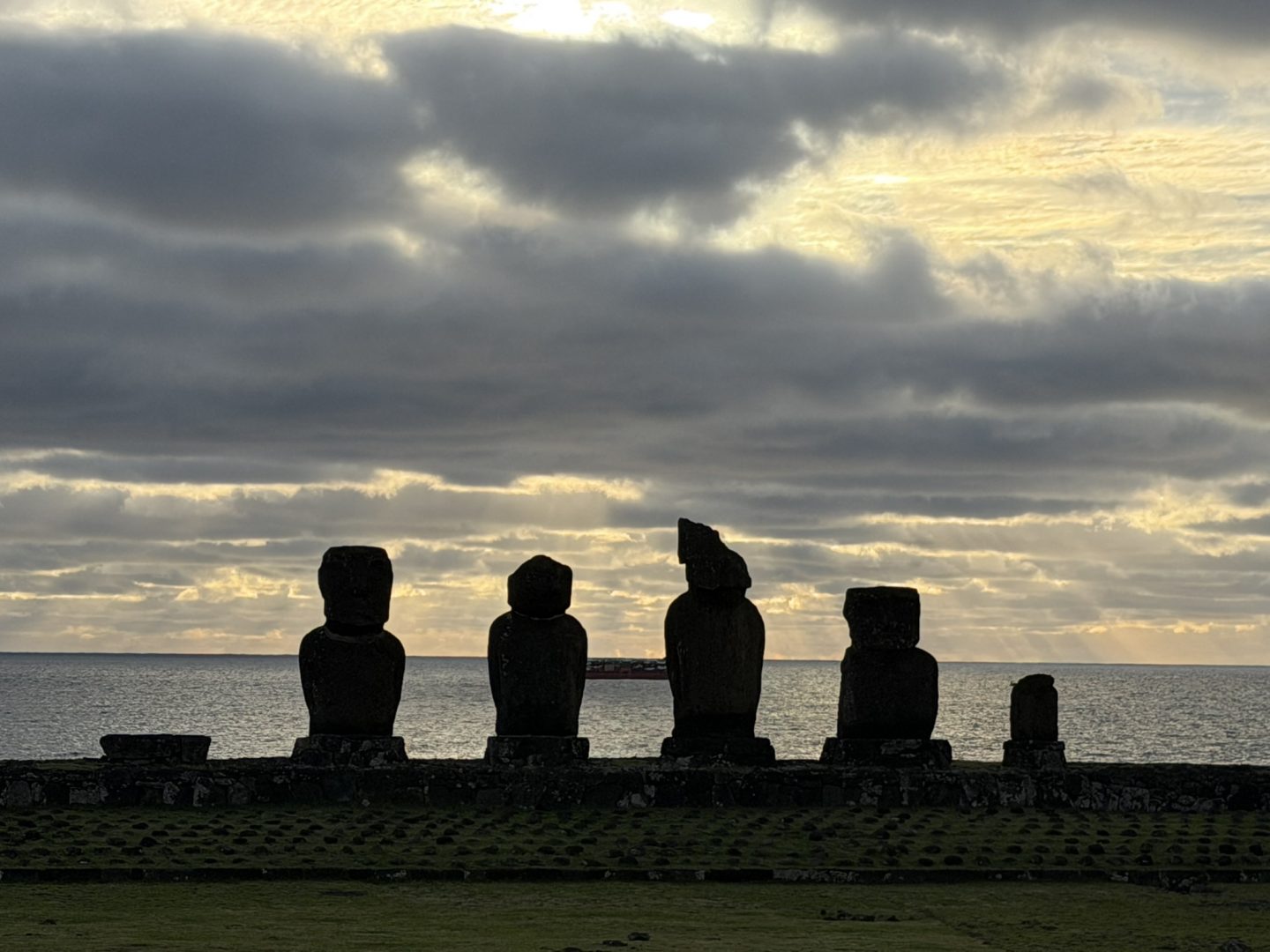
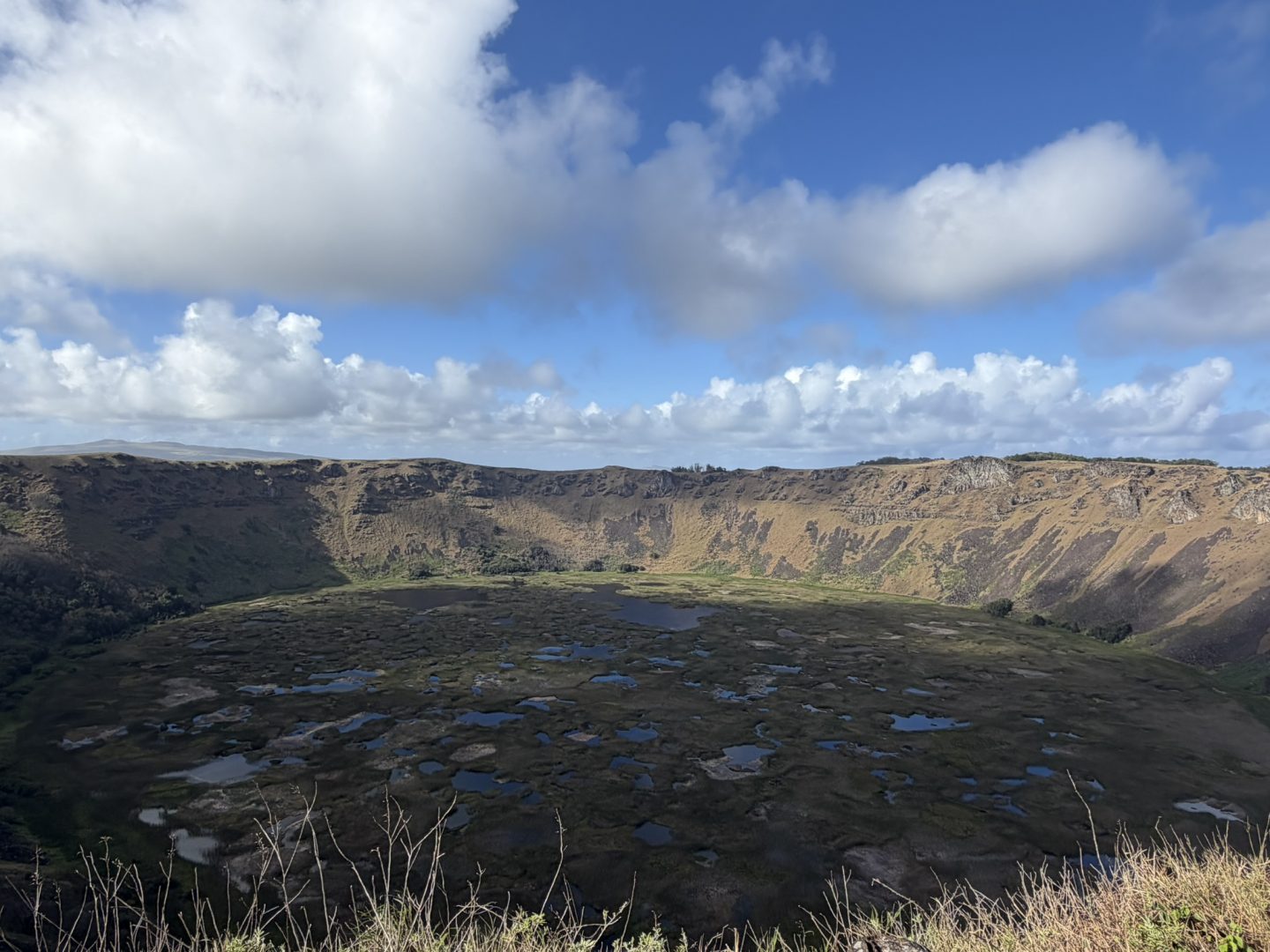
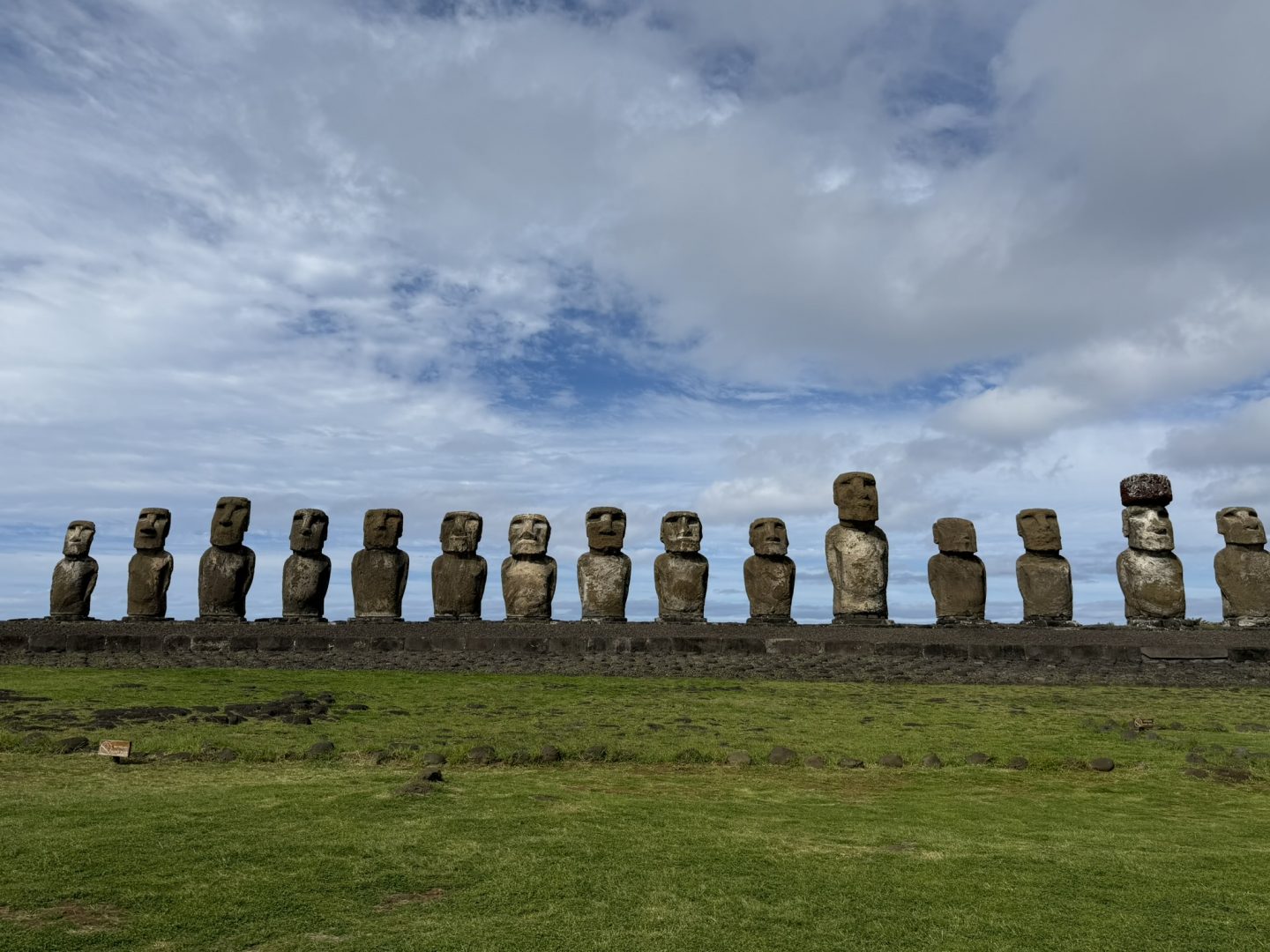
The moai are naturally the main reason many people travel to Rapa Nui, but seeing them in context is what makes the island particularly interesting. Rano Raraku, where the moai were carved, and Ahu Tongariki, with its line of 15 restored moai, are among the major archaeological sites, while Rano Kau and Orongo introduce a later part of Rapa Nui history through the volcanic landscape and Birdman tradition.
Beyond the main archaeological sites, there’s also Anakena Beach, caves, petroglyphs, coastal walks and activities on and around the water, giving you plenty to add if you’re staying longer. We’ve covered the main sights and experiences in more detail in our Things to Do on Easter Island: The Best Rapa Nui Experiences.
When is the best time to visit Easter Island?
Rapa Nui can be visited throughout the year, with a subtropical climate and relatively warm temperatures in every season. January to March are among the drier months, although rain is possible throughout the year.
Flight availability is also worth considering when choosing dates. With only one direct commercial route from Santiago and relatively limited services, the best time may depend just as much on the rest of your Chile itinerary and how much flexibility you have with flights.
February is when Tapati Rapa Nui takes place, the island’s major cultural festival. It’s a particularly interesting time to visit, but flights and accommodation can be in higher demand.
Money, cards and ATMs on Easter Island
The official currency on Rapa Nui is the Chilean peso (CLP). We used cards for much of our trip, but it’s worth carrying some cash too; our taxi from Mataveri Airport, for example, was paid in cash. There are ATMs in Hanga Roa, including BancoEstado and Santander, and cards are accepted by many hotels, restaurants, supermarkets and tour operators. Given how remote the island is, we’d still recommend arriving with some Chilean pesos.
Planning your trip to Rapa Nui
Rapa Nui takes a little more planning than most stops on a Chile itinerary, but we found that two nights was enough to see the main sights we wanted to see when our flights and tours were organised in advance. The key things are to secure your flights and accommodation, complete the additional entry requirements and understand the National Park and guide rules before you arrive. From there, you can decide how much time you want to spend exploring the archaeological sites and how much to leave for Hanga Roa, the coast and the rest of the island.

